




Introduction
Key points to keep in mind
Continuing with the description of the most requested areas, consider that practical choices often dictate feasibility: Taormina and Noto are frequent choices for receptions from 80 to 200 guests (example: a reception in Taormina for 120 people normally requires 12-18 months in advance), while elopements or micro-weddings on Etna or in nature reserves typically count 2-30 participants and can be organized with 2-6 months' notice. Also, you will notice that demand peaks between June and September; choosing May or October you can get better temperatures and location and catering rates 20-40% lower than the high season.
Also, evaluate the logistics: Taormina is about 50 km from Catania airport, Noto about 90 km, while Palermo is about 30-35 km from Falcone-Borsellino airport – these numbers influence transfers, shuttle costs, and overnight stays. Finally, be prepared for significant budget variations: medium-high level villas and farmhouses start from about €3,000-5,000 for the location up to over €15,000, while catering can range between €60 and €150 per person depending on the menu and services requested; you will therefore need to balance aesthetics, accessibility, and costs already in the early planning stages.
The most requested coastal areas
Among the most popular coastlines you will see a strong diversity: panoramic cliffs, protected bays, and long sandy beaches that satisfy different styles of ceremony. Indicatively, coastal locations handle weddings from 30 up to 300 guests; if you aim for an intimate reception many places offer packages for 20-60 guests with private services and sea transfers.
In logistical terms, always consider the most convenient airport – Catania for the Ionian side and Palermo for the western part – and transfer time (about 45-60 minutes from Catania to Taormina; around 60-80 minutes from Palermo to Cefalù). Also, the ideal months for you are May-June and September-October: they reduce costs and crowding compared to July/August, when prices rise by up to 20-40%.
Taormina and the Ionian Riviera
In Taormina you will find iconic locations such as terraces overlooking the Ancient Theatre, the bay of Isola Bella often used for photographs and small weddings by boat, and luxury hotels like Villa Sant’Andrea that offer complete packages. Many couples choose the sunset ceremony with 80-150 guests, taking advantage of the view of Etna; transport from Catania (≈50 km) is easy and local suppliers are used to managing shuttles and transfers in about 50 minutes.
Consider Etna DOC wines for the banquet and catering that enhance local products: farmhouses and wine shops on Etna like Tenuta delle Terre Nere often collaborate with wedding planners for tailor-made menus. Finally, if you plan a boat landing at Isola Bella check seasonal limits and municipal permits: for groups under 40 guests the solution is practical, beyond that more complex logistics are needed.
Cefalù, Castellammare del Golfo and western Sicily
Cefalù offers the perfect combination of historic center and beach: the Norman Cathedral (part of the UNESCO site “Palermo, Cefalù and Monreale”) creates unique photographic settings, while aristocratic palaces and villas on the seafront host receptions from 50 to 200 people. In Castellammare del Golfo and areas like Scopello you find tuna fisheries and restored farmhouses that allow exclusive services and sunsets over the Egadi Islands, reachable shortly from Trapani.
Consider the proximity to nature reserves – Zingaro Reserve and the coves of Scopello are often requested for photo sessions and outdoor aperitifs – and the fact that in the May-September period local suppliers increase rates: mid-season is ideal to contain costs while maintaining perfect climate and light. For civil ceremonies you can book the Cefalù town hall or opt for private locations with an external officiant if you prefer symbolic ones without strict bureaucratic constraints.
For practical planning, consider that local wedding planners offer turnkey packages with an indicative average price list of €1,500-5,000 for medium-sized events (excluding venues and catering); local caterers offer menus from about €60-120 per person depending on courses and open bar. Finally, organize transport for guests: between ferries to the islands, shuttles from airports (Palermo/Trapani) and limited parking in historic areas, anticipating logistics will save you time and last-minute costs.
Islands and archipelagos for exclusive weddings
Aeolian Islands: volcanic scenery and private villas
If you look at the Aeolians, you find settings that turn your reception into a unique photographic event: Stromboli with eruptions visible in the evening hours, Salina with Malvasia vineyards and Lipari with pumice coves. Many private villas and boutique hotels host weddings from 20 to 120 guests; for example, in Salina structures like Capofaro offer cellars and panoramic terraces for tastings and aperitifs, while in Stromboli you often organize evening receptions with support boats for photos offshore.
Demand precise planning: transfers by hydrofoil or charter boat require 1-3 hours from Milazzo or other bases, and you must book 6-12 months in advance in high season. Also, for fireworks, mooring or beach ceremonies you need the authorization of the Harbor Master's Office and often municipal permits; budget extra for logistics and security (boat rentals, tents, generators) which can account for 10-25% of the total event.
Egadi Islands and Pantelleria: intimacy and Mediterranean charm
In the Egadis choose Favignana, Levanzo or Marettimo for a more intimate setting: Favignana is reachable in about 20-40 minutes from Trapani by hydrofoil and offers locations like old tuna fisheries for dinners at sunset; Levanzo and Marettimo are perfect for receptions under the stars with 30-80 guests. Pantelleria, instead, offers restored dammusi, volcanic terraces and the famous “Specchio di Venere” for exclusive photo shoots, along with Zibibbo wines and local capers that can turn the menu into an authentic territorial experience.
Organize connections carefully: ferries to the Egadis are more frequent from May to September, while Pantelleria has direct flights from Palermo and Trapani in high season; for this reason it is advisable to block flights and boat places at least 4-8 months in advance. Finally, keep in mind the capacity limits of the dammusi (often 10-40 overnight places) and consider the mix of overnight stays between local structures and nearby islands to accommodate all your guests.
For more details, check municipal permits for civil ceremonies in non-institutional places and plan a site inspection with your wedding planner: this way you can precisely measure spaces, transfer times and setup costs (chair rental, lighting, generators), elements that on islands like Favignana or Pantelleria can represent 15-30% of the overall estimate.
Indoor and rural locations
In Sicily you will find a unique combination of elegant indoor spaces and rustic rural environments: historic villas with frescoed halls, stone courtyards and farmhouses surrounded by olive groves and vineyards. If you want to explore concrete examples and contacts for visits, consult Sicily, the most beautiful wedding locations in Italy, where proposals covering from the Ionian coast to the inland countryside are collected.
Also, schedule the visit 12-18 months before the date if you aim for the high season (May-October): many structures have limited availability and require early confirmations. Consider the need for indoor backup spaces in case of bad weather, acoustics for live music and municipal restrictions on hours and audio systems to avoid logistical surprises.
Farmhouses, agritourisms, and wine estates
If you choose a farmhouse or an agritourism, you can expect authentic atmospheres with stone courtyards, porticoes, and centuries-old olive trees; many wine estates offer tastings of Nero d’Avola, Etna DOC, or Catarratto as part of the experience. These locations are suitable for receptions from 50 to 250 guests, perfect for outdoor aperitifs and dinners under the stars, and often include spaces for the ceremony and panoramic photo sets among rows of vines and terraces.
Organizing here means leveraging local suppliers: chefs working with DOP products, artisanal bread and cheeses, and usually on-site accommodation options for varying numbers; always check the accommodation capacity (typically 10-50 places) and the availability of generators or adequate electrical systems for catering and scenic lighting.
Historic residences, castles, and noble palaces
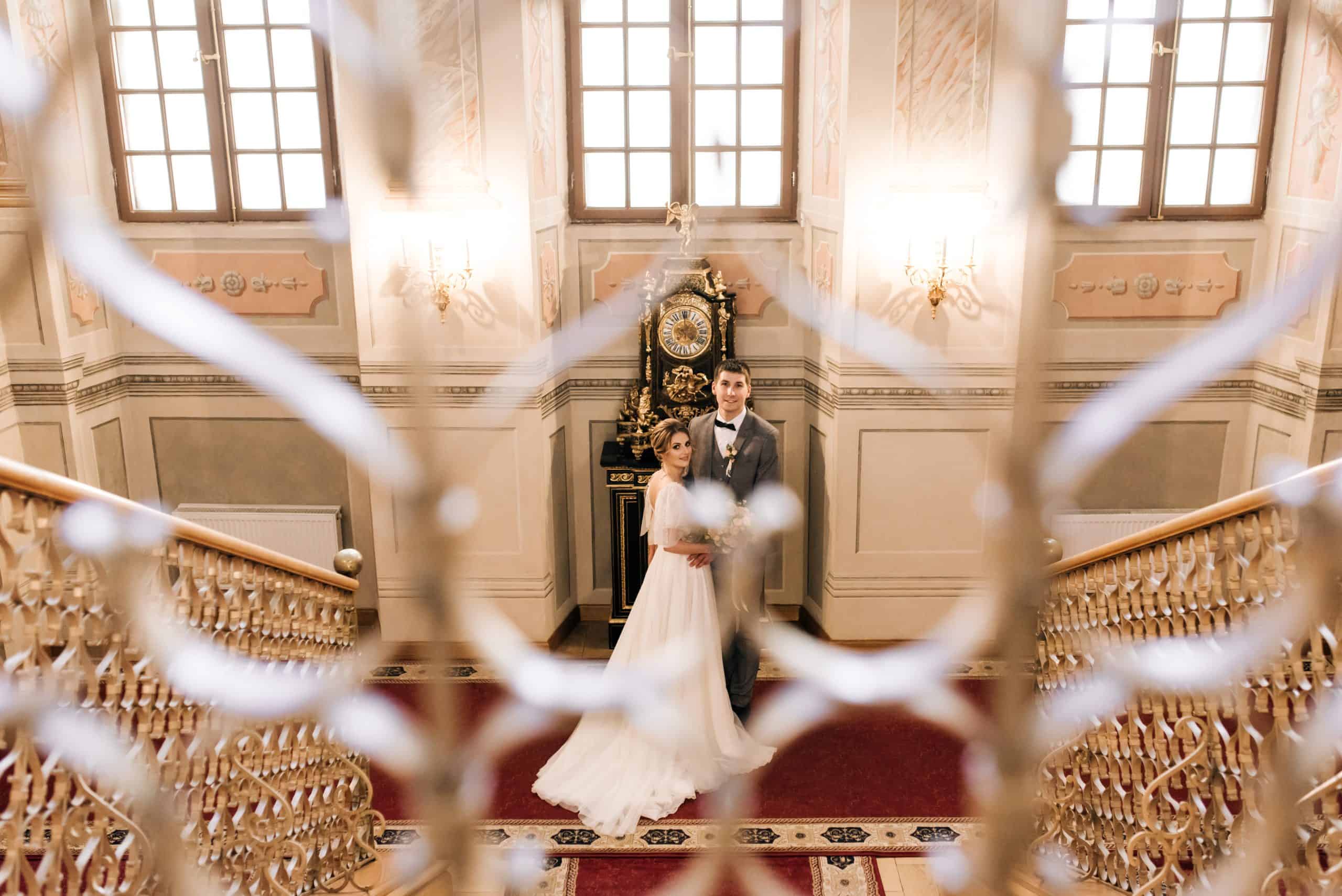
For a grand-style wedding, historic residences and noble palaces offer frescoed halls, monumental staircases, and courtyards with baroque architecture: typical examples are Palazzo Biscari in Catania, Castello Maniace in Syracuse, and the Donnafugata estate in the province of Ragusa. These locations work well for receptions from 40 up to 300 guests but require careful planning to comply with conservation constraints and municipal schedules.
Be prepared to manage permits with the superintendency, agree on limits regarding setups and materials (no nails or permanent fixtures on historic surfaces), and provide deposits for potential damages. Often the architectural charm comes with additional costs for security, special cleaning, and dedicated staff; for this reason, it is advisable to rely on a wedding planner with specific experience in cultural heritage.
Always request functional floor plans, fire safety certifications, and information on accessibility for elderly and people with reduced mobility; also check technical specifications for bands or DJs (available power, stage space) and schedule a site visit at the same time as the planned ceremony to assess light, guest flow, and best photo spots.
Types of ceremonies and recommended venues
Religious ceremonies: churches, cathedrals, and chapels
If you choose a religious ceremony, places like Palermo Cathedral, Monreale Cathedral, or Noto Cathedral offer stunning settings: you can expect spaces that accommodate from 300 up to over 1,000 people, frescoes, and artworks that make the rite unique. However, you must consider practical constraints: many churches impose restrictions on photography, flower decorations, and the use of petals or rice, require the parish priest's clearance, and set precise time slots for rehearsals and celebrations.
In organizational terms, bookings and coordination with the curia are essential; for highly requested locations like the Palatine Chapel or historic churches in Ortigia, it is recommended to block the date 6-12 months in advance. Also, if you plan a choir or an organist, check availability and fees in advance: in some cases, the liturgical service and the use of the instrument may involve additional costs and specific preparation times.
Civil and symbolic ceremonies: squares, terraces, and beaches
Squares like Piazza IX Aprile in Taormina, Piazza Duomo in Catania, or the Ortigia waterfront are highly sought-after civil settings; for you, this means public atmospheres with panoramic views and the possibility to host events from 50 up to 200 people, depending on the size of the square. You must request authorization from the Municipality: usually, 60-90 days are needed for procedures and permits, and you must comply with regulations on hours, amplification limits (often banned after 11:00 PM), and safety.
Beaches like Mondello, Cefalù, and San Vito Lo Capo are perfect for symbolic ceremonies at sunset but involve additional procedures: many stretches of coastline are subject to state concession and require authorization from the beach manager; typically count 30-60 days to obtain permits, plan for light structures and emergency plans for wind or bad weather, and limit setups on narrow sandy areas.
To optimize logistics and comfort, organize essential services in advance: book 3-4 local suppliers (catering, audio service, setups) and check parking or shuttles for at least 30-50% of your guests; check municipal ordinances on limits of people and times for the use of public spaces and prepare a covered plan B that can be activated within 48 hours in case of bad weather.
Logistics, seasonality, and services
You must plan times and suppliers as an integral part of the venue choice: for the most requested locations (Taormina, Ortigia, Noto) the ideal booking window is 12-18 months, while for agritourisms and small relais often 6-9 months suffice if you choose the low season. Consider that many local suppliers apply surcharges for travel and overnight stays: expect an additional 5-12% on the cost of suppliers coming from outside the province.
It is also advisable to account for municipal permits, electrical connections and generators, extras for scenic lighting and post-event cleaning; municipal permits for ceremonies in historic areas or on the waterfront typically range between €150 and €600 depending on the Municipality. To control costs, use a local wedding planner who can negotiate room blocks and rates: on average, their fee is between 5% and 15% of the total budget, but often they save you unpleasant logistical surprises.
Best periods, climate, and seasonal planning
For outdoor ceremonies, the best periods are May-June and September-October: average temperatures range from 20° to 28°C, reduced rainfall, and favorable light for sunset photos. Avoid the central weeks of July and August if you aim for an afternoon-evening outdoor reception, as temperatures can reach 30-35°C and humidity complicates guests' attire and comfort.
Consider this for the event schedule: in June-July plan the ceremony between 5:00 PM and 7:00 PM to take advantage of golden light and sea breeze; in September, anticipate slightly to avoid sunsets too close together (around 7:00-7:30 PM). If you choose the low season (November-March) you save up to 20-30% on venues and suppliers, but you will need to consider indoor alternatives and check reduced availability of tourist services.
Transport, guest accommodation, and local permits
The main airports are Catania (CTA) and Palermo (PMO), with direct connections from most of Europe; Comiso (CIY) and Trapani (TPS) serve regional routes. The smaller islands require ferries or hydrofoils from Milazzo, Trapani, and Porto Empedocle: for example, Milazzo-Lipari takes about 30-50 minutes depending on the vessel. Calculate group transfers: a 20-seat coach costs on average €250-400 for a 1-1.5 hour trip, while private shuttles with 8 seats start from €80-150.
For local travel, consider winding roads and ZTL zones in historic centers (Ortigia, Noto, Taormina): you must request access permits for suppliers and buses from the Municipality, often with a minimum 30-day notice. Book car rentals or bus services 6-9 months in advance to guarantee availability and better rates; alternatively, organize pick-up points outside ZTLs and short shuttles for guests.
Operational checklist: book airport-location and return transfers, block rooms (recommend 9-12 months in high season) and negotiate release clauses and penalties (e.g., 30% release 60 days before); contact the Municipality for ZTL and beach use permits at least 60 days in advance; confirm ferry and flight times for guests with staggered arrivals and allow at least 60-90 extra minutes for travel on mountain routes or during local events causing detours.
Local suppliers and practical budget aspects
To manage the budget effectively, request at least 3 detailed quotes for each item (catering, florist, music, photography) and always check for VAT (22%), service charges, and any extra fees for overtime or transportation: typical deposits range between 20% and 40% and cancellation penalties must be clear in the contract. You must obtain an itemized list (number of guests, menu with courses and wines, hours of music, number of photographers) and set payment deadlines that do not risk liquidity; also plan for an extra 5-10% margin on the total estimated for unforeseen expenses.
Considering seasons and areas, evaluate local suppliers to reduce logistical costs: bringing a team from the mainland can increase the estimate by 20-30% for transfers and accommodation. You can also negotiate “all-inclusive” packages at farmhouses and historic residences that often offer discounts on catering, furnishings, and ceremony coordination if you book the location and services together.
Catering, florists, music, and photography in Sicily
For catering, choosing local products makes a difference: menus based on fresh fish in coastal locations like Taormina or Ortigia typically cost €80-€160 per person, while in inland areas like Ragusa or Agrigento you can find quality options at €60-€110. You should always ask if the price includes crockery, table setting, and staff service; otherwise, renting tablecloths and crockery can add €5-€15 per cover.
For flowers and arrangements, centerpieces in Sicily range from €30 to €120 each depending on the season and complexity; if you book 4-6 months in advance you often get better prices. For music, a local DJ starts from €400-€1,200, a live band from €1,200-€3,500; professional photography ranges from €1,200 for half a day up to €3,500-€4,500 for full coverage with albums and video, so you should set priorities (photo moments vs cinematic video) to allocate the budget correctly.
Cost estimates by area and tips to optimize the budget
Tourist areas like Taormina, the Aeolian Islands, and Ortigia have the highest costs: expect catering €80-€160 per person and additional logistical costs (ferries, transfers) from €500 to over €3,000; conversely, areas like Ragusa, Noto, and the Valley of the Temples offer excellent value with catering €60-€120 per person and competitive local suppliers. You can significantly reduce expenses by choosing the low season (October-April), a weekday, or a menu based on seasonal and “zero km” ingredients.
To optimize the budget, negotiate complete packages (location + catering + coordination) that often include discounts, limit open bar hours or choose pay-as-you-go formulas, and prefer suppliers offering all-in: this can lower the cost per guest by 10-25%. Always request clear clauses on overtime, transfers, and minimum/maximum guest numbers to avoid last-minute increases.
A practical example: a couple in Noto with 120 guests reduced the budget by 20% (about €6,000 on a €30,000 budget) by choosing a seasonal menu, a local musician instead of an imported band, and agreeing with the farmhouse on a package that included ceremony and reception, thus eliminating additional transport and duplicate setup costs.
Weddings in Sicily - The Most Popular Areas for Ceremonies
The most requested destinations in Sicily for ceremonies are Taormina and the Ionian Riviera for breathtaking views, Syracuse and Noto for refined baroque, Ragusa Ibla and Modica for historic atmospheres, the Valley of the Temples in Agrigento for archaeological settings, the slopes of Etna for vineyards and volcanic thrills, and the Aeolian Islands for exclusivity and crystal-clear sea; Palermo, Cefalù, and the Trapani coast also remain favored choices for accessibility and accommodation offerings. These areas stand out for their ability to combine scenic beauty, unique locations, and experienced local suppliers, elements that directly influence your and your guests’ experience.
To successfully organize your wedding in Sicily, you need to consider the season, logistics, accommodation availability, and local regulations: the choice of period affects costs and climate, while the distance of suppliers and transportation influences comfort and timing. It is advisable to rely on a local wedding planner, book venues and catering well in advance, conduct site visits and tastings, and plan alternative solutions in case of unforeseen events; this way you will protect your investment and ensure a smooth and memorable event for you and your guests. Furthermore, Sicily offers a wide range of romantic wedding venues in Sicily, from historic noble villas to panoramic farmhouses overlooking the sea. These breathtaking settings can become the perfect backdrop for a special day, further enriching the experience of your guests. Don’t forget to also consider local traditions, which can give a unique and personal touch to your wedding, making it even more unforgettable.
