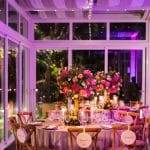


Discover where to celebrate your wedding in Sicily: from the coast of Taormina and the Aeolian Islands to the farms of Mount Etna, from the Baroque of the Val di Noto to the beaches of Agrigento. I will provide you with information on logistics, seasonality and local services, so that you can choose the area that best enhances your event with serenity and style.
Ideal locations for weddings in Sicily
To define the right location, you need to consider style, number of guests, and logistics: along the coast you will find seaside terraces and resorts with capacities from 50 to over 300 guests, while in the Baroque areas (Noto, Ragusa, Modica) period villas and palaces suitable for events from 50 to 150 people prevail. On average, the rental of a historic villa starts from around €3,000 in low season up to €15,000 in high season; 'all inclusive' packages in luxury resorts can go as low as €120-€450 per person, including catering, room block and on-site coordination. Book 12-18 months in advance for May-September and consider the need for municipal permits for outdoor civil ceremonies (typical municipal fees €200-€600, variable).
You also need to consider essential services: parking and airport transfers (Catania 50-90 minutes to Taormina, Palermo 60-90 minutes to Cefalù), accommodation options for guests and plan B for bad weather. Many venues require approved suppliers for conservation reasons; if you want complete freedom, consider facilities that allow outside caterers or offer spaces equipped with kitchens and lighting and sound technicians without strict time limits.
Historical Villas
If you choose a historic villa, you will find frescoed halls, stone courtyards and centuries-old gardens that provide scenery without the need for large decorations; many villas in the Val di Noto and on the east coast date back to the 18th-19th centuries and can host banquets for 50 to 250 guests. Expect conservation constraints on decorations and temporary structures: original staircases and terracotta floors require attention, so plan light fittings and experienced suppliers in historical locations.
Consider practical aspects such as accessibility for guests with reduced mobility, electrical capacity for lighting and DJs, and parking: many villas have limited space and require shuttles from the city centre. Book at least 12-24 months in advance for the most popular villas (e.g. baroque palaces in Noto or aristocratic residences near Ragusa) and always request an evening inspection to assess lighting and acoustics.
Luxury Resorts and Hotels
Luxury resorts concentrated in Taormina, Cefalù and the south-west coast offer turnkey solutions: air-conditioned ballrooms for 200-400 people, private terraces for the symbolic ceremony or sunset dinner and in-house teams for wedding planning, spas and starred chefs. Facilities such as those of international chains or charming relais may include packages with room block discounts (typically 10-30%), dedicated airport transfers and additional services such as private beach club or yacht charter for photo shoots.
You can take advantage of in-house coordinators who manage licences, music and security schedules: this reduces the organisational burden and often results in faster confirmation times than in private venues. Resorts tend to propose menus with a strong territorial accent (e.g. fresh fish, citrus fruits and local cheeses) and offer pre-event tastings with sommeliers to match Sicilian wines such as Nero d'Avola, Etna Rosso and Cerasuolo di Vittoria.
To optimise budget and experience, consider low season dates (October-April) when you can save up to 30% on the package; also check the possibility of extra services such as helicopter transfers or extended reception hours: some high-end venues offer customised solutions to accommodate international guests and manage logistics, entertainment and hospitality entirely without you having to coordinate external suppliers. You should request a detailed quote with costs per service, city taxes and possible night surcharges before signing the contract.
Beach Ceremonies
On the Sicilian coast, you can choose between symbolic ceremonies, blessings and, in some municipalities that authorise it, open-air civil celebrations: Taormina and Palermo, for example, often give the go-ahead subject to municipal authorisation. If you opt for the beach, consider microclimate and logistics - wind, tides and accessibility influence the installation of walkways, seating and sound systems; for a reception with 80-120 guests, plan at least 4-6 service points (set-up, catering, sound, cleaning, security and coordination).
For practical organisation it is best to book 6-12 months in advance in the high season months (June-September), obtain permits from the state property office or the municipality and provide a covered Plan B. Also, consider additional costs: sand-friendly set-ups, generators and portable toilets can bring extra expenses that, depending on complexity, typically range between €1,500 and €6,000 for an average-sized event.
Most Popular Beaches
Taormina (Isola Bella and Mazzarò) remains a favourite for the scenic backdrop of Isola Bella and proximity to tourist facilities; the area is ideal if you want sunset photos with the profile of Mount Etna behind you. San Vito lo Capo is famous for its white sand and turquoise sea and works well for weddings with 50-200 guests thanks to well-equipped lidos offering complete packages.
On the other hand, choosing Scala dei Turchi will give you a dramatic backdrop of white cliffs, but remember the environmental and event restrictions; Mondello and Cefalù provide accessibility from Palermo and guest services, while Marina di Ragusa has become a hub for beach receptions with facilities for up to 200-250 people.
Advantages of a Beach Ceremony
You can take advantage of natural settings that reduce the need for elaborate decorations: the sea, sand and sunset already provide an unrivalled photographic backdrop. Moreover, the informal atmosphere often encourages more spontaneous interactions between guests and a less rigid pace of the reception than in historic villas.
In practical terms, the beach offers flexibility in timing and set-up; many wedding planners recommend the time slot between 6pm and 8.30pm to take advantage of the golden hour (depending on the month) and achieve high-impact images. At the same time, the sound of the waves can act as a natural soundtrack, reducing the need for a powerful sound system for the more intimate parts of the ceremony.
To maximise the benefits be sure to work with experienced outdoor event suppliers: ask for a wind assessment, solutions for sand seating, weights for arches and decorations, and check municipal regulations; finally, schedule post-event clean-up to respect the environment and facilitate obtaining permits.
Sicilian Traditional Feasts
Cultural and Folkloric Elements
At the heart of local festivals are marching bands, processions with simulacra, decorated Sicilian carts and representations of puppet opera that immediately set the scenic tone for your event. For example, the Sant'Agata Festival in Catania (early February) involves hundreds of thousands of people and the Festino di Santa Rosalia in Palermo (July) offers historical processions and fireworks that can become a memorable backdrop for wedding photos. You can have a local band parade at the end of the ceremony, include a small puppet show as evening entertainment, or set up a corner with traditional costumes for themed photo shoots.
Also consider the practical impact on your reception: choosing a date that coincides with a big party gives authenticity but requires advance bookings (recommend 6-12 months) and traffic and accommodation management. In many cities, main roads are closed and municipal services focus on the event, so coordinating your logistics plan with the municipality and local suppliers is essential to avoid surprises.
Sicilian Cuisine to Celebrate
Wedding cuisine in Sicily is based on territorial recipes: 5-8 course menus include seafood starters (octopus salads, panelle, arancini), first courses such as pasta alla Norma or busiate al pesto from Trapani and couscous in Trapani, and main courses ranging from barbecued swordfish to inland meat dishes. For dessert, cannoli and cassata are a must; you can pair local wines such as Nero d'Avola, Etna Rosso, Etna Bianco and Marsala for dessert, creating clear and recognisable regional pairings for your guests.
From an operational point of view, seasonality strongly influences the menu: citrus fruits and winter aromas in autumn/winter ceremonies, freshly caught fish and summer fruit for seaside weddings. Local caterers often offer table-service or buffet-station formulas; for 100 guests it is common to provide a mix with 4-6 starters, 2 first courses, 2 main courses and an assortment of desserts, adapting the percentage of seafood dishes to the context (usually 30-50% if you are on the coast).
For a practical choice: plan at least 2-3 tastings with the caterers 3-6 months in advance, consider including street food stations (arancini, panelle, sfincione) to give rhythm to the party and keep costs down; wedding menus in Sicilian locations typically range from around €60 to over €150 per person depending on the ingredients, wines and arrangements chosen, so always clearly agree on the number of courses, service formulas and wines included in the price.
The Seasonality of Weddings in Sicily
When planning your wedding in Sicily, you need to consider not only the climate but also the influx of tourists and seasonal costs: May-June and September-October offer long days, average temperatures between 20-28 °C and a warm sea, reducing the risk of rain cancellations compared to winter, while July-August can easily reach above 30-34 °C with humidity peaks and venue and accommodation rates often doubling. In addition, you have to take into account average rainy days: from November to February, monthly rainfall increases (8-10 rainy days per month), which may require indoor backups or suitable marquees.
In practical terms, book venues and suppliers 12-18 months in advance if you are aiming for May, June or September; in low season (November-March) you can find availability at 6-9 months and lower prices, but you will have to prepare alternative plans for bad weather and inform guests about cooler temperatures (10-15 °C in winter). Finally, consider the time of the ceremony: choosing late afternoon in summer avoids the midday heat and gives better light for photographs.
Favourable Periods
If you prefer comfortable temperatures and blooming landscapes, May and the first half of June are ideal: temperatures average around 20-24 °C, vegetation is lush and costs are not yet at the level of August. Similarly, the second half of September and October present warm but drier weather (averages 24-28 °C) and seas that are still swimmable; these months often combine more reasonable rates for hotels and services than August and fewer tourists in places like Taormina, Noto and the Valley of the Temples.
Avoid, unless consciously chosen, the central weeks of August (Ferragosto) when demand pushes prices up and logistics become more complex: expect accommodation rates up to 50-100% higher and parking and traffic problems in coastal areas. If you want a winter wedding, plan indoors and take advantage of local festivals for an authentic atmosphere and lower costs, bearing in mind that many wine venues are busy during the grape harvest (September-October).
Local Events and Parties
You need to check the calendar of patronal festivals and major events because they can affect availability and logistics: for example, the Feast of Sant'Agata in Catania (3-5 February) attracts hundreds of thousands of people, causing road closures and travel difficulties; similarly, the Feast of Santa Rosalia in Palermo (14-15 July) and the Carnival of Acireale (February) lead to peaks in arrivals and higher prices for hotels and suppliers. Consult municipal calendars and book permits and suppliers taking into account the dates of processions and fireworks.
In addition, cultural events such as the Taormina Film Fest (end of June) or the Infiorata di Noto (mid-May) can both facilitate and complicate your event: they often increase the availability of quality services, but also increase the demand for accommodation and trucks for suppliers. If you decide to coincide with a festival, plan ceremony times to avoid overlapping with processions and provide alternative routes for guests and catering trucks.
For example, if you are considering Catania for your reception, bear in mind that Sant'Agata implies not only crowds but also restrictions on municipal authorisations and temporary bans on the use of public spaces; alternatively, planning your wedding in the days immediately following the festivities can give you the same festive atmosphere without the major logistical complications.
Costs and Budget for Weddings
When planning your budget you have to keep in mind that the location and catering often account for 60-70% of the total expenditure; therefore, controlling these two elements gives you the greatest saving power. In Sicily, price lists vary widely: a villa or relais in Taormina can start from €8,000-€20,000 for a weekend, while in Ortigia or the baroque palaces of Syracuse you can find solutions between €5,000 and €12,000; inland estates and castles fluctuate between €6,000 and €15,000; farmhouses and masserie offer cheaper packages, often between €1,500 and €5,000. Catering has a significant impact: on average €50-€120 per person for a full service, with buffet or finger food alternatives reducing this to €30-€60 per person.
Average Prices per Location
In practice, if you choose a prestigious coastal location such as a panoramic villa in Taormina, consider a base fee of €10,000 plus compulsory services (set-up, security, cleaning) that can add €1,000-€3,000; many facilities instead include a 'location+catering' package that is priced per person and often requires a minimum number of guests (e.g. 80-120). If you prefer a historical palace in Ortigia, the average costs are slightly lower but often involve logistical limitations (time and noise) with possible penalties, while an agritourism around Noto or Ragusa can offer you a location, catering and accommodation for all-inclusive packages of between €2,000 and €6,000 for medium-sized events.
Remember that seasonality has an impact: in the peak months (June-September) prices can rise by 15-40% compared to the low season; choosing a midweek day or a month like November/February often guarantees discounts of 20-30% on location rental alone.
Tips for Reducing Costs
Moving the date to an off-season or opting for a Friday or Monday can reduce the cost of the venue by 20-30%; similarly, reducing the number of guests remains the most effective criterion: cutting the number of guests from 150 to 100 can cut the cost of catering by tens of euros per person, translating into real savings. You can choose a buffet or a reduced-course menu to pay on average €30-€50 per person instead of €80-€120, and prefer local and seasonal products to save up to 30% on food & beverage.
Other practical levers include negotiating closed packages (e.g. location + catering + set-up) to obtain discounts, requesting the possibility to bring your own wines to cut down on drink costs (typical savings €10-€25 per person), and limiting furniture hire by choosing venues that already have distinctive decorative elements. Choosing local suppliers reduces transport and surcharges, while using digital invitations and rentable decorations cuts printing and set-up costs.
Practical example: for 100 guests, a mid-range budget might consist of venue €6,000, catering €7,500 (€75/guest), photographer €1,800, flowers €1,200, music €800 and extras €700 - total ≈ €17,000. Applying the indicated savings measures (farmhouse €2,500, buffet €40/guest → €4,000, photographer €1,500, flowers €600, DJ €400, extras €500) the total comes down to ≈ €9,500, i.e. a reduction of around 44% that you can reinvest in details that really matter to you (professional photography, honeymoon, menu upgrades for a few selected dishes).
Weddings in Sicily - The Most Popular Areas for Ceremonies
When planning your wedding in Sicily, you will find that the most sought-after areas each offer distinct characteristics: Taormina and the Ionian coast for breathtaking views and luxury venues, Syracuse and Noto for baroque and elegant ceremonies, Ragusa Ibla, Modica and Scicli for intimate atmospheres in historic centres, the Aeolian Islands for an exclusive event on the water, and the province of Trapani (Marsala, San Vito Lo Capo) for beaches and unforgettable sunsets. The Valley of the Temples in Agrigento and the wine villas of Mount Etna offer archaeological settings and rural landscapes that are ideal if you are looking for a scenic yet authentic wedding; Palermo and Cefalù combine accessibility with artistic heritage for guests who appreciate history and urban amenities.
To choose the right area, assess the style you want, the seasonality, the ease of arrival for your guests and the availability of local accommodation and suppliers; book well in advance and plan inspections to check logistics, civil or religious permits and catering options. Rely on a local wedding planner if you want to optimise time and contracts: this will allow you to turn your choice of location into a concrete advantage for the success of your day.