




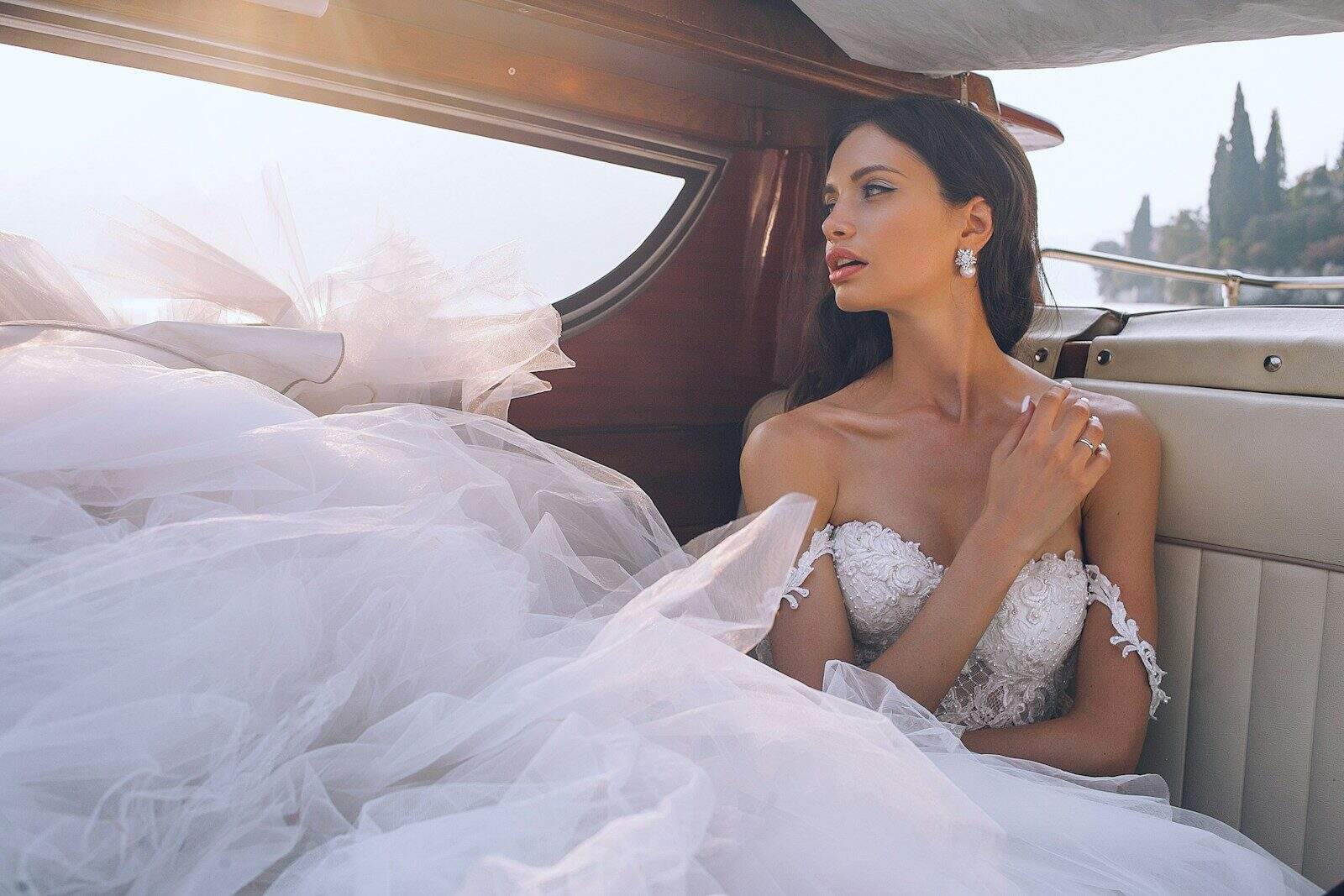
Best time to get married in Italy: how to choose the right date
Establish what is the best time to get married in Italy doesn’t mean finding “the perfect month” that works for everyone, but identifying the most suitable combination of weather, light, event style, availability of venues and suppliers and, above all, the rhythm of your life. Some dream of an outdoor wedding with a golden sunset, some prefer the intimacy of a winter ceremony, some have to fit in vacations and returns from abroad. The good news: in Italy every season can become scenic, if planned thoughtfully.
In this guide you’ll find a practical path: advantages and considerations for each period, tips for North/Central/Southern Italy and the islands, style ideas, and a checklist to decide with peace of mind. If you want to explore the step-by-step planning, you can also read the complete wedding planning guide.
Spring (March–May): blooms, soft light and a romantic atmosphere
Spring is often associated with the idea of a fresh, bright and naturalwedding
. The days get longer, landscapes change week by week, and the air invites you to think of garden ceremonies, terrace aperitifs, rich but not “heavy” floral setups.
- Why choose spring Colors and blooms
- that make the setup immediately come alive, even with essential choices. Photographic light
- often soft, ideal for portraits and reportage.
Generally pleasant climate for dynamic events, with alternating indoor/outdoor moments.
Considerations to keep in mind plan B Spring can be changeable: in some areas the weather shifts quickly and evenings can feel cool. It’s worth planning a
consistent with the style (not an improvised “emergency solution”) and taking care of guests’ comfort with sheltered areas, decorative blankets, or a warmer welcome in indoor spaces. If you’re defining the concept, you may find useful the article on wedding color palettes
to choose tones that work with spring light and the season’s greenery.
Summer (June–August): long evenings, outdoor and big parties dinners under the stars, receptions that stretch on unhurriedly and venues that shine at their best among gardens, courtyards, masserie, terraces and beaches. It’s also the time of year when many people find it easier to travel, especially if there are guests coming from far away.
The strengths of summer
- Very long days: more time for the ceremony, photos, aperitif and party without rushing.
- Outdoor star: table settings and décor can breathe, the celebration moves through multiple spaces.
- A convivial atmosphere, perfect for destination weddings and weekend weddings.
How to manage heat and intense light
In many Italian areas, especially in Central-Southern Italy and on the islands, the heat can be significant. The solution isn’t to “give up”, but to plan: a ceremony at a cooler time, shaded areas, hydration always available, and an event pace that guides guests without tiring them. The choice of materials (fabrics, furnishings, flowers) can also make a difference: for specific details, check the product sheet about the materials or accessories you’re considering.
If you’re thinking of an evening event with a Mediterranean atmosphere, you can find inspiration in ideas for an elegant summer wedding.
Autumn (September–November): warm colors, harvest season and a sophisticated mood
Autumn is often considered a “well-kept secret” for those who want a wedding with character: more golden light, intense colors, seasonal scents and a sense of intimacy that makes everything feel more close-knit. September and October, in particular, can offer a very pleasant balance between weather and atmosphere.
Why autumn wins people over
- Natural palettes (coppery tones, burgundy, forest green, ivory) that add depth to the design.
- Perfect settings for venues among vineyards, hills, villages and historic residences.
- An elegant, “editorial” mood, ideal for those who love refined details and not-too-summery vibes.
What to plan extra
The days get shorter: this can be an advantage for those who want an evening party that’s quicker to “ignite”, but it requires attention to the photo timeline and outdoor moments. In some regions rainfall increases: a Plan B as beautiful as Plan A becomes central again, with thoughtfully designed lighting and indoor spaces that don’t feel like a fallback.
For a cohesive project, it can help you the checklist for setting up the reception, useful for not forgetting the details that change with the season.
Winter (December–February): intimacy, atmospheric lighting, and timeless style
A winter wedding is the choice for those who want an event enveloping, with warm lights, intimate atmospheres, and an elegance that doesn’t need to “shout”. It’s perfect for those who love rooms with fireplaces, historic residences, boutique hotels, or mountain settings with a more contemporary aesthetic.
Advantages of a winter wedding
- Atmosphere: candles, soft lighting, rich fabrics, and dramatic details work naturally.
- A more intimate event, often with greater attention to conviviality at the table and shared moments.
- The possibility of creating a “festive” yet refined concept, without excess.
Comfort and logistics: aspects not to underestimate
In winter, comfort is the priority: well-managed spaces, simple routes, an organized cloakroom, and direction that avoids dead time outdoors. The choice of dress code can also be communicated tactfully, suggesting outerwear and suitable shoes. If you’re preparing invitations and communications, you can take inspiration from how to write an effective save the date.
North, Central, South and islands: how the best time to get married changes
Saying “Italy” is like saying “a miniature continent”: the same date can feel cool in the North and like full summer in the South. For this reason, beyond the season, it’s useful to think by geographic area and by type of location.
Wedding in Northern Italy: watch out for the shoulder seasons
In many areas of the North, spring can be wonderful but unpredictable, while autumn often offers extraordinary colors. If you dream of a reception in a villa or in the countryside, consider bright indoor spaces and a plan B that maintains the event’s identity.
Wedding in Central Italy: balance between light, landscapes, and pace
Central Italy offers an interesting balance: hills, villages, art cities, and countryside that work in multiple periods of the year. Summer and early autumn are ideal for those who want to enjoy the outdoors, but spring can also be perfect for a romantic, natural wedding.
Wedding in the South and on the islands: make the most of the shoulder season
In the South and on the islands, the “shoulders” (late spring and early autumn) often become a very strategic option: pleasant weather, wonderful light, and a vacation feeling without the intensity of peak heat. If the event is by the sea, think about wind and humidity: for technical choices (fabrics, structures, accessories), check the product sheet.
The best month to get married: pros and cons month by month (in a practical way)
More than a ranking, here you’ll find a “planner-style” read: what to expect and what type of wedding tends to work best.
- March: ideal for those who love the idea of a “fresh start” and an intimate event; flexibility is needed for weather and evening temperatures.
- April: beautiful light and nature in motion; great for daytime ceremonies and a romantic mood.
- May: one of the most versatile months; perfect for gardens and elegant receptions with lots of greenery.
- June: balance between weather and long days; great for evening and outdoor weddings.
- July: great energy and a festive atmosphere; it’s essential to plan shade and cooler time slots.
- August: holiday vibe; carefully assess logistics and comfort, especially in very exposed venues.
- September: golden light and often favorable weather; perfect for vineyards, villas, and “chic” weddings.
- October: intense colors and a sophisticated atmosphere; watch out for the light fading earlier.
- November: intimate and scenic indoors; great for those who love candles, velvet, and a contemporary mood.
- December: magic and warmth; ideal for intimate events and luminous concepts.
- January: elegant minimalism and an exclusive atmosphere; it requires precise direction for movement and comfort.
- February: romantic and unconventional; perfect for those who want a “different” and very curated wedding.
Wedding style and season: pairings that really work
When season and style support each other, the event feels natural: every choice seems “right” effortlessly. Here are some pairings that, in Italy, often prove particularly effective.
Country chic and botanical wedding
Works really well in spring e early autumn, when greenery takes center stage and the air invites you to enjoy the outdoors. Natural materials, wildflowers, and handcrafted details make the atmosphere authentic.
Classic elegant wedding
It works across the board, but in autumn e winter it gains a special depth: warm lights, a rich table setting, substantial fabrics, and a more “evening-like” rhythm.
Seaside and Mediterranean wedding
Perfect in late spring e early autumn, when the light is spectacular and the experience is more comfortable. If you choose light setups, consider wind and salt air: for details on performance and maintenance, check the product sheet.
Urban and contemporary wedding
In the city, winter and autumn can be surprising: indoor venues, essential design, monochromatic palettes, and carefully planned lighting create a very editorial result.
How to choose the date: 7 questions that prevent second thoughts
If you’re undecided between two or three periods, use these questions as a filter. Answering together, honestly, often clarifies everything.
- What kind of experience do we want guests to have? (relaxed, festive, intimate, formal)
- How important is the outdoors? If it’s central, choose a period that favors it and a plan B that’s up to the task.
- Do we prefer daylight or an evening atmosphere? The season changes the perception of the entire event.
- Do we have guests who are traveling? Consider ease of travel and the personal calendars of key invitees.
- Are there symbolic dates for us? Anniversaries, places close to your heart, periods that tell your story.
- What kind of outfits do we imagine? Not just aesthetics: also comfort and freedom of movement.
- How much margin do we want for any unexpected issues? Some periods require more organizational flexibility.
Timeline and organization: what really changes between seasons
The season doesn’t only affect the weather: it changes the direction of the event. In summer, for example, you can push the start later to take advantage of the cooler hours and arrive at a scenic cake cutting. In autumn and winter, instead, managing light and indoor spaces becomes central, and the timeline must be built to maintain energy and flow.
A good method is to plan the day in “chapters”: welcome, ceremony, toast, dinner, party. Each chapter should have an ideal setting and a credible alternative. If you’re defining the spaces, you may find it useful to consult ideas for table layouts at the reception.
Ideas to make each period special (without forcing it)
The secret isn’t adding “effects”, but enhancing what the season already offers. Some examples:
- Spring: ceremony among blooms, glass details and light fabrics, botanical place cards.
- Summer: sunset aperitif, string lights, lounge corners and music that carries into the night.
- Autumn: candles and lanterns, deep colors, wood and brass details, an “elegant home” atmosphere.
- Winter: warm lights, cozy materials, indoor settings, moments of togetherness designed to be shared.
Useful links to choose the best time and plan methodically
- How to choose the venue based on the season
- Ideas for an evening wedding: lights, music and atmosphere
Do you want to turn the season you love into a wedding that’s truly yours?
Whether you’re aiming for September light, May blooms or the intimacy of winter, the goal is one: to create a cohesive, well-crafted and memorable event. Discover the universe of inspirations and proposals signed ChiaraB Events and let yourself be guided toward a style that represents you, in every detail.
FAQ
What is the best month to get married in Italy?
It depends on the style of the event, the geographic area, and the importance of the outdoor component. In general, May-June and September-October are very versatile months, while winter and peak summer require more targeted direction on comfort and spaces.
Is it better to get married during the day or in the evening depending on the season?
In summer it often works well in the evening to avoid the hottest hours and take advantage of the sunset. In autumn and winter, the choice depends on the available light and the location: a daytime event can enhance landscapes and photos, an evening one creates a more intimate and scenic atmosphere.
What is the best time of year for an outdoor wedding?
Usually late spring and early autumn offer an excellent balance between temperature and light. In any case, it is advisable to have a plan B consistent with the style of the event, especially in areas where the weather is more variable.
How to choose the date if there are guests coming from far away?
Consider periods when key guests can travel more easily and consider a multi-day experience (for example, a weekend). Communicating in advance with save-the-date and logistical information helps reduce stress and unexpected issues.
Can a winter wedding be elegant and not “cold”?
Yes. Winter enhances warm lighting, candles, cozy fabrics, and a well-designed indoor setup. By taking care of the welcome, cloakroom, and routes between spaces, the experience is comfortable and very refined.
