




Why choosing Matrimoni vista mare wedding can make the project more coherent, solid and convincing
Introduction: when seaside weddings become a project, not just a backdrop
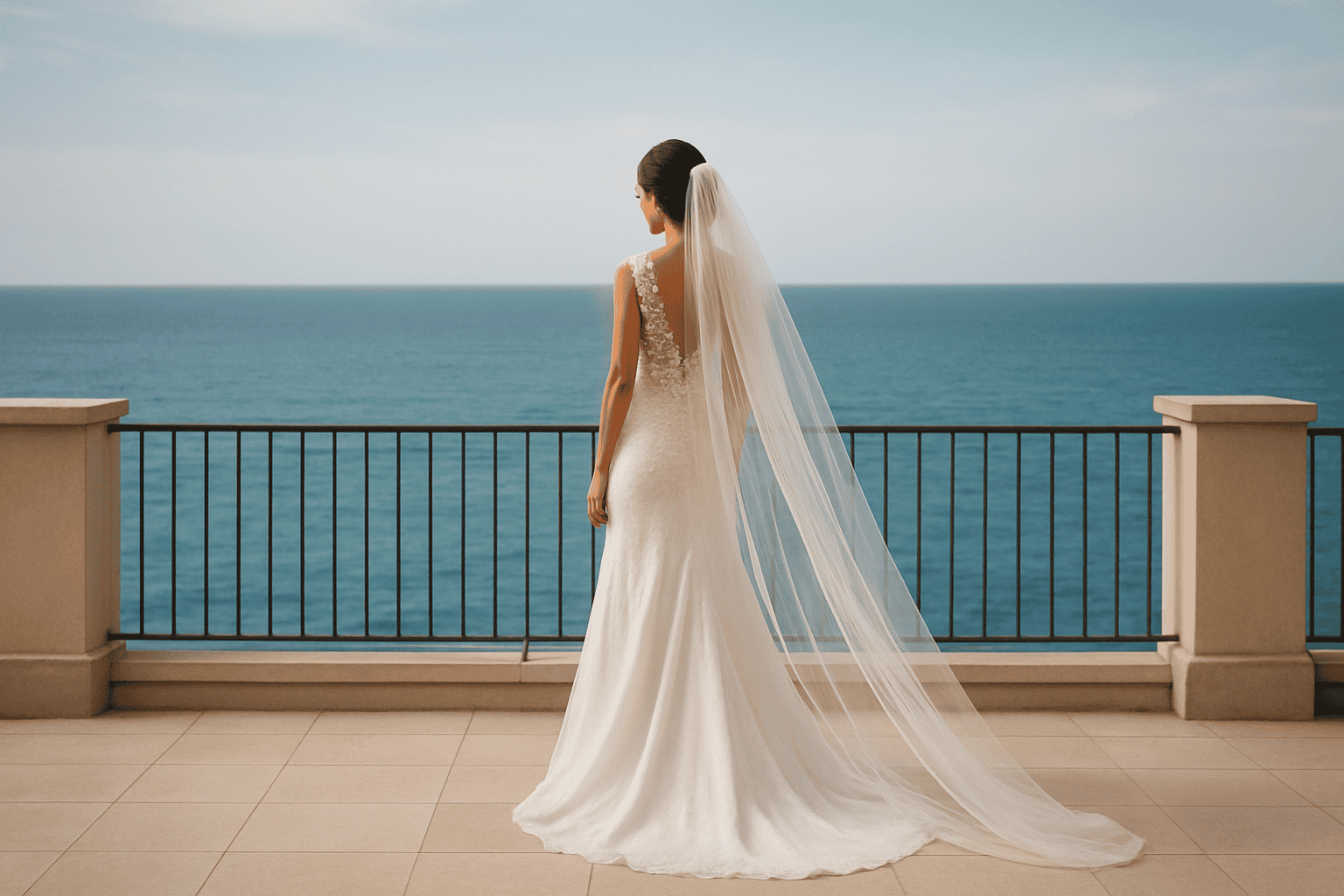
Talking about sea view weddings often means evoking an image: natural light, open horizon, a light breeze, photographs that “take themselves”. But the difference between a nice idea and a truly memorable event lies in project coherence: a narrative thread that brings together location, timing, style, logistics, and atmosphere into a credible and harmonious whole.
Choosing a partner like Matrimoni vista mare wedding can make the journey more straightforward because it helps turn inspiration into a plan: not only “where”, but also “how” and “why”. In a setting like the sea (fascinating but demanding), organizational solidity is what allows poetry to remain poetry, without turning into stress.
In this article you’ll find an informative and practical read: the questions that usually arise when imagining a wedding by the sea, the most common scenarios, and the criteria for evaluating choices and priorities. The goal is to help you build an event that is convincing for guests and, above all, consistent with you.
Seaside weddings: what really changes compared to other locations
The sea is not just a “background”. It is an active element that influences perception, rhythm, and the management of the day. For this reason, they sea view weddings require planning that brings aesthetics and operations together.
The light changes: the visual experience is extremely powerful, but also variable. The timing of the ceremony, the aperitif, and the shots must be planned so that the light enhances without causing discomfort (glare, heat, wind). The soundalso changes : waves, breeze, and open spaces affect the performance of music and microphones. And theperception of spaces
changes
- : by the sea everything tends to “expand”, so it is essential to create focal points and clear transitions between moments.
- A coherent project, in this context, is one that:
- respects the landscape without competing with it;
- uses materials, palettes, and setups that dialogue with the environment;
When these choices are integrated from the very beginning, the result immediately appears more solid and convincing: it doesn’t feel like a “staged” event, but an experience that truly belongs to that place.
The practical questions that arise when planning sea-view weddings
Those who dream of a wedding by the sea often start with images and sensations. Right after that come the operational questions. Lining them up is useful because it clarifies what is really needed to move from the idea to the plan.
What is the best time of day for the ceremony and photos?
Choosing the time isn’t just “romantic”: it affects comfort, photography, and pace. A sunset can be perfect, but it requires a schedule that doesn’t rush and doesn’t pile up delays. An earlier time can leave room to manage travel and unexpected issues. The most coherent solution is the one that brings together light, temperature, and timing without forcing the day.
How do you handle wind, salt spray, and humidity without giving up style?
The sea is wonderful also because it’s alive. But precisely for this reason, some details need to be thought through carefully: fabrics that move too much, light elements that can shift, flowers that suffer in the heat, objects that are affected by salt. A well-built plan doesn’t eliminate the natural element: it channels it into choices that enhance it.
In practice, it helps to think about:
- stable setups that are consistent with the environment (without excesses that “fight” with the view);
- solutions for guests’ comfort (shaded areas, support points, simple pathways);
- materials and details designed to withstand the day (if you have doubts, check the product sheet about the individual elements chosen).
How do you avoid the “postcard” effect and build a personal story?
The risk with sea weddings is relying only on the view. But the view, on its own, doesn’t tell who you are. Coherence comes when every choice answers a question: what atmosphere do we want people to experience?
A personal story can emerge from simple but well-connected elements: a palette that echoes the coast without copying it, an essential but refined mise en place, a schedule that alternates contemplative moments and convivial moments. The sea remains the protagonist, but you are the story.
What makes the experience “convincing” for guests?
Convincingness isn’t a matter of grandeur. It’s the feeling that everything is in the right place: clear welcome, readable spaces, well-distributed timing, smooth transitions between ceremony, aperitif, and dinner. In a sea-view setting, the perceived quality grows when the event is fluid and it doesn’t force guests to “figure out what to do”.
Style consistency in sea-view weddings: palette, materials, and the rhythm of the day
Consistency is a set of micro-decisions that support each other. In sea view weddings this is even more true: the setting is so strong that any out-of-place element is noticed immediately.
To build a solid project, it helps to think on three levels:
- Palette: there’s no need to “do everything blue”. Often, sand, stone, warm white, dusty greens, and measured marine accents work better. The goal is to dialogue with the landscape, not imitate it.
- Materials: natural fibers, ceramics, glass, light woods, matte metals can create a coherent language. If an element is delicate or requires special care, check the product sheet.
- Rhythm: by the sea, the passage of time is felt more intensely. A schedule that’s too tight makes you lose the magic; a schedule that’s too slow creates gaps. Consistency lies in the rhythm: “wow” moments alternating with moments to breathe.
When these three levels are coordinated, the event feels more credible. Not because it’s “perfect”, but because it’s intentional: every choice seems made for that place and for you.
Typical scenarios: outdoor ceremony, panoramic aperitif, dinner under the stars
Many seaside weddings follow a natural sequence: ceremony with a view, aperitif at sunset, dinner in a more sheltered area. The key is to avoid the moments feeling disconnected from each other.
Ceremony: pay attention to the viewpoint (and comfort)
The sea view is powerful, but it needs to be “framed”. Proper alignment of the spaces helps guests experience the ceremony without distractions and without discomfort. The choice of where to position the officiant and the couple also matters: it’s not just aesthetics, it’s experience.
Aperitif: a bridge between emotion and conviviality
The aperitif is often the moment when guests relax and start socializing. In a sea-view setting, it works when there’s a balance between freedom and guidance: areas to move around, but also clear reference points (beverage stations, shaded areas, small corners for photos and conversations).
Dinner: an intimate atmosphere without losing the sea
Dinner can take place in a more sheltered area, keeping the sea as a presence. The goal is to create intimacy: warm lights, well-spaced tables, a sound system that accompanies without intruding. Here too, consistency is what makes the whole feel “right”.
Logistics and Plan B: the invisible solidity that makes the difference
In seaside weddings, solidity shows most when it doesn’t show: when everything flows and no one perceives the behind-the-scenes complexity. This is where a structured plan becomes a real advantage.
Some aspects that deserve attention from the very first stages:
- paths for guests and staff (access, movements, service points);
- timelines realistic between one moment and the next, considering distances and set-up changes;
- weather management with coherent alternatives: not a “fallback”, but a second setting conceived with the same aesthetic language;
- comfort based on the season and the hours of the day (shadows, natural ventilation, more sheltered areas).
An effective plan B must not betray the initial idea. It must be a variation of the same story. When this part is well designed, the wedding turns out more solid and you feel freer to live the day.
How to evaluate a venue: useful criteria for coherent sea-view weddings
The venue is the heart of the project, but it’s not enough that it’s “beautiful”. It must be compatible with your vision and with the type of experience you want to offer. For sea view weddings it is useful to evaluate some practical criteria, in addition to the aesthetic impact.
During site visits and discussions, it can help to ask yourself:
- What is the strongest point of the view? And how does it integrate into the ceremony and the main moments?
- Do the spaces allow natural transitions? Or do they require complex moves that break the rhythm?
- Are there alternative areas that maintain coherence in case of a weather change?
- What atmosphere is created in the evening? The sea changes face: lighting and layout become decisive.
If you are looking for targeted inspiration and a well-reasoned overview, the dedicated node Coherent hub can help you bring order among ideas and possibilities, keeping the focus on style and overall result.
Sea-View Weddings in Sicily – The Most Suggestive Locations: why the context influences the story
When it comes to Sea View Weddings in Sicily - The Most Suggestive Locations, the theme is not only the beauty of the landscape. It is the variety of settings: rocky coasts, softer bays, panoramic terraces, gardens overlooking the blue. Each context suggests a different language and, consequently, a different project.
Coherence comes from knowing how to read that context and translate it into stylistic and organizational choices. A wide and “dramatic” panorama may require essentiality so as not to overload. A more intimate outlook can allow richer details. In both cases, the rule is the same: not to add, but to compose.
If you want to explore how to navigate atmospheres and settings, it can be useful to consult authoritative resources on event planning and event experience. An external reference to read with a critical eye is Http://Valutabacklinksolodopoaverconsolidatoilcollegamentointernoconiltargeteglialtrinodidelcluster..
Consistency checklist: guiding questions before confirming vendors and setups
A successful seaside wedding is not the sum of “beautiful” choices, but the interlocking of compatible choices. Before confirming details and vendors, it can be useful to do a consistency check, as if you were rereading a story to make sure there are no chapters that feel out of tune.
- Atmosphere: if you described the event in three words, what would they be? Does every decision respect them?
- Palette and materials: is there continuity between the ceremony, aperitif and dinner?
- Rhythm: does the schedule leave room for emotions or does it rush to “do everything”?
- Guest experience: is it clear where to go and what happens, without the need for continuous explanations?
- Backup plan: if the weather changes, does the event remain consistent and enjoyable to experience?
These questions are not meant to complicate things: they are meant to simplify, because they reduce second thoughts and impulsive choices. And, above all, they make the project more compelling as a whole.
Toward a more coherent project: the difference between coordinating and building a seaside wedding
Coordinating means making a day work. Building means giving it meaning. In sea view weddings this distinction is crucial: the location can be extraordinary, but without a project it risks remaining just a backdrop.
When you choose a team used to reading spaces, light and timing, planning becomes a journey: an identity is defined, priorities are chosen, a direction is created that holds aesthetics and logistics together. The result is not only “beautiful”: it is coherent, solid and credible for those who experience it.
One last step: inspiration and next choices for seaside weddings
If you are gathering ideas and want to turn them into a concrete project, explore the category dedicated to weddings by the sea and let yourself be guided by an approach that combines vision and organization. To start with a focused overview, go to the section Sea View Weddings in Sicily - The Most Suggestive Locations of Chiara B Events' blog: it is a good starting point to bring style, settings and creative direction into focus.
FAQ
What really makes a seaside wedding cohesive?
Consistency comes from alignment between the venue, palette, materials, the rhythm of the day, and space management. If every choice supports the same atmosphere, the event feels natural and credible, without any out-of-place elements.
What are the most common issues in seaside weddings?
The most frequent ones concern wind, humidity, variable light, and very open spaces. To avoid them, you need direction that provides stable solutions for setups and audio, smooth transitions between moments, and a consistent backup plan.
How to choose the right time for the ceremony and photos by the sea?
It depends on the light, temperature, and overall schedule. In general, it’s best to plan the timings based on the guests’ experience and the smooth flow of transitions, avoiding squeezing the key moments just to chase an aesthetic idea.
Is a plan B necessary even in a very well-equipped seaside location?
Yes, because the sea is a dynamic setting. An effective plan B is not a fallback: it is a second setup designed with the same style, so the event remains consistent even in case of weather changes.
How to avoid the “postcard” effect in seaside weddings?
A personal story is needed: a palette that dialogues with the surroundings without copying them, coherent details, and a lineup that alternates emotion and conviviality. The sea remains the protagonist, but the story must speak about you.
