
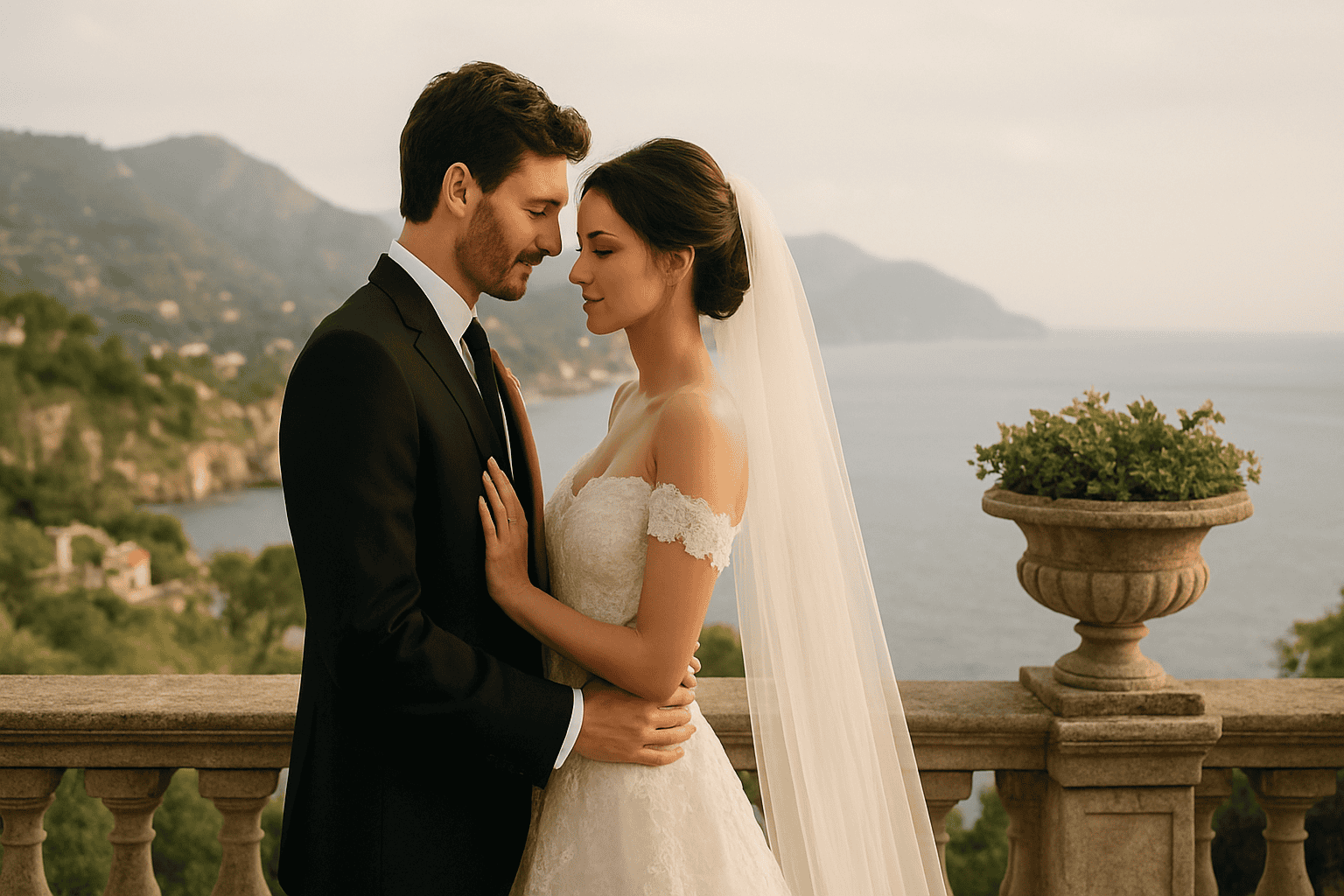
The Best Wedding Locations in Sicily in 2025
Choosing among the best wedding venues in Sicily in 2025 means finding a balance between atmosphere, logistics, and the identity of the place. The island offers very different settings: bright coastlines, countryside scented with citrus, Baroque cities, seaside villages, and historic residences. The good news is that, with a clear method, you can quickly narrow down the options and identify the perfect backdrop for your “I do”.
In this guide you’ll find practical criteria and inspirational ideas to help you navigate: not a list of venues, but a well-reasoned map of the most in-demand types and the most scenic areas, with useful pointers for talking with the venue and suppliers. Where a detail can change from one venue to another, you’ll find notes like “check the product page” or directly with the venue.
Wedding venues in Sicily 2025: how to choose based on style and season
In 2025, couples are increasingly looking for a coherent experience: not just “a beautiful place”, but a venue that tells a story. Before booking visits and site inspections, define three key elements:
- Wedding style: elegant, boho-chic, minimal, traditional, contemporary, “garden party”.
- Season and timing: daytime ceremony, golden hour, dinner under the stars, after party.
- Logistical priorities: distance from airports, room availability, accessibility, plan B.
A practical tip: prepare a mini “checklist” to use at every site visit. It will help you compare venues without being guided only by the emotion of the moment.
To learn more about organizing the event project (timeline, site visits, supplier coordination), you can take a look at how the wedding consultation works and at the wedding timeline guide.
Wedding in a masseria or Sicilian baglio: authenticity, spaces, and plan B
If you want a warm atmosphere that’s “rooted” in the territory, masserie and bagli are often the most natural choice. Stone courtyards, porticos, Mediterranean gardens, and indoor halls create an ideal mix for events that want to be elegant but not stiff.
Why they work in 2025
- Versatility: they often allow you to manage a symbolic ceremony, aperitif, and dinner in different areas.
- Strong visual identity: materials, colors, and architecture reduce the need to “fill” with excessive setups.
- Plan B: many venues have scenic covered spaces (check the product page or with the venue).
Questions to ask during the site inspection
- Which areas are available for each phase of the event and with what limitations?
- Are there restrictions on music, hours, or the use of certain areas? (check with the venue)
- How is the transition between outdoor and indoor spaces managed in case of uncertain weather?
If you like the idea of a “spread-out” reception between courtyard, garden, and hall, plan a clear direction: discreet signage, consistent lighting points, and timing that avoids dead time.
Villas with gardens for weddings in Sicily: elegance and creative freedom
Le villas with park are perfect for those who envision a refined wedding, with large green spaces and a natural setting already in place. In 2025, you often see “lighter” setups: imperial long tables, lounge areas in natural fabrics, seasonal flowers, and palettes inspired by the landscape.
Layout ideas that enhance a villa
- Ceremony in the garden with essential seating and a minimalist floral arch.
- Aperitif in a shaded area (or with tensile structures: check availability with the venue).
- Dinner on a lawn or courtyard, with warm lighting and light points at different heights.
The villa is also a strategic choice for those who want a “tailor-made” wedding: it often allows you to customize routes, corners, and special moments. Before you fall in love with the spaces, however, carefully check access, parking, and loading/unloading areas for suppliers (check the product sheet).
Seaside venues in Sicily: beach weddings, cliffs, and sunsets
A wedding by the sea in Sicily remains among the strongest wishes, and in 2025 the trend toward events that make use of natural light is consolidating: sunset ceremonies, dinners with a view, and more intimate after-parties. The main alternatives are three:
- Beach wedding: relaxed atmosphere, sand-and-white palette, details in natural fibers.
- Terraces by the sea: perfect for contemporary elegance and panoramic photos.
- Cliffs and coves: spectacular settings, but they require attention to logistics and access routes.
What to consider before confirming a sea-view venue
- Wind and humidity: they affect hairstyle, flowers, and table setting; ask for alternative solutions.
- Evening lighting: check where lighting points and cables can be placed.
- Plan B: essential if the ceremony is outdoors (check the product sheet).
To make the experience truly smooth, precise coordination between music, catering, and service timing helps a lot. If you want inspiration on atmosphere and styling, check out wedding setup ideas.
Historic mansions and period palaces: Baroque scenery and timeless charm
Those who dream of a “movie-like” wedding often lean toward historic mansions, noble palaces, and period residences. In Sicily, especially in Baroque areas, architecture becomes an integral part of the event: staircases, halls, inner courtyards, and decorative details create a powerful setting even with an essential design.
When to choose a historic mansion
- If you want a dress code more formal and an elegant atmosphere.
- If you love interior photography and want portraits in iconic settings.
- If you prefer a “classic” narrative with well-defined moments.
In these venues, the keyword is consistency: choose a palette that dialogues with stuccoes, stone, and floors, and go for warm lights and flowers that aren’t overly voluminous. For some technical aspects (access, permitted areas, any limitations), check directly with the venue.
Resorts and hotels for weddings in Sicily: comfort for guests and simple management
If you have many guests arriving from outside the region or from abroad, a resort or hotel can be the most convenient solution: on-site rooms, in-house staff, already equipped spaces, and often a more straightforward management. It’s a choice that also works well for “weekend weddings”, with multiple moments spread between welcome, ceremony, and brunch.
Practical advantages
- Hospitality: reduces travel and stress for guests.
- Coordination: a single point of contact for multiple services (check in the product sheet).
- Weather solutions: indoor rooms and ready-made alternatives are often available.
To keep a “tailor-made” result, work on the aesthetic project: stationery, flowers, lights, and music must give personality even to more “neutral” spaces. If you’re considering a wedding with international guests, it may be useful to read how to organize a destination wedding in Sicily.
Farm stays and countryside venues: intimate atmosphere and Mediterranean flavor
The farmhouses and venues immersed in greenery are ideal for more intimate weddings, with a relaxed pace and a strong connection with nature. In 2025, attention to authentic experiences is growing: convivial tables, “live” corners, handcrafted details, and entertainment that is less “stage-like” and more participatory.
How to enhance a rural venue
- Natural materials: linen, wood, ceramics, transparent glass.
- Soft, diffused lighting: string lights, lanterns, candles (check with the venue what is allowed).
- Experiential moments: tastings, welcome corner, small acoustic performances.
Pay attention to evening road access and transfer management: if the countryside is part of the charm, you also need impeccable logistical direction (parking, shuttles, signage). Check the available options in the product sheet or with the venue.
Most sought-after areas for weddings in Sicily: where to look for the right venue
Sicily is not just “one” place: light, landscape, and architectural style change even just a few kilometers apart. Here are some areas that in 2025 continue to be highly sought-after, each with a distinct character:
- Val di Noto: Baroque scenery, bright squares, elegant residences.
- Taormina and surroundings: iconic views, terraces, and a glamorous atmosphere.
- Palermo and the north coast: a mix of history, sea, and gardens, with many urban and semi-urban options.
- Trapani and the western area: memorable sunsets, salt pans, wide-open landscapes, and winds to consider.
- Agrigento and south coast: intense light, natural settings, and nearby archaeology.
- Catania and the Etna side: contrasts between sea and volcanic landscapes, perfect for weddings with a bold character.
When choosing the area, also think in terms of the guest experience: transfer times, side activities, and ease of overnight stays can make the difference.
Checklist for visiting a wedding venue in Sicily: questions and details that matter
A venue can look wonderful in photos and be less functional in real life. During the visit, focus on concrete elements: they’re what make the event smooth and stress-free.
Spaces and flows
- Actual capacity of the spaces (seated/standing) and the possibility of changing the layout.
- Routes between ceremony, aperitif and dinner: are they convenient? are there architectural barriers?
- Kids' area or relaxation area: if planned, where is it located?
Weather and alternatives
- Plan B as credible and beautiful as plan A (check the product sheet).
- Heat/wind management: shade, ventilation, usable indoor spaces.
Suppliers and operations
- Access for catering, band/DJ, florist and setup crews.
- Presence of an in-house kitchen or support areas (check with the venue).
- Setup/teardown times and storage spaces.
If you want, you can also compare your notes with a standard evaluation sheet: it generally reduces indecision and second thoughts, especially when there are many options.
2025 trends for weddings in Sicily: how to enhance the venue without turning it upside down
In 2025 the direction is clear: less and better. The venue becomes the star, and the setups work to highlight its strengths. Some trends that fit Sicily perfectly:
- Palettes inspired by the land: sand, ivory, terracotta, sage green, deep blue.
- Seasonal flowers and airy arrangements, with more movement and less rigidity.
- Scenographic lighting: warm lighting, multi-level light points, illuminated pathways.
- Textured table setting: natural fabrics, ceramics, glass, handcrafted details.
- “Moment-based” entertainment: short performances placed well in the timing, without overloading.
The secret is not to fight the venue: if you choose a Baroque residence, go for clean lines; if you choose a masseria, let stone and greenery breathe; if you choose the sea, build a plan that takes wind and light into account.
Useful links for organizing a wedding in Sicily
To make planning easier, here are some related resources that can help you turn the venue choice into a complete project:
- Ideas and inspiration for an elegant wedding in Sicily
- How to choose flowers and a color palette based on the season
Do you want full direction, from the site inspection to the day of the event? Discover ChiaraB Events services and request a consultation: we help you select the most suitable location, define the style, and coordinate suppliers and timing for a wedding in Sicily truly consistent.
FAQ
What is the best time to get married in Sicily in 2025?
It depends on the style and the area: spring and early autumn are often ideal for milder temperatures, while summer enhances sunsets over the sea. Always consider a plan B and guests’ comfort based on the chosen location.
How can you tell if a venue in Sicily has a good Plan B in case of rain or wind?
Ask to see the alternative spaces that can already be set up (not just those “available”), check how flows and timing change and whether the atmosphere remains consistent with the project. For operational details, check the product sheet or directly with the venue.
Better a seaside venue or a masseria for a wedding in Sicily?
The sea is perfect for a bright, panoramic mood, but it requires attention to wind and logistics; the masseria often offers more versatility between outdoor and indoor spaces and an authentic aesthetic. The best choice is the one that aligns style, season, and travel management.
What to ask during the site visit of a wedding venue in Sicily?
Focus on spaces for each moment (ceremony, aperitif, dinner, party), access for suppliers, weather management, evening lighting, and routes for guests. If some aspects change depending on the configuration, check the product sheet.
How to organize a destination wedding in Sicily with guests arriving from out of town?
Choose an area with convenient connections, consider a venue with on-site accommodation or nearby facilities, and plan a clear schedule (welcome, wedding day, possible brunch). A dedicated coordinator helps manage transfers and timing without stress.
From the blog
 Tips
Tips
Wedding Ideas: Trends and Tips for a Perfect Wedding
Organizing a wedding today means choosing among endless possibilities without losing sight of what really matters: telling your […]
Read more Tips
Tips
Getting married on Lake Garda: the perfect wedding between water and mountains
Between luminous shores, stone villages, and mountain profiles that change color with the sun, getting married on Lake Garda […]
Read more Tips
Tips
Getting married at the Tonnara di Scopello - History and Charm of a Unique Location
Tonnara di Scopello: a wedding venue between history, sea, and stone Choosing to get married at the Tonnara di Scopello means […]
Read more