
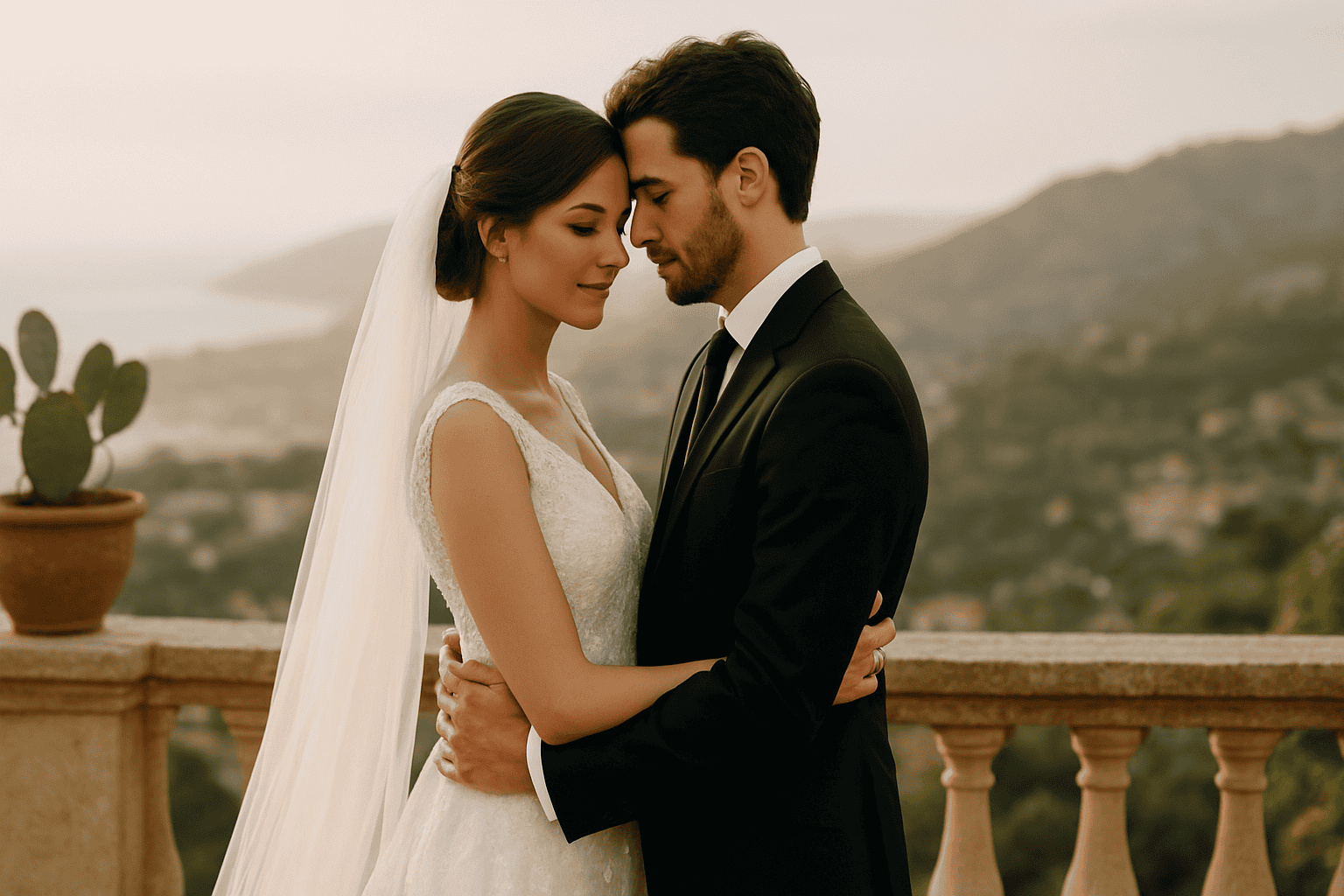
Wedding Planning in Sicily - Traditions and Suggestive Rites
Organising a wedding in Sicily means entering a world made of light, scents, and ancient gestures. Here celebrations are not just an “event”: they become a collective story, where family, territory, and symbols naturally intertwine. Whether you dream of a seaside ceremony, a countryside reception, or a ritual in a stone village, knowing Sicilian traditions helps you give coherence to the style and choose details that truly speak about you.
In this guide you’ll find the most evocative rites, the most widespread customs (with local variations), practical ideas for incorporating them into the plan, and suggestions for making the experience authentic without weighing down the day. When a tradition changes from area to area, we point it out: Sicily is a mosaic, and each tile has its own accent.
Planning a wedding in Sicily: traditions that make the “I do” unique
The key word is customisation. Sicilian traditions shouldn’t be “replicated” rigidly: they work when they become a language, a way of saying “this is our story.” In many families, some rites are still deeply felt; in others, they are an aesthetic or cultural reference. The important thing is to choose a few strong elements and build a narrative thread.
If you’re defining the style, it can be helpful to start with three questions:
- What is the soul of the place? Sea, countryside, baroque city, Etna village: each setting suggests different colors and symbols.
- Which gestures represent you? Hospitality, conviviality, spirituality, irony: traditions can amplify the message.
- How much space to give to the rite? A detail (like a ribbon or a wish) may be enough, or you can build an entire “scene” around a custom.
For inspirations related to the style and direction of the event, you can explore wedding ideas and services and save the details that feel closest to your project.
Pre-wedding rites: promises, family, and small gestures of good luck
Before the ceremony, in Sicily there is a very intense dimension of “waiting”: the home, the family, the preparations. Not everything is the same everywhere, but some gestures recur often, especially when you want to give value to the moment of meeting between the families.
The parents’ blessing and the farewell to the home
In many areas, the family blessing is a central emotional step. It can be a prayer, a simple phrase, or a symbolic gesture. Even those who choose a civil ceremony can keep this moment in a secular form: a wish spoken by the parents, a letter, an intimate toast.
An elegant idea is to set up a “family” corner with photos, a meaningful object, or a small guestbook dedicated to close relatives. If you want to complete the setup coherently, consider accessories and details for the ceremony designed for symbolic moments (check the product page for available variants).
The procession and the arrival: when the entrance becomes a story
The couple’s arrival is often an event within the event. In some places, the procession is experienced as a community celebration; elsewhere it is more discreet. In any case, the entrance can become a true narrative scene if you take care of:
- the music (live or selected),
- the rhythm (timing, pauses, glances),
- the visual details (flowers, ribbons, local colors).
If you want a typically Sicilian touch, warm colors (citrus, terracotta, golden yellow, deep blue) and references to majolica tiles can be introduced with restraint, without turning everything into a rigid “theme”.
The ceremony between sacred and symbolic: Sicilian rites and modern interpretations
Sicily has a strong religious tradition, but also a rich culture of symbols that can dialogue with civil or symbolic ceremonies. The goal is not to “do folklore”: it is to give depth to the gestures.
The exchange of rings and the power of words
The exchange of rings is universal, but in Sicily it is often accompanied by a particular intensity: the words spoken in front of witnesses and family. If you want to enhance this moment, you can work on:
- personalized vows (brief, authentic, without excessive rhetoric),
- a “bridge” object between the families (for example a cushion or a symbolic support),
- a blessing gesture chosen with the celebrant or with whoever leads the ceremony.
To complete the scene with aesthetic coherence, it can be useful to consult ideas for the ceremony set-up and select elements that integrate with the venue (check the product sheet for colors and materials).
Ribbons, ties, and “signs” of union
In various Mediterranean cultures there is the symbol of the bond: a ribbon, a cord, a veil that unites. In Sicily it can be reinterpreted in a delicate way: a ribbon that wraps around the hands during a vow, a textile detail that echoes the wedding colors, or an element that returns also at the reception (for example in place cards or invitations).
The golden rule: one strong symbol repeated consistently is more elegant than many overlapping symbols.
Sicilian traditions at the reception: welcome, conviviality and natural settings
The reception in Sicily is often a long and generous experience: not only for the table, but for the way guests are welcomed. Here too, traditions change from province to province, but the heart is always the same: making everyone feel part of the celebration.
Welcoming guests: the “welcome” that opens the celebration
A well-thought-out welcome immediately creates atmosphere. You can build it with a few coherent elements:
- a well-kept entry point (sign, flowers, local colors),
- a gesture of hospitality (a cool drink, a small token),
- a guiding phrase that tells the meaning of the day.
If you want an idea that combines aesthetics and functionality, consider a “welcome corner” with information for guests (times, spaces, special moments). To coordinate the graphics and details, you can take a look at coordinated sets and accessories for the reception (check the product sheet for formats and finishes).
The role of music: between tradition and contemporary celebration
Music in Sicily has a special power: it accompanies, ignites, unites generations. If you want a traditional touch, you can include it at a specific point (for example at the entrance or during a moment of thanks), and then leave room for a more modern setlist for the party.
Choosing a “root” song (linked to the family or the area) that returns as a leitmotif at several moments of the day also works very well.
Wedding favors and “tokens” in Sicilian style: meaning before the object
The wedding favor, in Sicily, is often experienced as a sign of gratitude. More than the object itself, what matters is the message: “I’m taking with me a piece of this day”. To make it truly in line with traditions, you can think on three levels:
- Symbol: a reference to the area (colors, motifs, materials), without forcing it.
- Usefulness or keepsake: something that lasts over time or that accompanies a daily gesture.
- Presentation: packaging, tag, ribbon, card. Often, elegance is born here.
If you're looking for inspiration for a thought that matches the Sicilian mood, explore ideas for favors and packaging and choose a style that speaks with the venue and palette (check the product page for customization options).
Colors, symbols and materials: Sicily in the details (without a “theme” effect)
The most common risk, when thinking about a wedding in Sicily, is turning everything into a “themed” set. In reality, elegance comes from balance: a few well-placed references, consistent with the space and the season.
Here are some elements that evoke Sicily in a refined way:
- Majolica tiles and geometric patterns: perfect for graphic details, place cards, seating charts, small decorative accents.
- Citrus fruits and Mediterranean greenery: great as color touches, especially in bright, natural settings.
- Terracotta, stone, linen: materials that “work well” with courtyards, farm estates, gardens, villages.
- Warm gold and deep blue: a color pairing that recalls sea and sun, ideal for summer evenings.
A styling trick: choose a standout texture (for example ceramic or linen) and let it appear in 2–3 key points, instead of spreading it everywhere.
Good-luck rites and “lucky charm” moments to include discreetly
Folk beliefs in Sicily are rich and varied. Some families care a lot about small good-luck gestures, others prefer to avoid them. If you like the idea, you can include them in a respectful, light way, without turning them into superstition.
Some examples of an elegant approach:
- A written wish from the guests, collected in a book or on dedicated cards.
- A “family” toast in an intimate moment, before entering the reception room.
- A symbolic object chosen for its personal meaning (not for “mandatory tradition”).
If you want, you can also plan a moment to thank the guests: in Sicily gratitude is part of the celebration, and a short but heartfelt speech often is worth more than any scenic effect.
How to choose venue and style based on Sicilian traditions
Traditions don’t live in a vacuum: they rest on places. For this reason, when you organize a wedding in Sicily, the venue is not just a backdrop, but a narrative element.
Sea, art city or countryside: three atmospheres, three languages
- Sea: light, wind, essentiality. Fresh palettes and minimal details with a single Mediterranean accent work well.
- Art cities and Baroque: already a rich setting. Better to choose cleaner details and elegant materials so as not to “compete” with the architecture.
- Countryside and villages: warmth, conviviality, nature. Here the traditions of hospitality and the choral moments find a natural space.
When you build the style, try to think in terms of sequence: entrance, ceremony, aperitif, dinner, party. Each phase can have a different Sicilian reference, without repetitions.
Timeline and direction of the day: where to place the most evocative rites
A tradition works if it’s in the right place. Putting it at the wrong moment can make it feel “forced”. Here is a simple map to choose:
- Before the ceremony: blessings, letters, family moments, clothing details or symbolic accessories.
- During the ceremony: vows, symbolic bonds, thanks, gestures shared with the witnesses.
- Upon arrival at the reception: welcome, dedicated corners, opening music.
- After dinner: moments of celebration, dances, surprises, final thanks.
If you are building the direction and want to avoid dead time, it helps a lot to define only two “special” moments (one emotional and one festive) and make everything revolve around those.
Frequently asked questions about weddings in Sicily, traditions and rites
Below you’ll find answers to the most common questions about traditions, symbols and style choices for a wedding in Sicily. If you want personalized advice, consider comparing the ideas with your project and with your family’s sensibility.
One last step: bring Sicily into your wedding with cohesive details
If you want to turn traditions and rituals into a harmonious project, choose a few strong symbols and build palettes, graphics, and setups around them. Discover the ChiaraB Events selection dedicated to wedding details and let yourself be guided by an elegant Mediterranean style: visit the brand category and find the right elements to tell your Sicily.
FAQ
What are the most typical traditions for organizing a wedding in Sicily?
Among the most heartfelt are the family moments before the ceremony (blessings and good wishes), the entrance as a narrative “scene,” the centrality of welcoming guests at the reception, and the wedding favor as a sign of gratitude. Many customs vary by area: if you want to respect local tradition, consult with the family and the venue.
Can Sicilian rites also be included in a civil or symbolic ceremony?
Yes. Many elements are cultural rather than religious: parents' wishes, personalized vows, gestures of thanks, symbols of union such as ribbons or ties. The important thing is to integrate them with discretion and consistency, avoiding overlapping too many symbols.
How to avoid an overly heavy "Sicily-themed wedding" effect?
Choose one or two main motifs (for example, tiles or citrus and Mediterranean green) and repeat them in a few key points: graphics, a corner, a table detail. Natural materials and balanced palettes help maintain an elegant style.
Where is it best to include good-luck rituals during the day?
They usually work well in intimate moments: before the ceremony (wishes and letters), during the ceremony (vows and a symbolic gesture), or upon arrival at the reception (welcome and thanks). Avoid adding them in already dense transitions, so as not to slow down the direction.
How to choose Sicilian-style wedding favors without mentioning specific products?
Start from the meaning: gratitude and remembrance. Then define a territorial symbol (colors, patterns, materials) and take great care with the presentation: packaging, card, and ribbons. If you are considering a proposal, check the available options and the possibility of customization in the product sheet.
Are Sicilian traditions the same throughout the island?
No. Sicily is very diverse: some customs change between the coast and the interior, between provinces and even between neighboring towns. For an authentic result, take inspiration from the best-known traditions and then adapt the details to your family's history and the context of the location.
From the blog
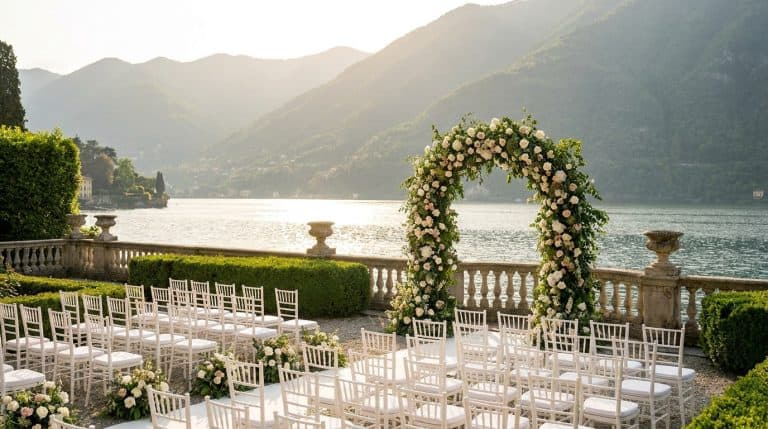 Wedding
Dream Wedding on Lake Como - The Most Exclusive Locations
A wedding on Lake Como is an idea that combines iconic scenery, top-level hospitality, and a naturally cinematic atmosphere. […]
Read more Tips
Tips
Wedding Ideas: Trends and Tips for a Perfect Wedding
Organizing a wedding today means choosing among endless possibilities without losing sight of what really matters: telling your […]
Read more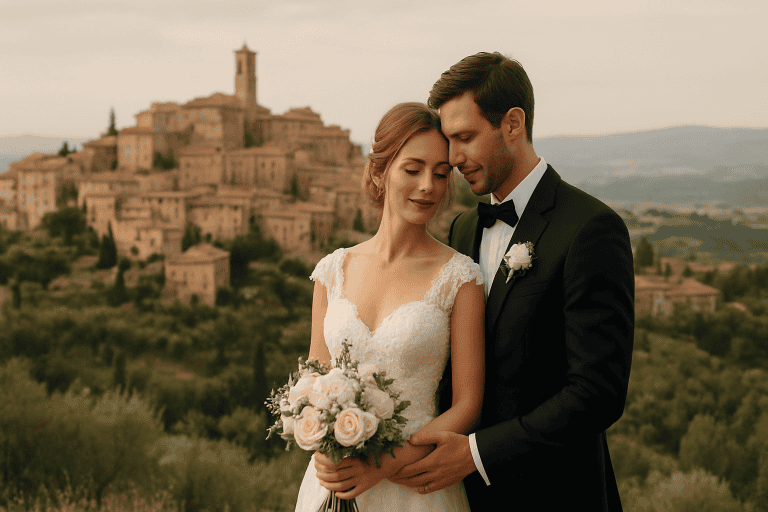 Wedding
Luxury Wedding in Montepulciano - History and Romantic Atmosphere
Luxury wedding in Montepulciano: Tuscan elegance between history and romantic atmosphere Montepulciano is one of those places that seem born […]
Read more