
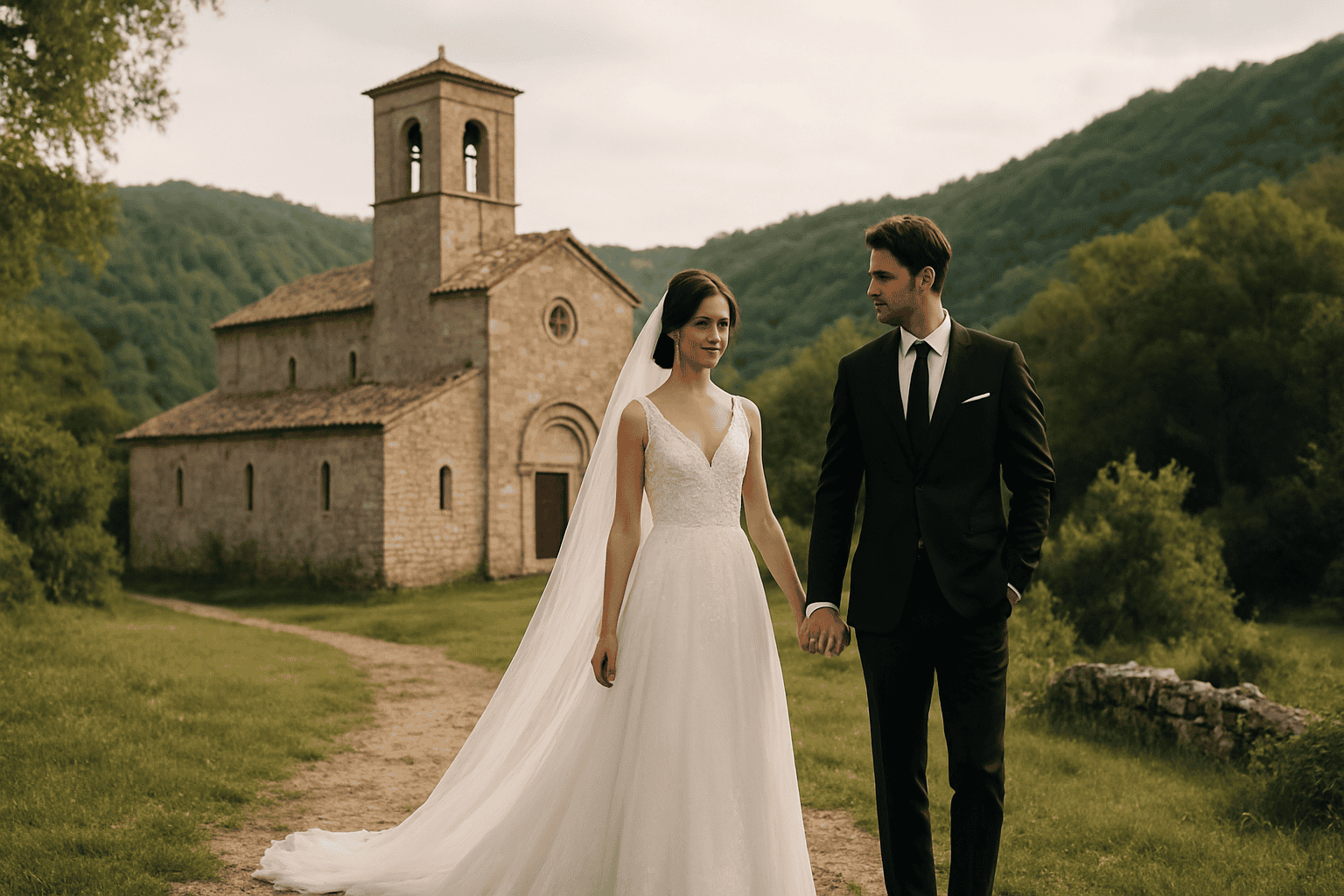
Getting married at the Hermitage of the White Friars: a magical location for fairytale weddings
There are places that don’t just “host” a wedding: they turn it into a story. The Hermitage of the White Friars is one of those venues capable of changing the rhythm of time, making you lower your voice and raise your gaze, as happens when you step into a space that holds memory. If you’re imagining intimate yet scenic, romantic yet authentic vows, here you’ll find a rare balance: a cozy atmosphere, evocative details, and a sense of understated magic that accompanies every moment.
In this guide you’ll find ideas, organizational cues, and practical advice to design a wedding consistent with the soul of the place: from the ceremony to the reception, from the floral setup to the lighting, all the way to a Plan B that won’t ruin the enchantment. Where a detail depends on the venue’s actual characteristics, I suggest you check the product sheet or in the official information provided by the manager.
Getting married at the Hermitage of the White Friars: atmosphere, style, and sensations
When you choose a venue like the Hermitage of the White Friars, the first decision isn’t about colors or the menu: it’s about the emotional tone of the day. Here, weddings that prioritize the following work well:
- Intimacy: real conversations, slow moments, spaces that invite closeness.
- Aesthetic coherence: setups that enhance what’s already there without “covering it up”.
- Rituality: entrances, vows, toasts, and cake cutting built like small scenic acts.
The best result comes when every choice (flowers, lights, music, stationery) feels like it was born for that place. There’s no need to overdo it: often it’s more effective to remove than to add, letting architecture, perspectives, and silences do their part.
Ceremony at the Hermitage: civil, symbolic, or religious rite (what to consider)
The ceremony is the heart. To make it memorable, first define the type of rite and then build the direction around the available spaces. Some venues allow ceremonies in specific areas or with certain arrangements: for operational details, check the product sheet.
Civil or symbolic rite: how to create a natural setting
For a civil or symbolic rite, aim for an essential composition: a light floral “frame,” orderly seating, and an aisle that guides the eye. In a context like this, these work very well:
- low, airy arrangements (don’t block the view);
- natural fabrics and soft palettes;
- micro-details: ceremony booklets, cones for petals, ribbons, or small place markers for the seats.
If you want a “wow” effect without weighing it down, work on the depth: multiple light points and floral accents distributed along the path, instead of a single large element.
Religious rite: harmony between sacredness and hospitality
If the ceremony is religious, the goal is to respect the sacredness and, at the same time, make the experience comfortable for guests. Here, practical details make the difference: entrance timing, managing the readings, discreet miking, and music that accompanies without intruding.
A tip: define in advance a movement plan (entrances, signatures, exit) to avoid “empty” pauses. Simple direction, rehearsed once, makes everything smoother and more natural.
Reception and banquet: how to design an experience consistent with the venue
The reception isn’t a single moment: it’s a sequence. In a venue with an intimate charm, the ideal sequence alternates conviviality and breathing space. Here’s a structure that often works very well:
- Welcome with a light drink and soft music;
- Aperitif with themed stations and small conversation corners;
- Dinner with well-spaced tables and a centerpiece that doesn’t obstruct the view;
- Cake cutting in a scenic spot (consider lighting and backdrop);
- After dinner with a warmer atmosphere: lights, playlist, dancing or lounge moments.
The key is to avoid “dead time”. If a change of area is necessary, turn it into part of the story: a short musical performance, a surprise from friends, a guided toast. Every transition should feel intentional.
Seating plan and table layout: elegance without rigidity
The table layout affects the room’s energy. If you want an intimate mood, consider tables that encourage natural conversation. If you prefer a more scenic impact, a more symmetrical layout can enhance perspectives and focal points.
In both cases, take care of these aspects:
- comfortable pathways for guests and staff;
- visibility toward the couple’s table (without an excessive “stage effect”);
- acoustics: avoid concentrating everyone near speakers or resonant points.
Fairytale wedding setups: flowers, colors and materials that enhance the Eremo
A evocative venue calls for setups that dialogue with what already exists. The goal isn’t to “fill”, but to highlight. For a contemporary fairytale effect, work on three levels: palette, texture, light.
Recommended palettes: from romantic to contemporary
The most effective palettes are those that don’t compete with the atmosphere of the place. Some style directions that often work beautifully:
- Warm neutrals (ivory, sand, champagne) with green touches;
- Dusty pastels for an elegant romanticism;
- White and green minimal-chic, perfect if you love clean lines;
- Intense tones (burgundy, plum, deep blue) if the wedding is in the evening and you want a theatrical impact.
The final choice also depends on the season and the spaces used: to avoid color breaks, build a palette with 2-3 main colors and 1 accent.
Flowers and greenery: how to get volume without excess
For a “full” yet refined setting, alternate flowers and greenery intelligently: more substantial arrangements in the photo spots (ceremony, entrance, cake cutting) and lighter details on the tables. This way you get a harmonious and, above all, consistent result.
If you love a natural look, favor soft and asymmetrical shapes. If you prefer classic elegance, choose more orderly lines and regular repetitions. In both cases, remember: controlled repetition (same materials, same colors, same small details) immediately creates a sense of design.
Materials and details: the difference is made by the “micro-elements”
You don’t need dozens of different decorative elements. Better a few, chosen well:
- coordinated candles and candle holders;
- natural fabrics (table linens, runners, ribbons);
- place cards and menus consistent with the stationery;
- dedicated corners (guestbook, photo corner, candy table) with a single visual identity.
For inspiration on graphic suites and style details, you can take a look at ideas for elegant wedding stationery and at accessories and details for the reception table.
Lighting and evening atmosphere: candles, warm lights, and settings
If there’s one element that truly turns a wedding into a fairy tale, it’s light. In locations with historic or intimate charm, the lighting must be warm, layered, and never harsh. Think in levels:
- ambient light to provide uniformity;
- power points to guide the gaze (entrances, corridors, corners);
- accents for the key moments (ceremony, cake, first dance).
Candles create immediate intimacy, but they should be integrated with lighting that ensures visual comfort. If the venue has constraints or specific guidelines on setups and safety, check the product sheet.
For a cohesive mood, pair the lighting with a sound palette: soft live music during the aperitif, then a more upbeat selection after dinner. The transition should be felt, not “blasted”.
Photos and videos at the Eremo dei Frati Bianchi: how to enhance the spaces without stress
The best images come when the timing is realistic and the couple aren’t dragged away for hours. Plan a short but focused couple session, choosing 2–3 strong spots and a time window with favorable light. If you’re not sure of the best spots, ask the photographer to do a site visit.
To avoid anxiety and delays:
- define a schedule with relaxed timing;
- organize the group photos right after the ceremony (or at an agreed time);
- prepare an essential list of “must-have” shots (without overdoing it).
A detail that’s often underestimated: the backdrop for the cake cutting. Choose a spot that has depth and that, in the evening, can be enhanced with warm lights. It’s one of the most photographed moments: it deserves dedicated direction.
Plan B in case of rain: how to stay “fairy-tale” even indoors
Plan B must not be a fallback: it must be a second project. The difference between a serene wedding and a stressful one is all here. If the day changes, you want to be able to say: “Perfect, we’ll do it according to plan”.
To build an effective Plan B:
- choose setups that work both outdoors and indoors;
- prepare a ceremony solution that maintains a strong focal point;
- think about managing arrivals (umbrellas, rugs, towels for any wet surfaces);
- keep the same palette and the same materials: consistency saves the aesthetic.
If the venue offers alternative spaces or covered areas, it’s useful to define in advance where the ceremony, aperitif, and cake cutting will take place. For availability and configurations, check the product sheet.
Dress code and the couple’s style: what pairs best with a venue like this
The outfit isn’t just “beautiful”: it must be in harmony with the context and the day. In a venue with an intimate charm, elegant but not showy choices work well. Some ideas:
- Bride: clean lines with refined details (sleeves, light lace, detailed backs) or contemporary romantic with soft fabrics.
- Groom: classic or natural tones, with accessories coordinated to the palette (tie, bow tie, pocket square).
- Guests: a suggested (not imposed) dress code helps create harmony in the photos.
If you want to give a gentle indication, include it in the invitation: a few words, clear, with a color example. For ideas on how to communicate the style without seeming rigid, see tips for invitations and communications to guests.
Day timeline: smooth direction to enjoy every moment
The timeline is the “backbone” of the wedding. In a location that invites contemplation, it’s important not to cram everything in. Leave room for:
- an unhurried arrival;
- an aperitif long enough for people to truly meet;
- special moments (speeches, surprises, rituals) distributed with balance.
Good direction also takes vendors into account: music, photo/video, catering, setups. When everyone works from the same schedule, the day flows and the couple can finally do something very rare: enjoy it.
If you’re building your schedule and want a practical method, you can start from a guide to the wedding timeline and adapt it to the spaces of the Hermitage.
Ideas to personalize the wedding: emotional details that last
Personalization isn’t putting your name everywhere: it’s creating small moments that speak about you. In a place like this, discreet but intense gestures work well:
- a letter to read before the ceremony;
- a memory corner dedicated to those who aren’t there;
- “your” song played in an acoustic version;
- a creative guestbook that truly invites people to leave a message.
To make everything coherent, choose a common thread (a phrase, a symbol, a color) and use it with restraint: on the invitations, on a welcome sign, on a table detail. The effect will immediately feel more polished and “yours”.
Useful links to organize an elegant and coherent wedding
If you’re gathering ideas and want to turn them into a complete project, these contents can help you bring order to inspirations and practical choices:
- How to choose the wedding style (palette, materials, mood)
- Ideas for floral arrangements and scenic decorations
Frequently asked questions to clarify before confirming the venue
Before making a final decision, it’s useful to prepare a list of questions that helps you avoid surprises and plan with peace of mind. For example: which spaces are included, how area changes are handled, what the options are in case of uncertain weather, and which times are best for light and photos. For specific information, check the product sheet or compared with the venue contact person.
Do you want to create a fairytale wedding, coherent and cared for in every detail? Explore ChiaraB Events' selection dedicated to setups and accessories for elegant weddings: you will find inspirations and solutions designed to create atmosphere, enhance the venue and make every moment truly memorable.
FAQ
Is the Hermitage of the White Friars suitable for an intimate wedding?
Yes, in general a venue with an intimate atmosphere lends itself very well to small, well-curated weddings. To find out which spaces are available and how they fit the number of guests, check the product page or request a site visit.
Can the ceremony be held at the venue?
It depends on the usable areas and the arrangements permitted by the venue. Check the product page to see whether dedicated areas for the ceremony are provided and which options are available for a civil, symbolic, or religious ceremony.
What is the most suitable setup style for the Hermitage of the White Friars?
Elegant, unobtrusive setups work very well: natural palettes, flowers and greenery with controlled volumes, consistent materials, and warm lighting. The goal is to enhance the atmosphere of the place without covering it.
How to manage a plan B in case of rain without ruining the “fairy-tale” effect?
Prepare a second complete plan: same palette, same materials, and a strong focal point even indoors. Define in advance where the ceremony, aperitif, and cake cutting will be moved; for the available options, check the product sheet.
When should you schedule photos and videos so you don't lose too much time with the guests?
Plan a short but focused couple session and concentrate the group photos into a defined time slot (often right after the ceremony). A photographer’s site visit helps choose the best spots and reduce travel time.
Which details really make the difference in the evening atmosphere?
Lighting is crucial: layered warm lights, light points along the pathways, and accents on key moments (cake, first dance). Music and the management of transitions between the phases of the day also help create a smooth and engaging experience.
From the blog
 Wedding
Dream Wedding on Lake Como - The Most Exclusive Locations
A wedding on Lake Como is an idea that combines iconic scenery, top-level hospitality, and a naturally cinematic atmosphere. […]
Read more Tips
Tips
Wedding Ideas: Trends and Tips for a Perfect Wedding
Organizing a wedding today means choosing among endless possibilities without losing sight of what really matters: telling your […]
Read more Wedding
Luxury Wedding in Montepulciano - History and Romantic Atmosphere
Luxury wedding in Montepulciano: Tuscan elegance between history and romantic atmosphere Montepulciano is one of those places that seem born […]
Read more