
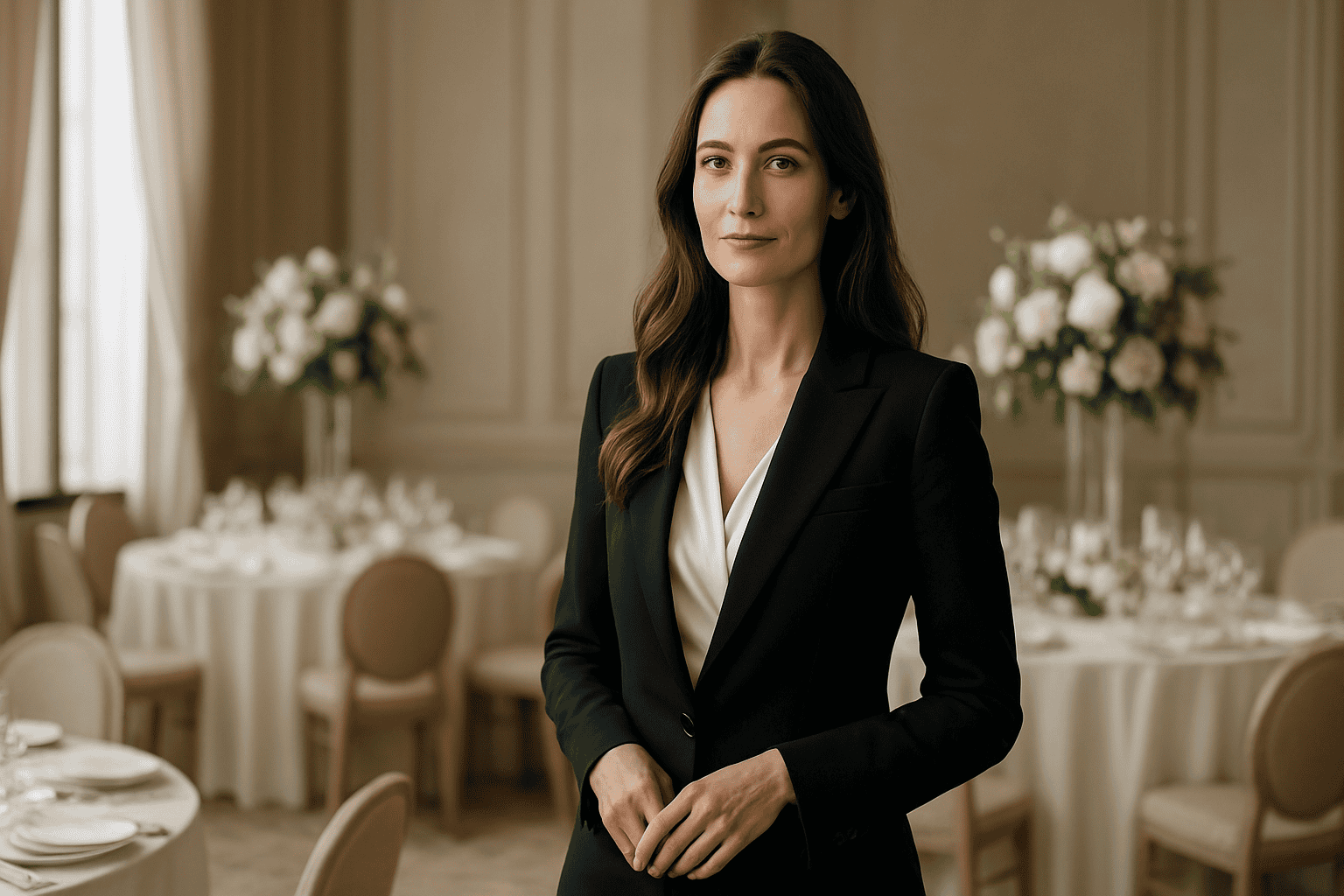
High-level corporate events - elegance and storytelling with ChiaraB Events
High-end corporate events: when elegance and storytelling become strategy
A corporate event is not just an appointment on the calendar: it is a moment in which identity, reputation and relationships take shape in front of real people. In high-end corporate events, every detail communicates: the choice of location, the rhythm of the evening, the set design, the direction of the content and even the way guests are welcomed.
With ChiaraB Events, the goal is to build experiences that combine elegance e storytelling in a way that is consistent with the brand, avoiding “standard” solutions and aiming for a result that is immediately perceived: an event that flows, engages and leaves a clear memory.
If you are planning a launch, a formal dinner, a meeting with international guests or a moment of corporate celebration, here you will find a complete guide to help you navigate creative and operational choices, with a professional and refined approach.
Storytelling in corporate events: from brand narrative to directing the experience
Storytelling in corporate events does not coincide with “telling a story” in an abstract way. It means translating the brand’s values into experience sequences: what guests see, hear, touch, taste and share.
An effective narrative does not weigh the event down: it makes it readable. It allows invitees to understand why they are there, what the company represents in that context and what message should remain after the last handshake.
The common thread: theme, tone and visual consistency
A high-end corporate event requires a common thread clear, capable of combining aesthetics and content. There is no need for a “theatrical” theme at all costs: often it is enough to define a tone (institutional, celebratory, innovative, intimate, international) and make it recognizable at every touchpoint.
- Visual identity consistent with the brand (palette, materials, signage, invitations).
- Copy and messages aligned (welcome, speech, room materials).
- Rhythm designed to maintain attention and comfort (timing, breaks, highlight moments).
Direction: what makes the event “high-end” even without excess
The level of an event is perceived above all in the direction: smooth transitions, schedules respected, coordinated staff, guests guided without friction. Elegance is not an ornament, it is absence of friction. When everything works, the experience feels natural, but behind it there is precise planning.
Elegance in corporate events: design, atmosphere and details that speak
“Elegance” is a word often used, but in high-level corporate events it has a concrete meaning: measured choices, consistent materials, correct proportions, lighting that enhances, sounds that don’t intrude, setups that don’t get in the way.
The point is not to impress with excess, but to build an atmosphere that reflects the company’s positioning and makes guests feel at ease. Elegance is also respect for the context: a historic venue requires a different language than a contemporary space or an urban rooftop.
Set design and staging: when form supports the message
In corporate events, the setup must not just “fill” a space: it must guide the eye and facilitate key moments (welcome, networking, speeches, dinner, toast, photo opportunity). The staging becomes a narrative frame: discreet, yet recognizable.
For specific elements (materials, finishes, accessories, colors), check the product sheet if you are selecting components from a catalog or already available solutions.
Lighting, music and rhythm: the perception of the event passes through here
Two events can have the same program, yet feel completely different in how they are “experienced” by guests. Light defines the atmosphere and music shapes the rhythm: they are storytelling tools, not simple add-ons.
- Lights: they enhance faces, tables, sets and stage moments.
- Audio: ensures clarity for speeches and comfort during networking and dinner.
- Timing: avoids dead time and makes every transition natural.
Types of premium corporate events: formats and objectives
High-level corporate events change shape depending on the objective. Defining the right format means protecting the experience: an unsuitable format can make even the best creative idea feel “heavy.”
Gala dinners and formal dinners
Perfect when the goal is to strengthen relationships, thank partners, celebrate a milestone or welcome distinguished guests. Here what matters is welcome protocol, time management and attention to atmosphere. Dinner is not just a service: it is a relational stage.
Product launches and brand presentations
A launch works when the narrative is clear: what changes, why it matters, what the guest should remember. The event design must support the message without overpowering it, with moments designed for sharing and the press (when present).
Conferences, talks and institutional meetings
When the event revolves around content, the priority is usability: visibility, audio, comfort, agenda. Here too, elegance plays a role: a well-crafted, coherent setup increases authority and attention.
Openings, anniversaries and corporate celebrations
Celebrations are identity-defining moments: they tell the company’s story and its vision. Storytelling can emerge through a timeline, testimonials, installations, video content or scenic details that echo the internal culture.
Corporate event planning: method, timeline and guest management
A high-level event can’t be improvised. You need a method that combines creativity and operations, with a clear timeline and defined responsibilities. Perceived quality often comes from what the audience doesn’t see: coordination, checks, contingency plans, internal communications.
Brief and objectives: the basis for quick, consistent decisions
A well-structured brief reduces revisions and indecision. In particular, it’s useful to clarify:
- Main objective (relationships, positioning, launch, celebration, content).
- Guest profile (stakeholders, clients, partners, press, team).
- Tone of the event (institutional, informal, celebratory, international).
- Key messages to bring out naturally.
Guest experience: welcome, flows and comfort
Guest experience is the set of micro-moments that determine the final perception. An event can be beautiful, but if the guest doesn’t know where to go, waits too long or doesn’t feel looked after, the elegance breaks.
For this reason, planning includes aspects such as:
- Welcome and entrance management.
- Signage and wayfinding.
- Networking spaces well distributed.
- Break moments and transitions between activities.
Plan B and managing the unexpected: discretion and control
In premium corporate events, managing the unexpected must be invisible. A backup plan is not pessimism: it is care. From logistics to stage timing, all the way to last-minute changes, the goal is to keep the experience stable and consistent.
Team, suppliers and coordination: quality is born from synergy
A high-level event is teamwork. The difference is made by coordination: clear roles, essential communications, operational checks and a direction that holds creativity and timing together.
When selecting partners and suppliers, it is useful to prioritize those who understand the corporate language and know how to work with discretion, respecting the brand image and the sensitivity of the guests.
To learn more about the method and the creative approach, you can also consult ChiaraB Events and the section dedicated to services for corporate events.
Luxury corporate event venues: how to choose the right space
The venue is a message. Even before it begins, it tells guests what kind of experience awaits them. There is no “perfect venue” in absolute terms: there is the space best suited to the concept, the audience and the rhythm of the event.
Consistency with the brand and with the type of guest
A minimal, contemporary space can communicate innovation; a historic residence suggests tradition and prestige; an urban terrace evokes dynamism and contemporaneity. The important thing is that the choice is intentional and supported by setups and direction.
Functionality: routes, acoustics and operational areas
Beauty is not enough: a space must “work”. Clear routes, technical areas, service points and an intelligent layout directly affect comfort and timing. If you are evaluating specific elements for the setup, check the product sheet compatibility with the space and the intended use.
Communication before and after the event: invitations, content and follow-up
A high-level corporate event begins before guests arrive and continues afterward. Communication is part of the experience: it sets expectations, provides useful information and extends the value of the meeting.
Invitations and save the date: tone and clarity
A well-written invitation is not just aesthetics: it is a first sign of care. It must be clear, consistent with the tone of the event and respectful of guests’ time. Language, too, is design.
Content during the event: photos, videos and “shareable” moments
Content production can be conceived elegantly, without turning the event into a set. A few key points (welcome, speech, toast, installations) can become iconic and easily tellable moments, useful for internal and external communication.
After the event: thanks and relationships
The follow-up is often what turns an event into a relationship. A thank-you message, a selection of images or a recap of the content can strengthen the bond and make the experience memorable even days later.
Details that elevate a corporate event: welcome, mise en place and settings
In premium events, details are not “decorations”: they are tools of perception. The guest notices the care when everything is harmonious, when materials speak to each other, when the mise en place is consistent with the set design, and when the welcome is seamless.
Some elements that often make the difference:
- Welcome experience calibrated to the context (discreet, yet present).
- Table setting consistent with palette and concept.
- Photographic settings integrated, not intrusive.
- Micro-moments thought out (a toast, a lighting cue, a change of atmosphere).
If you are choosing specific components for the setup, check the product sheet finishes, variants, and availability.
Useful links to plan a corporate event with ChiaraB Events
To explore inspirations, services, and approaches, you can visit:
- Corporate event portfolio to see the style and variety of the projects.
- Contact to request an initial consultation and share the brief.
- Blog for insights on elegance, design, and event organization.
CTA: take your corporate event to the next level with ChiaraB Events
If you want a high-level corporate event in which elegance e storytelling they are part of a single direction, rely on ChiaraB Events: from the creative idea to operational management, every choice is guided by consistency with your brand and attention to the guest experience. Visit ChiaraB Events and discover how to turn the next company engagement into a memorable moment.
FAQ
What does it mean to organize a high-level corporate event?
It means designing an experience consistent with the brand, crafted down to the details and managed with direction: welcome, flows, set design, content, and coordination must feel natural for the guest.
How do you integrate storytelling into a corporate event without making it feel artificial?
We start from objectives and key messages and translate them into concrete choices: the tone of the invitation, visual identity, agenda, stage moments, and atmosphere. The narrative emerges from consistency, not from forced effects.
What are the most suitable formats for a premium corporate event?
It depends on the objective: gala dinners and formal dinners for relationships and prestige, product launches to communicate new developments and positioning, meetings and talks for content, anniversaries for corporate identity and culture.
How to choose the venue for a luxury corporate event?
The venue should be chosen for consistency with the brand and for functionality: clear routes, spaces for networking, technical areas, and comfort. Beauty is important, but it must support the experience and the direction.
Which details really make the difference in guests' perception?
Seamless welcome, discreet signage, consistent mise en place, well-calibrated lighting and audio, transitions without dead time and thoughtfully designed micro-moments (toasts, atmosphere changes, integrated photo settings).
From the blog
 Tips
Tips
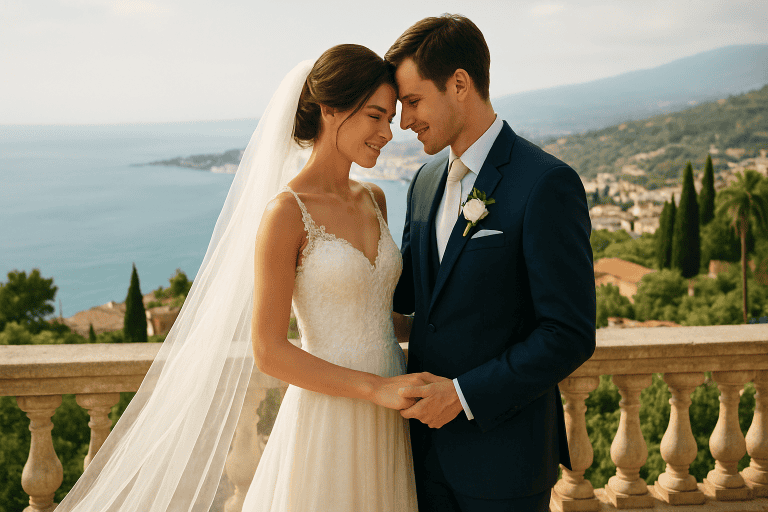
Getting married in Sicily in Summer - Pros and Cons
Getting married in Sicily in summer: what it really means (beyond the dream photos) Choosing to get married in Sicily in summer is not […]
Read more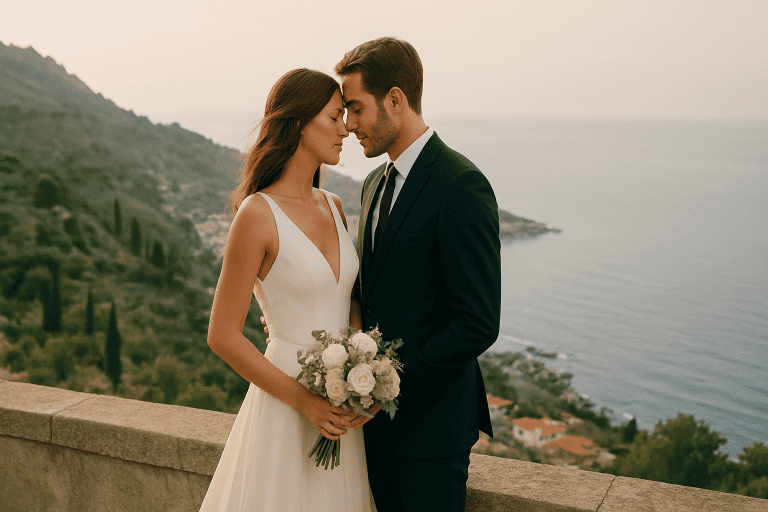 Tips
Tips
Sicily for Intimate and Micro-Weddings - Ideas and Tips
An intimate wedding is not a “reduced version” of the big day: it is a different way of experiencing it. In Sicily, the idea […]
Read more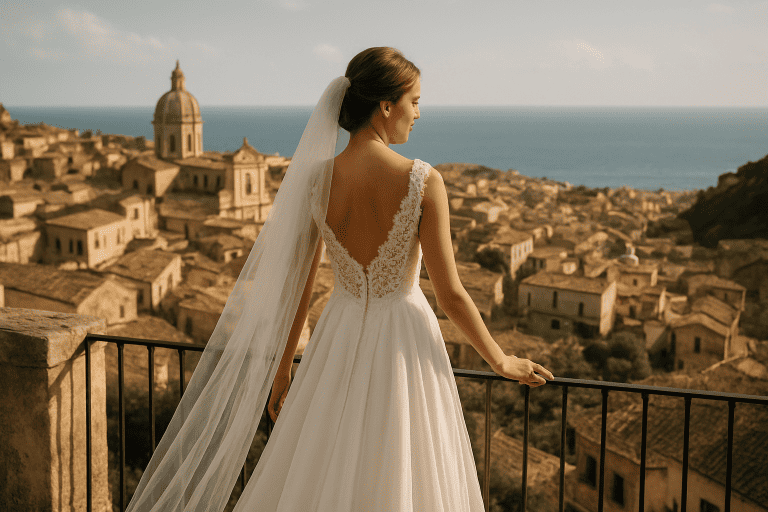 Tips
Tips
How to Organise a Wedding in Sicily from Another Region
Organizing a wedding in Sicily while living in another region is an exciting project, but it requires method: distance, response times, […]
Read more