
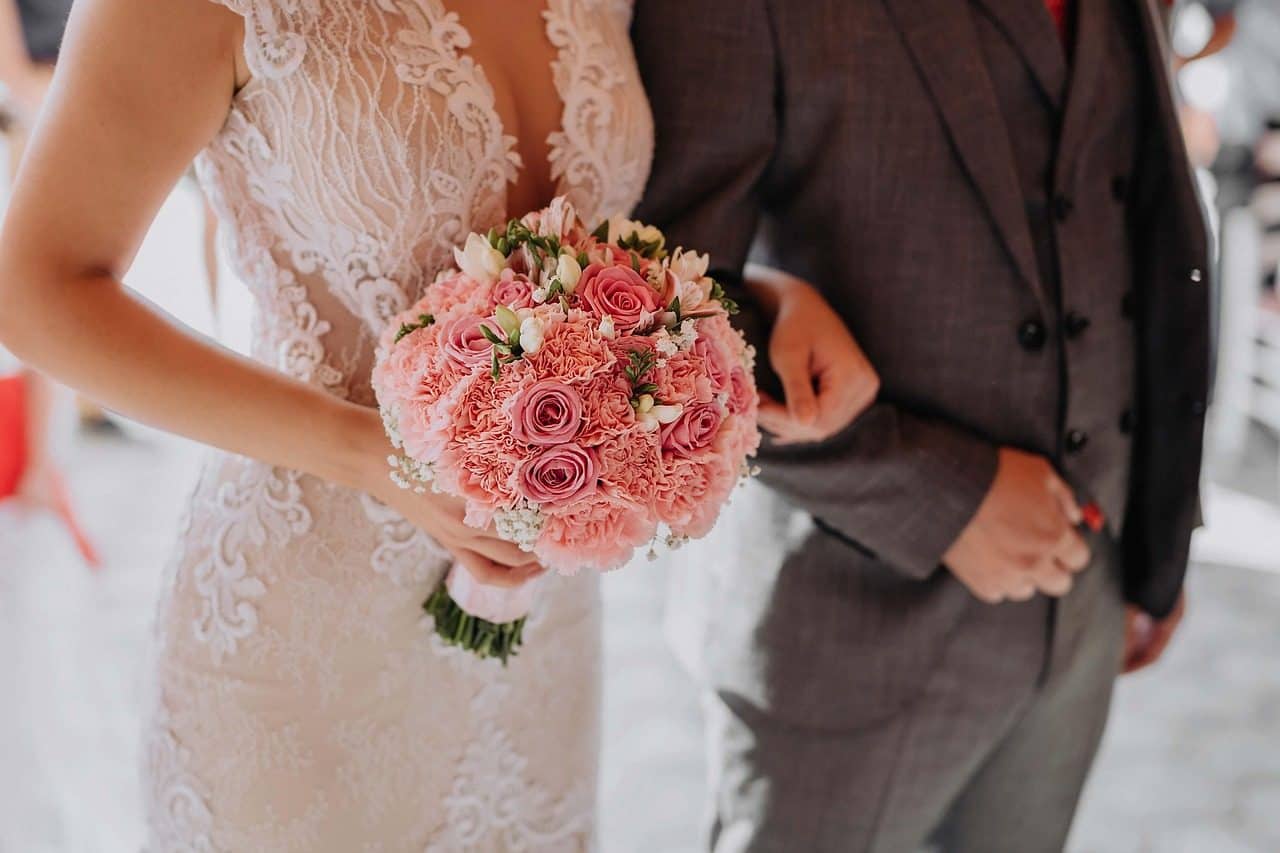
Guide to Elopement Weddings in Italy – Where and How to Organize It
What is an elopement wedding and why choose it in Italy
A elopement wedding is a intimate wedding, often designed for two (or with very few guests), where the focus shifts from the traditional “big day” to an authentic, personal, and deeply yours experience. It is not an impromptu escape: in most cases, it is a conscious choice, carefully detailed and built around what represents you.
L'Italy is one of the most desired destinations for elopement: iconic landscapes, villages, lakes, mountains, coasts, and art cities allow for creating a unique visual and emotional story. Moreover, the variety of settings makes it possible to design a tailor-made experience: from a symbolic rite in a garden at sunset, to an intimate ceremony in a village, to an adventure among alpine trails and panoramas.
If you’re also considering a wedding with a few guests, it may be helpful to explore the difference between an elopement and a micro wedding: Elopement vs micro wedding: what really changes.
Elopement wedding in Italy: where to plan it (regions and settings)
Choose where to plan an elopement wedding in Italy means finding the place that reflects your style and the kind of experience you want to live. More than “the perfect venue,” look for the right context: light, atmosphere, privacy, logistics, and season completely change how a place feels.
Lakes: elegance, water, and cinematic views
Italian lakes are ideal for those who dream of a refined elopement, with romantic settings and unhurried timing. The water creates soft reflections, the light is often gentler, and the atmosphere invites slow moments: an intimate ceremony, a boat ride, a toast on a terrace.
- Perfect for: couples who love understated elegance and classic views.
- To consider: managing travel and the more crowded areas during peak season.
Coasts and islands: wind, sunsets, and Mediterranean vibes
If you want a more sensory and “free” elopement, coasts and islands offer intense colors, the scents of Mediterranean scrub, and spectacular sunsets. Here the mood can become more informal while still being curated: feet in the sand or dramatic cliffs, natural details, warm palettes.
- Perfect for: couples who want an energetic, bright experience with a wild-chic touch.
- To consider: wind, humidity, and the accessibility of some coves or viewpoints.
Villages and hills: intimacy, authenticity, and a slow pace
For many couples, elopement is synonymous with intimacy. Italian villages and hills (among vineyards, olive groves, and scenic roads) are perfect for a cozy experience: a ceremony in a courtyard, a walk through alleyways, a dinner in a place with local charm.
- Perfect for: those who love the most authentic and story-driven “Italian” atmosphere.
- To consider: parking, access permits in some areas, and distances between photo spots.
Mountains: silence, clean air, and epic scenery
A mountain elopement is for those seeking simplicity and a big visual impact. Silence becomes part of the ceremony, the views amplify the emotion, and every detail must be planned around weather and travel. The result, however, can be extraordinarily intense.
- Perfect for: adventurous couples or nature lovers.
- To consider: changeable weather, suitable shoes and clothing, realistic plan Bs.
Art cities: style, architecture and urban storytelling
If you’re inspired by architecture, squares, arcades, glimpses and timeless atmospheres, an art city can become the perfect set. An urban elopement works beautifully with a dynamic photographic story: getting ready at the hotel, an intimate ceremony, a walk through historic streets, an evening toast.
- Perfect for: couples who love aesthetics, fashion and a more metropolitan pace.
- To consider: tourist flows and careful choice of times to have more privacy.
How to organize an elopement wedding: a practical step-by-step path
Organizing an elopement doesn’t mean doing “less”: it means doing better and more targeted. Every choice must support the experience and remove the superfluous. Here is a clear path to build an elopement wedding in Italy with method and peace of mind.
1) Define your idea of intimacy
Even before talking about location, clarify what makes this moment “yours”. Some useful questions:
- Do you want it to be just the two of you or with very few people?
- Do you prefer an adventurous or elegant atmosphere?
- Do you envision a symbolic rite, a private vow, a ceremony with an officiant?
- How important is privacy to you?
These answers guide everything: places, times, style, logistics and the rhythm of the day.
2) Choose the time of year based on light, weather and crowds
The season affects light, colors, temperatures and the presence of people. In many areas, changing the month (or even just the day of the week) can transform the experience. If you have a place close to your heart, consider nearby alternatives to keep the same mood with less complexity.
For an overview of how to plan timing and key moments, you can consult: Ideal timeline for an intimate wedding.
3) Build a mini schedule for the day
One of the keys to an elopement is rhythm: no rushing, but no dead time either. An essential outline can include:
- Preparations (without rushing, in a bright and comfortable place)
- First look (if you like the idea of seeing each other in a private moment)
- Ceremony (symbolic or with an officiant, in a meaningful place)
- Photo session (walk, viewpoint, historic center, beach)
- Toast or dinner (a gastronomic experience consistent with the chosen style)
The timeline isn’t meant to make things rigid: it’s meant to protect the experience and let you live every moment with presence.
4) Choose vendors used to intimate events
In an elopement, every professional must know how to work with discretion and sensitivity: there isn’t a crowd to “fill” the scene, and every detail carries more weight. Look for those who know how to create atmosphere, handle the unexpected, and enhance your story without forcing it.
If you want full support in the planning, you can learn more: Elopement wedding planning services in Italy.
5) Think of a plan B that doesn’t feel like a fallback
Weather and logistics can change plans. A good plan B isn’t “we’ll adapt and that’s it”: it’s an alternative consistent with the mood, already envisioned and ready. It can be an elegant portico, a bright room, a sheltered garden, or a change of time to chase the best light.
Ideas for a truly personal elopement ceremony
The heart of the elopement is the ". You don’t need to add “things”: you need to choose gestures that feel like you. Some ideas (simple but powerful) to make the ceremony memorable: customisationVows written by you
- : even just a few lines, if authentic, change everything.Letters to read
- before the ceremony, in a private moment. (for example with natural elements from the place): consider what is suitable for the context.
- Symbolic ritual : a track that represents you, even just for the entrance or the toast.
- MusicA family heirloom
- or a “from home” detail to feel grounded even far away. If you’re looking for inspiration on style and details, you can read:
Se state cercando ispirazione su stile e dettagli, potete leggere: Ideas and inspiration for an intimate wedding.
Looks, flowers and details: how to create a cohesive aesthetic without overdoing it
In an elopement wedding, the aesthetic works when it is In luxury, the scenic effect is not just “big”: it is in harmony with the place and with you. The goal isn’t to “put on a show,” but to create a harmonious whole that translates into emotion and natural images.
Outfits and accessories: comfort and movement
A dress can be spectacular and at the same time practical, if chosen carefully. Consider:
- Movement: will you be walking? climbing up to a viewpoint? entering a village with steps?
- Temperature: plan an elegant layer (cape, stole, jacket) if needed.
- Shoes: you can have a “statement” pair and a more comfortable backup.
Flowers and palette: less quantity, more intention
For an elopement, a few well-thought-out elements are often enough: bouquet, boutonnière, a small essential setup for the vows moment. The palette can echo the colors of the landscape (sage green, sand, terracotta, lake blue, stone white) for a natural result.
Details that create atmosphere
Small touches can elevate the experience without weighing it down:
- Stationery minimal (printed vows, place cards for an intimate dinner)
- Candles or lights for an evening moment (check what is allowed at the location)
- Picnic or toast at a scenic spot, if logistically feasible
Photo and video for an elopement wedding: how to get a natural story
An elopement is perfect for authentic photographic storytelling: there are fewer interruptions, more time to breathe, more space for real emotions. To get a natural story, focus on three aspects:
- Timings: soft light (early morning or late afternoon) and less crowded places help a lot.
- Experience: include activities you would actually do (a walk, a coffee, a boat ride, a toast).
- Discretion: choose professionals who know how to guide you without constantly “posing” you.
If you’re also interested in the video storytelling aspect, you can consider: How to choose photos and videos for an intimate wedding.
Logistics and hospitality: how to make everything simple (even for those who travel)
Many couples choose an elopement in Italy by traveling from abroad or from another region. In this case, logistics become an integral part of the project: it shouldn’t weigh on you, but support the experience.
Strategic accommodation
Choose accommodation that also works as a “set” for getting ready: natural light, tidy spaces, a consistent atmosphere. Sometimes a well-chosen place is more effective than a complex location that’s hard to reach.
Travel and realistic timing
Build in buffers between one moment and the next. In an elopement, the feeling of calm is a luxury: protect it with realistic timing and simple routes.
If there are a few guests
With 2–10 people (or in any case a small group), take care of the welcome: a clear meeting point, simple directions, a convivial moment after the ceremony. Here too, the goal is the quality of time together.
Useful links to plan your elopement wedding in Italy
- Essential checklist for an intimate wedding
- Location ideas and settings in Italy
- Contact the team for a consultation
Questions to ask yourselves before choosing the elopement location
Before you fall in love with a photo, take one more step: a location that’s perfect on Instagram isn’t always perfect for you. Here are some practical questions that help you decide clearly:
- How important is privacy? If it’s essential, consider less frequented times and areas.
- What kind of experience do you want to have? Adventure, elegance, relaxation, culture: every choice should be consistent.
- What is the light like at the chosen spot? A view can change completely between morning and sunset.
- How easy is it to get there? Especially if you have important outfits or delicate accessories.
- Do you need a plan B? If so, it has to be as beautiful as plan A.
A well-designed elopement wedding: the experience first and foremost
The best part of an elopement wedding in Italy is that you can build a day that truly feels like you: a few elements, chosen well, in a place that moves you. When every decision is coherent (setting, pace, details, photographic storytelling), the elopement becomes more than a wedding: it becomes a memory that will stay with you forever.
Do you want to turn your idea into a concrete plan? Discover the style and approach of ChiaraB Events and let yourself be guided in creating a bespoke elopement: ChiaraB Events.
FAQ
Elopement wedding: does it mean getting married in secret?
Not necessarily. Today, an elopement wedding is often a conscious choice: an intimate, carefully planned wedding centered on the couple, with or without a few guests.
How many guests can you have at an elopement wedding?
It depends on the style you want: some couples are just the two of them, others include very few people. If you want a clear guideline, consider whether your project looks more like an elopement or a micro wedding.
What is the difference between an elopement and a micro wedding?
Elopement is designed primarily for the couple and the experience; the micro wedding maintains a structure more similar to a traditional wedding but with a reduced number of guests.
Do you need a wedding planner to organize an elopement in Italy?
It’s not mandatory, but it can make a difference in coordinating the venue, vendors, timing, and plan B, especially if you’re traveling or if you want a smooth, stress-free experience.
How to choose the best location for an elopement wedding in Italy?
Start with mood and priorities (privacy, view, accessibility, season), then assess the light at different times and plan a consistent plan B. If an operational detail is not certain, check the product sheet or the location information.
How long in advance should you start planning an elopement?
It depends on the season, destination, and supplier availability. In general, it’s helpful to start as soon as you’re clear on the style and the period, so you can calmly choose the venue and creative team.
From the blog
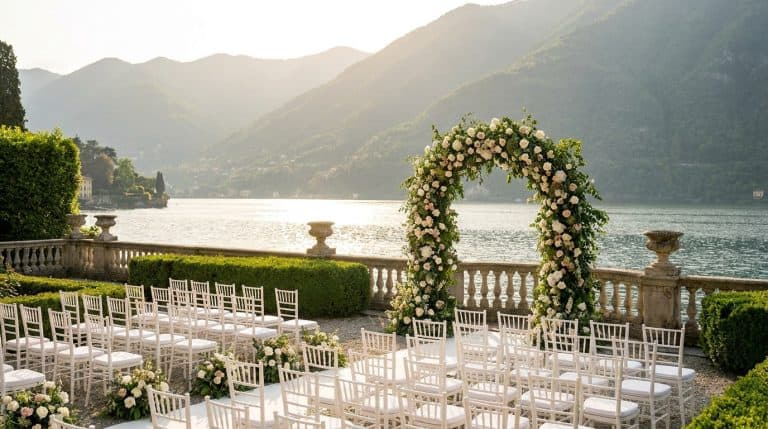 Wedding
Dream Wedding on Lake Como - The Most Exclusive Locations
A wedding on Lake Como is an idea that combines iconic scenery, top-level hospitality, and a naturally cinematic atmosphere. […]
Read more Tips
Tips
Wedding Ideas: Trends and Tips for a Perfect Wedding
Organizing a wedding today means choosing among endless possibilities without losing sight of what really matters: telling your […]
Read more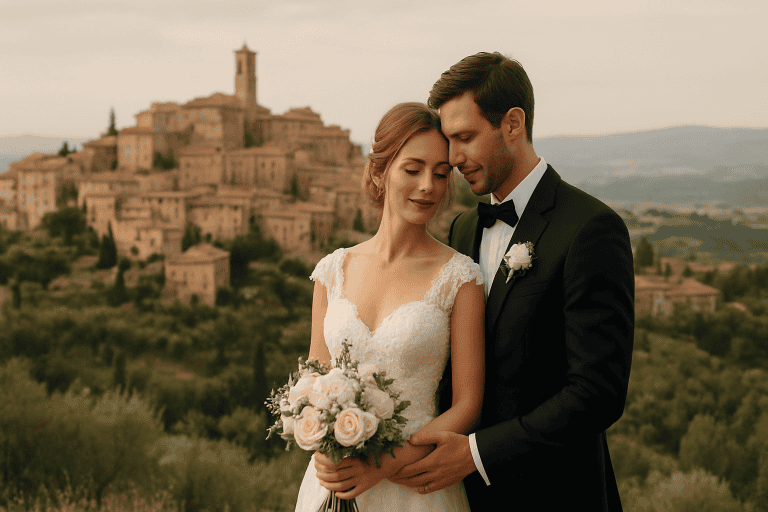 Wedding
Luxury Wedding in Montepulciano - History and Romantic Atmosphere
Luxury wedding in Montepulciano: Tuscan elegance between history and romantic atmosphere Montepulciano is one of those places that seem born […]
Read more