

Equal marriage and civil unions – differences, rights and practical advice
Equal marriage and civil unions: what really changes in couple life
When it comes to equal marriage e civil unions, the comparison often boils down to a blunt question: “are they the same thing?”. In practice, however, the differences are not just in name: they affect rights, duties, protections and also how you plan a life path (and, for those who want it, a celebration).
In this article you’ll find a clear, practical guide: what they are, what changes in terms of rights, which documents or steps are worth checking, and how to organize a symbolic moment or a party that truly reflects the couple, without stereotypes.
Definitions: civil unions and equal marriage in simple words
To get your bearings, it helps to separate the concepts:
- Civil union: it is a legal institution designed to recognize and protect a couple, with a formal process of establishment and a series of legal effects.
- Equal marriage: it is the idea (and, in countries where it is provided for, the possibility) that marriage is accessible to same-sex couples with the same rights and duties as heterosexual couples.
In Italy, the painting can be perceived as “close” but not overlapping: for this reason it is important to consider what the couple needs (protections, recognition, asset management, family plan) and not only about how the label “sounds”.
Differences between civil union and marriage: rights, duties and protections
The differences can touch on several areas: status, recognition in different contexts, administrative procedures and some practical consequences in everyday life. Since the subject can change over time and some situations depend on the specific case, the advice is always to check with the municipality or with a professional before making important decisions.
Status and social recognition
Beyond the legal aspect, there is a matter of social recognition. Many couples look for a term that fully expresses their identity and their story. For some, civil union is a milestone; for others, it is a step that does not match the idea of “marriage” they want to live and tell.
Rights and duties in everyday life
When it comes to protections, the useful question is not “which is better?”, but “what protections do I need and how can I ensure them?”. In general, the most relevant areas include:
- mutual assistance and recognition of the bond in delicate situations;
- asset management and organization of the couple’s economic life;
- succession and protection of the partner in case of unforeseen events;
- residence, cohabitation and life choices that require deeds or declarations.
Every couple has different priorities: those who already share a home, those who manage separate businesses or assets, those who have children or a parenting plan, those who live between different cities. The choice of path should start from here.
Children, parenthood and family planning
The topic of parenthood is often central and also the most sensitive. The possibilities and paths may depend on various factors (personal history, previous situation, recognitions, any measures). To avoid unrealistic expectations, it is advisable to set up the plan with a practical approach:
- clarify what family goals you have in the short and long term;
- assess how to protect the partner and minors in everyday choices (school, healthcare, travel);
- seek a qualified opinion when the issue becomes legal or requires specific deeds.
Documents and practical steps: what to prepare before choosing
Before starting a formal process, it is useful to do an orderly check. There is no need to turn love into bureaucracy, but prepare well avoid stress and last-minute rushing.
Essential checklist for the couple
- Personal documents updated and consistent (personal data, residence, any recent changes).
- Marital status and previous situations to clarify in advance.
- Property choices: assess whether you want to set up shared management or keep separate assets.
- Wills, proxies, instructions: they are not romantic topics, but they are often the most protective.
For operational details (timelines, forms, requirements), the most reliable source remains the competent office: each area may have different practices and appointment schedules.
Organizational tip: decide the “why” first, then the “how”
Many couples start with the question “what do we have to do?”. A more effective approach is to reverse the order:
- Why do we want to formalize? (protections, family, visibility, peace of mind)
- What kind of moment do we want to experience? (intimate, public, symbolic, institutional)
- Who do we want to involve? (family, friends, community)
From here you build everything else: communication, budget, event style, location, and timing.
Ceremony, symbolic rite and celebration: how to celebrate authentically
Regardless of the path chosen, the celebration can be a very powerful moment: not “a copy” of others’ models, but a tailor-made story. The key point is to avoid the standard effect and focus on consistency: between the couple’s personality, the tone of the event, and the messages you want to convey.
Civil, symbolic or combined rite: choosing the right format
Some couples prefer essential formality and then a party; others want a narrative rite, with readings and personalized vows. In many cases a “combined” formula works:
- institutional moment simple and well organized;
- symbolic moment with texts, music and contributions chosen with care;
- party that truly reflects your way of being together.
If you are considering professional support, you can explore the planning approach at how to organize a personalized ceremony and understand which choices make the event smoother and less stressful.
Vows and speeches: avoid clichés and speak in your own voice
Vows work when they are specific. You don’t need to write “perfect”: you need to write “true”. A simple method:
- tell an episode that represents you;
- name what you admire about the other person;
- make 2–3 concrete promises (care, listening, plans);
- close with a sentence that truly belongs to you.
If the family is large or there are different sensitivities, decide in advance who speaks and for how long, so as to avoid improvisations that can make people uncomfortable.
Setups and details: inclusivity without a mandatory “rainbow theme”
Inclusivity doesn’t necessarily mean turning everything into a symbol. You can choose a neutral, elegant, minimalist palette, or include subtle references. The important thing is that every detail is a choice, not an obligation.
For inspiration on style, colors and visual coherence, you can read ideas for elegant and modern setups and adapt them to your context.
Practical tips for managing guests, families and communication
The most delicate part, often, isn’t logistical organization: it’s managing relationships. Clear communication reduces tension and misunderstandings.
Invitations and wording: how to write without ambiguity
In invitations, aim for simple and respectful text. Some useful tips:
- use your names as you want them to be pronounced and written;
- state the type of event (ceremony, toast, party) and the tone;
- if there are practical details (dress code, times, accessibility), write them directly.
For examples of tone and structure, it can be helpful to consult a guide to wording for announcements and invitations.
Handling “difficult” relatives without ruining the moment
When resistance or inappropriate remarks come up, it helps to have a shared strategy. Three practical rules:
- decide on boundaries together (what is negotiable and what isn’t);
- delegate to a trusted person the management of any tensions during the day;
- plan breathing moments for the couple (even just 10 minutes away from everyone).
If you’re wondering how to make the event run more smoothly, you can read more about how to build a timeline that reduces stress and unexpected issues.
Venue, vendors, and style: how to choose without unnecessary compromises
The quality of an event doesn’t depend on “doing a lot,” but on doing the right things for you. When choosing a venue and vendors, look for signs of listening and respect: they’re often more important than any portfolio.
Questions to ask venues and vendors
- How do you handle customizing the ceremony and the spaces?
- What is your approach to non-standard requests?
- Who is the operational point of contact on the day of the event?
- Are there any constraints on music, schedules, setups, or access?
No need to go into technical details: it’s enough to understand whether on the other side there is flexibility and problem-solving ability.
Dress code and look: freedom, comfort, and coherence
A couple’s look works when it makes you feel comfortable. You can choose coordinated, complementary, or completely different outfits. If you’re considering accessories or details, check the product sheet for any indications on materials, fit, and care.
Travel and recognition abroad: what to consider before leaving
If you’re planning a trip after the ceremony or if you live between different countries, consider that the recognition of your status can change from place to place. Before buying tickets or booking important services, it can be useful to:
- check how documents and names are handled;
- verify any specific requirements for paperwork or declarations;
- plan a Plan B in case a procedure takes longer than expected.
For ideas on how to organize a couple’s experience consistent with the style of the event, you can read ideas for a tailored post-ceremony trip.
Useful links to learn more and plan with peace of mind
If you want to keep building your project methodically, here are some resources that can help you get clarity and make simpler decisions:
- Organizational checklist for couple events
- How to choose the venue based on the style of the ceremony
- Contemporary etiquette: welcoming, tables, and key moments
CTA: If you want a well-crafted, inclusive celebration built around your story, explore the ChiaraB Events selection: you’ll find inspirations and solutions designed to make every detail coherent, elegant, and truly yours.
FAQ
Are civil union and same-sex marriage the same thing?
No. Civil union is a specific legal institution; marriage equality refers to access to marriage for same-sex couples with equal rights and duties. For the framework applicable in your case, check with the Municipality or a professional.
What are the most important differences between civil union and marriage in everyday life?
The differences may concern status, certain protections, and the way situations such as assets, inheritance, and recognition in different contexts are handled. Since the details depend on the specific case and may change, a prior check is advisable.
Can a symbolic ceremony be held even if you choose a civil union?
Yes. Many couples complement the official moment with a symbolic ceremony featuring vows, readings, and music, tailored to them. It’s an effective way to make the day more personal and representative.
How to manage guests and family members with different opinions without stress?
It helps define shared boundaries, communicate clearly (especially in invitations), and delegate to a trusted person the management of any tensions during the event. A well-designed timeline also reduces room for unexpected issues.
What is advisable to prepare before starting a formal process?
It is useful to check personal documents and personal data, clarify any prior situations, and discuss as a couple the asset-related choices and protection priorities. For requirements and forms, always check with the competent office.
Is a civil union or marriage recognized in the same way abroad?
Not always. Recognition may vary depending on the country and the type of status. Before traveling or handling important matters, it is advisable to check how documents, names, and procedures are handled in the destination.
From the blog
 Wedding
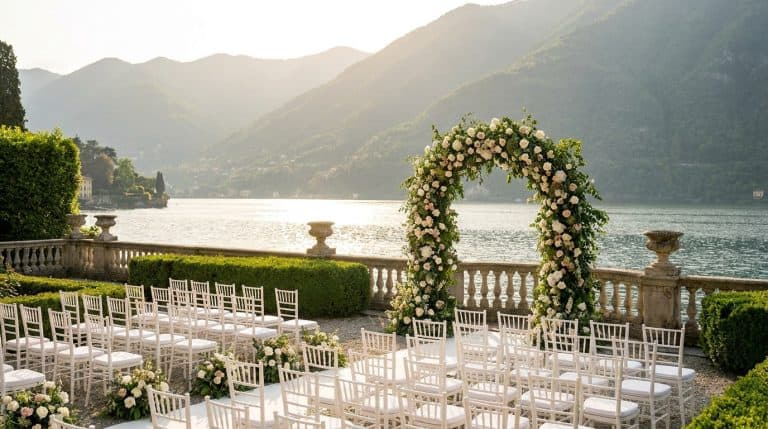
Dream Wedding on Lake Como - The Most Exclusive Locations
A wedding on Lake Como is an idea that combines iconic scenery, top-level hospitality, and a naturally cinematic atmosphere. […]
Read more Tips
Tips
Wedding Ideas: Trends and Tips for a Perfect Wedding
Organizing a wedding today means choosing among endless possibilities without losing sight of what really matters: telling your […]
Read more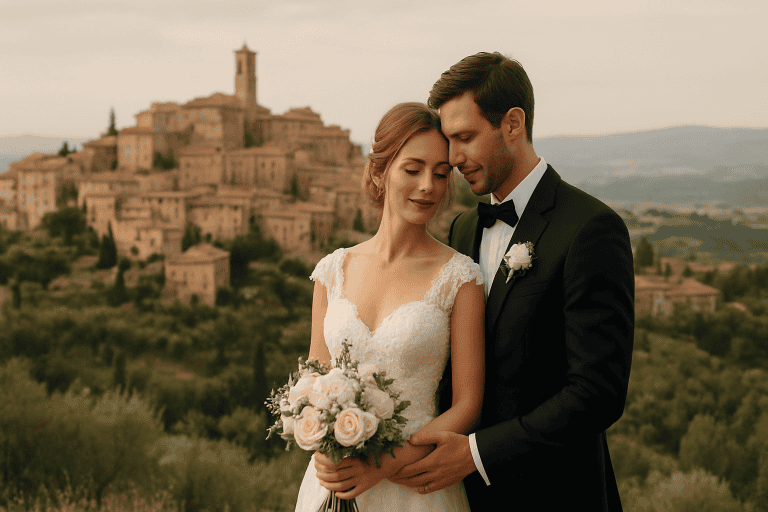 Wedding
Luxury Wedding in Montepulciano - History and Romantic Atmosphere
Luxury wedding in Montepulciano: Tuscan elegance between history and romantic atmosphere Montepulciano is one of those places that seem born […]
Read more