
Wedding Guide on Lake Como – Locations, Costs and Tips
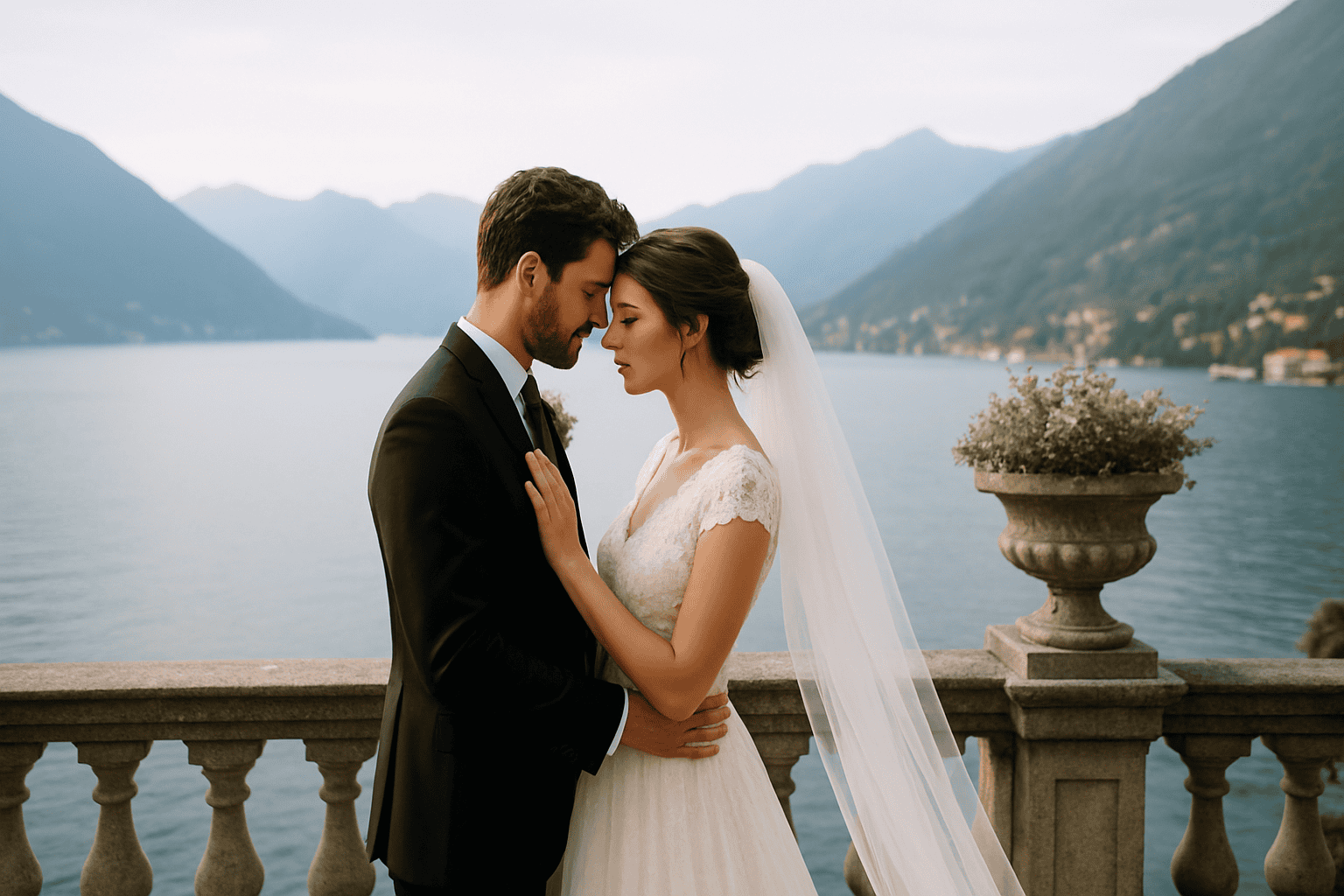
Getting married on Lake Como means choosing an iconic landscape, villas overlooking the water, and an elegant yet authentic atmosphere. However, to turn inspiration into a concrete project, a method is needed: understanding which locations reflect your style, planning logistics between shores and villages, and setting clear priorities to avoid rushed decisions. In this guide, you will find a practical overview on venues, costs (without figures) and tips to organise a wedding on Lake Como with peace of mind.
Wedding on Lake Como: how to choose the right venue
The venue is the heart of the experience: it influences timing, travel, mood, and even guests’ perception. Before you fall in love with a view, clarify three elements: event style, number of guests e plan B in case of changeable weather.
Historic villas, hotels, gardens and terraces: which setting tells your story
Lake Como offers very different settings. In general, you can use this as a guide:
- Historical villas: perfect for a classic, scenic aesthetic, with indoor spaces often suitable for more formal moments.
- Hotel with lake view: ideal if you want an “all-in-one” experience with hospitality and rooms for guests.
- Gardens and parks: great for outdoor ceremonies and aperitifs surrounded by greenery, with special attention to the weather plan.
- Panoramic terraces: scenic for sunset cocktails, often requiring careful management of flows and setups.
If you’re considering multiple options, it can help to compare capacity, covered spaces, time restrictions and customization possibilities: for the specific details check the product sheet or in the venue’s listing.
The areas of the lake and the impact on logistics and atmosphere
Each area has a different character: some more glamorous and photogenic, others more secluded and intimate. The choice affects transfer times, parking availability, ease of access for vendors and guests. If you’re planning multiple moments in different places (ceremony, reception, after party), consider realistic routes and “buffer” time to avoid delays.
To dive deeper into planning and the operational phases, you can consult the complete guide to wedding planning e the checklist for the wedding-day timeline.
Costs of a wedding on Lake Como: what really affects the budget
Talking about costs without figures is still useful if we understand which items weigh the most and how to manage them. On Lake Como the main variable is the combination of the venue’s exclusivity, logistical complexity, and the level of personalization required.
The main expense items (and how to keep them under control)
- Location and spaces: they often include different areas (ceremony, aperitif, dinner, cake cutting). Always ask what is included and what is extra: check the product sheet.
- Catering and beverage: they weigh heavily on the total and vary depending on the service style (cocktail, plated, stations). Choose a menu consistent with the event’s pace.
- Setups and flowers: the amount of decorative elements depends on the spaces; a location that is already “strong” may require fewer additions.
- Music and entertainment: live, DJ, special moments. Plan the key transitions (entrances, cake cutting, after-party) to avoid overlaps.
- Photos and videos: on the lake the light changes quickly; define in advance the times for the most important moments.
- Transport and logistics: shuttles, taxi boats, transfers between shores. It’s often the “invisible” item that makes the difference.
How to avoid surprises: three questions to ask before confirming
When you like a proposal, don’t stop at the wow effect. Ask:
- What is the plan B and how does the guests' experience change?
- What are the constraints about timings, music, and setups?
- Which services are included and which require external suppliers?
If you’re comparing multiple options, create a simple table with the same items for all of them: it helps you decide clearly, without being guided only by photos.
Practical tips for organizing a wedding on Lake Como without stress
A wedding on the lake is wonderful, but it requires attention to detail. Here you’ll find concrete tips that improve the experience and reduce unexpected issues.
Managing travel: shuttles, boats, and real-world timing
Lake Como is scenic precisely because it “moves”: panoramic roads, ferries, small towns with limited access. That’s why logistics must be designed as part of the event, not as a detail. If you plan transfers, give guests clear, single instructions (one meeting point, one time, one contact person). For available services and operating methods, check the product sheet.
Weather and Plan B: how to make it as beautiful as Plan A
Plan B must not be an “emergency solution”: it must be an alternative with the same aesthetic care. Evaluate in advance:
- covered spaces with natural light;
- dry routes between different areas;
- timing for changing the setup;
- guest comfort (temperatures, ventilation, lounge areas).
When Plan B is well designed, guests don’t perceive it as a fallback: they experience it as a choice.
Style and palette: enhancing the lake without “competing” with the view
The secret is balance: Lake Como is already a backdrop. Palettes inspired by natural colors (green, ivory, stone, dusty blues) and tactile materials (linen, glass, ceramic) work very well. If you want a more contemporary effect, go for clean lines and a few impactful elements, well placed.
For coordinated ideas and inspiration, you can read trends and mood boards for elegant weddings e how to choose flowers and setups based on the location.
Guests and hospitality: how to experience Lake Como in a memorable way
A wedding on Lake Como is often also a small trip. Hospitality makes the difference: no need to overdo it, just be clear and thoughtful.
Welcome, useful information and the event’s pace
Help guests find their way with simple communication: schedules, meeting points, directions for transfers, and a point of contact. If the event lasts several days, create a sustainable pace: intense moments alternated with breaks. The experience feels more elegant when it’s not “all rushed”.
Details that elevate the experience (without weighing down the budget)
- Discreet signage to guide guests through the spaces.
- Water and refreshment corner during the hottest hours or while moving between locations.
- Direction of moments: entrances, toasts, cake cutting, first dance with smooth timing.
- Evening lights to enhance gardens and terraces without “covering” the view.
Useful links to plan your wedding on Lake Como
If you want to explore some organizational aspects, these contents can help you bring order to priorities and choices:
- How to define the wedding budget and priorities
- Guide to choosing the location: questions and site visit
Call to action: organize your wedding on Lake Como with ChiaraB Events
If you want a project curated down to the details, with direction capable of combining aesthetics and logistics, discover the services and proposals by ChiaraB Events: we help you choose the location, coordinate suppliers, and build a Lake Como experience consistent with your style.
FAQ
What is the best time of year for a wedding on Lake Como?
It depends on the style you want and the availability of the locations. For an informed choice, consider light, perceived temperatures, crowd levels, and ease of getting around; always compare the options with the venue and check the product sheet for any conditions.
How to manage guests' transportation between the ceremony and reception on Lake Como?
Plan a single meeting point, realistic timings, and a dedicated point of contact. If you plan shuttles or lake transfers, define schedules and routes in advance and communicate everything clearly to guests; for operational details, check the product sheet.
Do you need a plan B for the outdoor ceremony on Lake Como?
Yes, because the weather can change quickly. Plan B should be designed with the same care as Plan A: bright covered spaces, comfortable routes, and direction that keeps the atmosphere intact.
How to choose between a historic villa and a hotel for a wedding on Lake Como?
The villa is ideal if you’re looking for a scenic setting and a highly personalized event; the hotel is convenient if you want to concentrate welcome and reception in a single venue. Always consider covered spaces, guest flow, and included services: check the product sheet.
What are the most common mistakes when organizing a wedding on Lake Como?
Underestimating logistics, not allowing buffer time, choosing the venue only for the photos, and neglecting a weather plan B. It also helps to define clear priorities (what is really important to you) before allocating the budget.
From the blog
 Tips
Tips
Wedding Ideas: Trends and Tips for a Perfect Wedding
Organizing a wedding today means choosing among endless possibilities without losing sight of what really matters: telling your […]
Read more Tips
Tips
Getting married on Lake Garda: the perfect wedding between water and mountains
Between luminous shores, stone villages, and mountain profiles that change color with the sun, getting married on Lake Garda […]
Read more Tips
Tips
Getting married at the Tonnara di Scopello - History and Charm of a Unique Location
Tonnara di Scopello: a wedding venue between history, sea, and stone Choosing to get married at the Tonnara di Scopello means […]
Read more