

Wedding Planner or Wedding Designer? Differences and How to Decide
Wedding Planner or Wedding Designer: real differences (without confusion)
Understanding whether you need one wedding planner or one wedding designer is not a detail: it changes the type of support you will receive, the way decisions will be made, and even the peace of mind with which you will arrive at your wedding day. Often the two roles are used as synonyms, but in practice they meet different needs.
In this guide you’ll find a clear distinction, concrete examples, and a simple method to decide based on your style, the time you have, and the type of wedding you want to create.
What a Wedding Planner does: direction, organization, and coordination
The wedding planner is the professional who takes care of the overall management of the wedding project. Their goal is to turn an idea (even a vague one) into a workable plan, keeping consistency between priorities, timelines, and operational choices.
Typical activities of a wedding planner
- Defining the work plan: milestones, deadlines, order of decisions.
- Selecting and coordinating vendors: contacts, comparison, alignment among the team.
- Logistics management: flows, schedules, transfers, key moments of the day.
- Coordinating the event day: presence and supervision to make everything run smoothly without hiccups.
If you want to learn more about how to set up stress-free planning, you may find our wedding timeline guide.
useful
What a Wedding Designer does: concept, style, and emotional scenography creative directionThe wedding designer works on the
: defines the wedding’s visual and sensory identity and translates it into coherent aesthetic choices. It’s not just about “decorations”, but a style project that brings together colors, materials, lighting, setups, and details.
- Concept and moodTypical activities of a wedding designer
- : theme, palette, atmospheres, visual language.: ceremony, tables, lounge areas, corners, signage.
- Consistency of details: invitations, menus, seating chart, flowers, textiles, lights.
- Guest experience: how the space is “experienced”, not just how it looks in photos.
If you’re interested in the creative side, you might find inspiration in ideas for an elegant and contemporary wedding.
Wedding Planner vs Wedding Designer: key differences at a glance
To choose well, it’s useful to distinguish function e result. Both roles can collaborate, but their focus is different.
- Main focus: the wedding planner manages the “how”; the wedding designer defines “how it should look and feel”.
- Daily decisions: the planner works on priorities, scheduling and coordination; the designer on aesthetic choices and stylistic consistency.
- Most common risk: without a planner, you lose control of timing and organization; without a designer, you risk a beautiful result “in pieces” but not harmonious.
- Typical output: the planner builds an operational plan; the designer builds a visual and atmosphere concept.
In some cases the same professional can cover both roles; in others, the team is split. The point isn’t the label, but which skills you’re hiring and with what scope.
When to choose a Wedding Planner: signs you really need one
There are situations where organization matters more than creativity (or rather, creativity needs solid direction). Here’s when a wedding planner becomes the most sensible choice.
- You have little time to manage calls, appointments, and decisions in sequence.
- You’re organizing remotely and you want someone to act as an operational bridge.
- You have many vendors and you’re afraid each one will go “their own way”.
- You want to experience your wedding day without handling unexpected issues and without delegating to relatives or friends.
- You need clarity: where to start, what to choose first, what to postpone.
Organizational support is useful even if you love planning, because it allows you to maintain an overall view. If you’re considering the venue, take a look at how to choose the venue based on your wedding style.
When to choose a Wedding Designer: if you want a wedding with a strong identity
If for you the wedding must tell a precise and recognizable story (not just “nice”), the wedding designer is the professional who translates taste into a coherent project.
- You already have a venue and you want to enhance it with a setup designed to measure.
- You have a clear aesthetic idea (minimal, romantic, garden, modern, etc.) but you don’t know how to make it concrete.
- You want consistency across all the details, from the ceremony to the table setting.
- You care about the scenic impact and the guests’ experience, not just the photos.
- You already have good organization but you feel that the visual “soul” is missing.
If you’re thinking about palettes and materials, this can help you a guide to wedding color palettes.
Do you need both? How to understand whether you want planning + design
Many couples find that the best solution is an integrated service: organization + creative project. This happens especially when the wedding has multiple moments, multiple spaces, or a specific concept to execute precisely.
You can lean toward full support if:
- you want a result highly cohesive but you don’t want to manage the behind-the-scenes complexity;
- you have an ambitious aesthetic vision and you want it feasible without random compromises;
- you want a single direction that brings together operational decisions e style choices without back-and-forth.
In these cases, rather than asking “planner or designer,” it’s better to ask: who holds the entire project together? And with which coordination tools?
Questions to ask before choosing (to avoid misunderstandings)
Misunderstandings almost always arise from misaligned expectations. Before confirming, prepare a list of practical questions: they will help you understand whether you’re talking to a professional focused on planning, design, or both.
Questions to clarify the scope of the service
- Who coordinates the vendors and at which moments?
- Who builds the timeline and who makes sure it’s followed on the day of the event?
- Who defines the concept and how is it presented (moodboard, proposals, samples)?
- Who oversees the setup on site and who manages any last-minute changes?
- How is consistency managed between invitations, flowers, table setting, lighting, and spaces?
If you’re comparing multiple proposals, write down the answers and assess the clarity: often that’s where you understand the quality of the method.
Common mistakes when roles get mixed up (and how to avoid them)
Confusing a wedding planner and a wedding designer can lead to ineffective choices. Not because one role “isn’t capable”, but because you’re asking for something outside their focus.
Mistake 1: thinking that “organizing” also means “designing the style”
Impeccable management doesn’t automatically guarantee a coherent aesthetic. If visual identity is essential to you, make sure there’s a clear creative direction.
Mistake 2: focusing everything on the setup and neglecting the direction
A wedding can be beautiful and still stressful if solid coordination is missing. The scenery truly works when it’s supported by timing, flow, and logistics.
Mistake 3: delegating to multiple people without a single lead
When everyone handles one piece (flowers, stationery, lighting, venue) without direction, the risk is a “collage” result. The solution is to define who makes the final decisions and how they’re shared.
How to decide in 10 minutes: practical mini-checklist
If you want a quick answer, use this checklist. Mentally note what represents you most: it will point you toward the right professional.
- If you’re mainly concerned about managing timelines, vendors, and unexpected issues → lean toward a wedding planner.
- If you’re mainly concerned about aesthetic consistency, atmosphere, and details → lean toward a wedding designer.
- If you’re concerned about both (and want a smooth result) → consider support planning + design.
A useful trick: imagine the wedding day. Does the idea of “who manages what” stress you more, or that of “not knowing how the overall result will look”? The answer is already a direction.
The couple’s role: how involved do you want to be in the choices?
Beyond the tasks, what matters is the level of involvement you want. Some couples want to choose every detail; others prefer guidance that proposes options already consistent.
- If you want to control everything: you need a professional who can structure the process, present alternatives, and keep decisions organized.
- If you want to delegate with confidence: look for a clear method, with approval steps and a strong creative vision.
- If you’re two with different tastes: creative direction can become a “bridge” that unites preferences and translates them into a harmonious concept.
To help you find your way with style and coherence, you can also read how to define the wedding theme without falling into the already-seen.
Useful links to learn more and get inspired
To complete the picture and arrive at your choice with more confidence, here are some related resources:
How to choose the right professional: quality signals to look for
Whether you’re looking for a wedding planner or a wedding designer, there are cross-cutting indicators that help you understand whether the service is right for you.
- Clarity of the process: how the work is done, in what order, with which moments for discussion.
- Active listening: targeted questions, ability to translate needs into concrete choices.
- Consistency: the proposals respect the requested style and the logic of the event.
- Problem solving: attention to potential critical issues and practical solutions.
- Communication: timelines, channels, and update methods clear from the start.
If you’re evaluating a specific service or package, check the product sheet which activities are included and which are optional: it’s the simplest way to avoid misaligned expectations.
CTA: take your wedding from “idea” to project with ChiaraB Events
If you want support that combines vision, method, and attention to detail, explore ChiaraB Events' offerings: you'll find solutions designed to guide you toward the right choices, with a consistent and professional approach. Visit the dedicated section and choose the path best suited to your wedding style.
FAQ
Are wedding planners and wedding designers the same thing?
No. The wedding planner focuses on organization, coordination, and management of the day; the wedding designer takes care of the concept, style, and visual coherence. Sometimes a professional can offer both services, but it is important to clarify the scope.
If I have already chosen the venue, do I need more of a wedding planner or a wedding designer?
It depends on your main need: if you want to enhance spaces and atmosphere with a coherent aesthetic project, the wedding designer is central; if instead you need to manage suppliers, timing, and logistics, a wedding planner is more useful.
Can I hire only the coordination for the wedding day?
In many cases yes, but the offer varies. Check the product page to see if a day-of event coordination service is included and which activities it covers (timeline, vendor management, setup supervision).
How do I know if I need an integrated planning + design service?
If you want a wedding with a strong visual identity but you don’t want to manage complexity, coordination, and unexpected issues, integration is often the most effective choice: a single direction brings together operational decisions and style choices.
What questions should I ask to avoid misunderstandings with the chosen professional?
Ask who coordinates the suppliers, who builds and manages the timeline, who defines the concept and how it is presented, who supervises the setup at the location, and how consistency across all details is ensured.
From the blog
 Tips
Tips
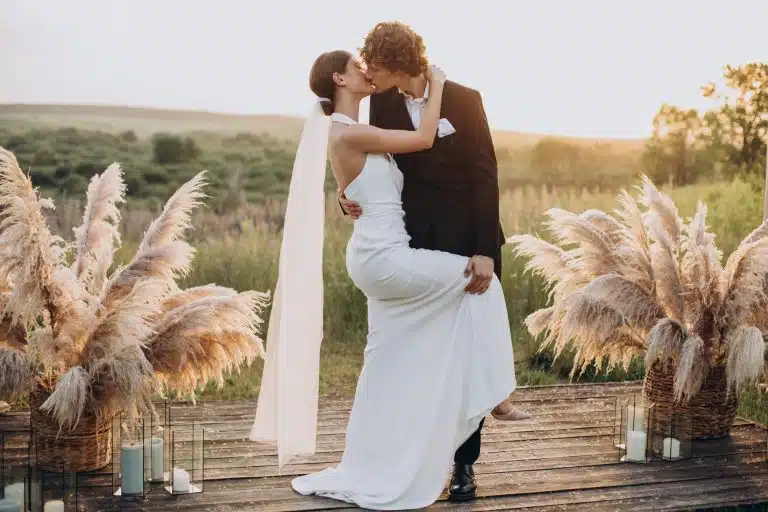
Wedding Ideas: Trends and Tips for a Perfect Wedding
Organizing a wedding today means choosing among endless possibilities without losing sight of what really matters: telling your […]
Read more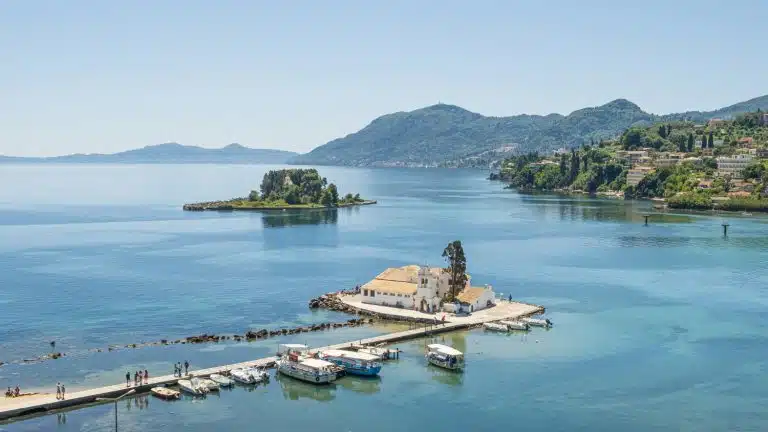 Tips
Tips
Getting married on Lake Garda: the perfect wedding between water and mountains
Between luminous shores, stone villages, and mountain profiles that change color with the sun, getting married on Lake Garda […]
Read more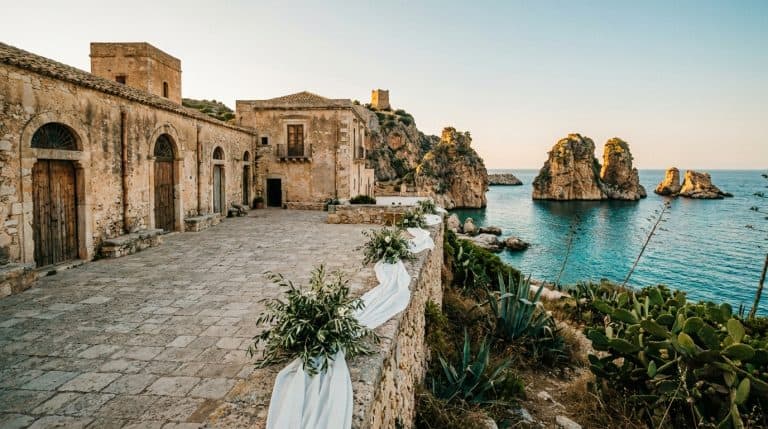 Tips
Tips
Getting married at the Tonnara di Scopello - History and Charm of a Unique Location
Tonnara di Scopello: a wedding venue between history, sea, and stone Choosing to get married at the Tonnara di Scopello means […]
Read more