
Wedding Planner - Why it is the Right Choice for the Perfect Wedding
Wedding planner: why it’s the right choice for a perfect wedding
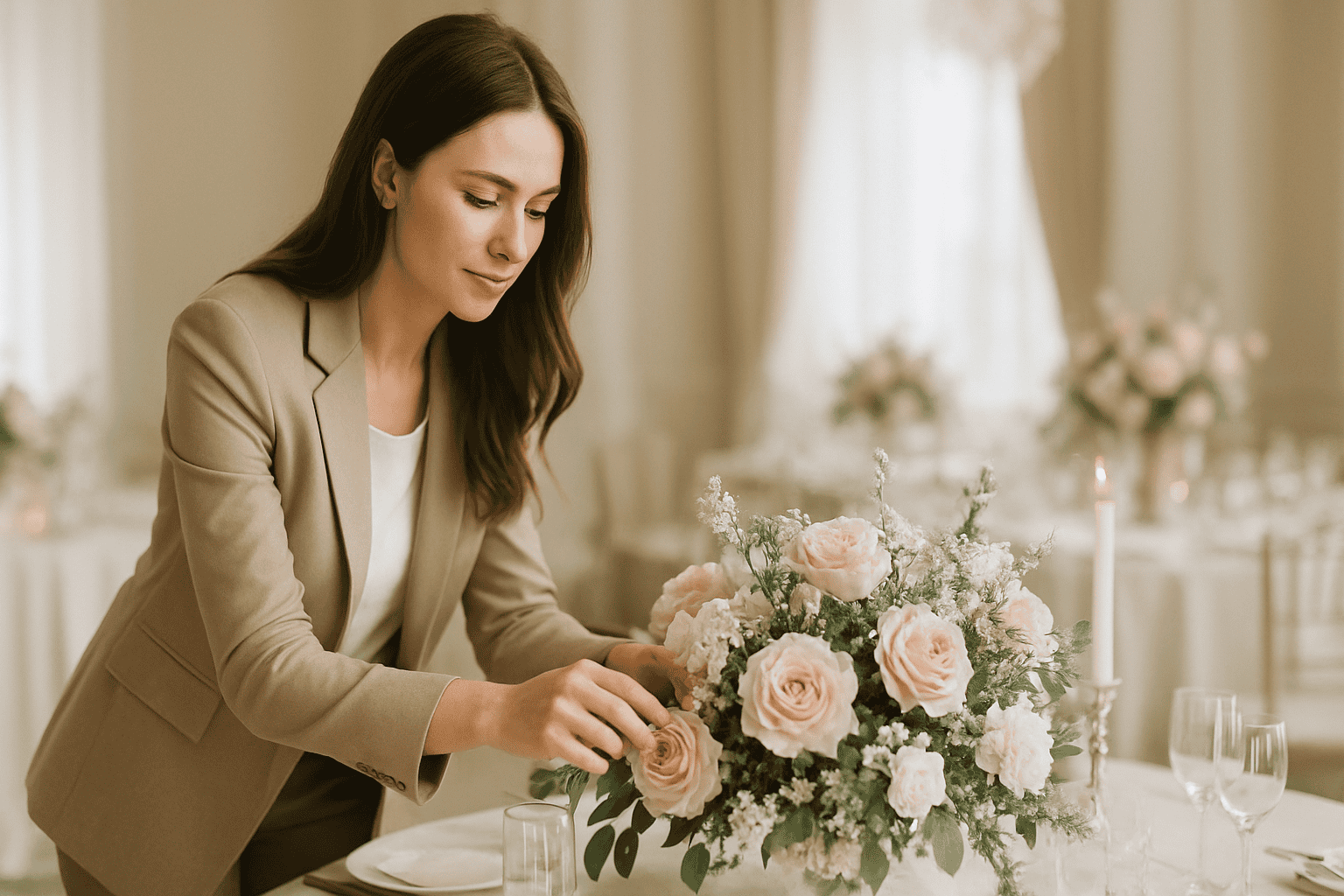
Organizing a wedding is a complex project: exciting, yes, but also full of details that intertwine with each other. Venue, vendors, style, timing, unexpected issues, family expectations, a budget to stick to (without turning every choice into an exhausting negotiation). In this scenario, the role of the wedding planner is not a “luxury”, but a strategic ally: they coordinate, simplify, protect the couple’s vision and make the experience more serene.
A wedding planning professional works on two levels: on the one hand they manage the operational side (deadlines, contacts, logistics), on the other they take care of the creative side (aesthetic coherence, atmosphere, event storytelling). The result is not just a “beautiful” wedding: it’s a wedding harmonious, smooth and truly yours.
What a wedding planner (really) does during the wedding planning process
The most common question is: “Ok, but concretely what do they do?”. The answer is: much more than you might imagine. A wedding planner doesn’t just propose ideas: they build a path, bring order, anticipate critical issues and guide decisions without replacing the couple.
Project definition: style, priorities and vision
Every couple starts from different desires and constraints. The wedding planner helps turn inspirations and tastes into a clear concept, defining priorities (what really matters) and guidelines (what to avoid). In this phase you work on:
- mood and style (romantic, minimal, classic, contemporary, destination, etc.);
- color palette and materials;
- tone of the event: intimate, festive, formal, informal;
- coherence between ceremony, reception and details.
If you already have a clear idea, the wedding planner strengthens it and makes it feasible; if you’re undecided, they help you choose without stress.
Selecting and coordinating vendors
One of the most concrete advantages is vendor management: research, contacts, comparing proposals and coordination. The wedding planner creates an ecosystem in which every professional works in the same direction, avoiding overlaps and misunderstandings.
To learn more about how to build a reliable team, you can consult this guide to wedding vendors.
Timeline, logistics and direction on the wedding day
The real difference shows in the direction: schedules, travel, setups, entrances, key moments, managing the timing of service and guests. The wedding planner prepares a realistic timeline and ensures it’s followed discreetly, leaving the couple the most important task: live the day.
If you’re interested in understanding how to structure an effective run-of-show, take a look at this in-depth page on the wedding timeline.
Stress-free wedding planning: the real benefits for the couple
The point isn’t “delegating everything”, but delegate what weighs you down. A wedding planner reduces decision fatigue, simplifies communication, and helps maintain an overall view. Here are the benefits most perceived by couples.
Less confusion, more clear decisions
When there are too many options, choosing becomes difficult. A wedding planner filters, proposes consistent alternatives, and guides you methodically. The result is a more streamlined process, with well-founded decisions and fewer second thoughts.
Handling unexpected issues promptly
A wedding is a live event: something can change at the last minute. The difference lies in how you react. A wedding planner is used to working with plan Bs and quick solutions, so unexpected issues remain behind the scenes, without ruining the atmosphere.
Protecting the couple’s time (and energy)
Between work, family, and everyday life, planning a wedding can become a second job. The wedding planner takes on part of the operational load: emails, follow-ups, confirmations, checklists, coordination. You remain at the center, but without being overwhelmed.
Wedding planner and wedding style: how to create a cohesive event
Cohesion is what makes a wedding feel “well curated.” It doesn’t mean rigid uniformity: it means every element speaks the same language. The wedding planner works to avoid the collage effect (beautiful ideas, but disconnected) and builds a visual and emotional narrative.
From concept to setups: a common thread you can see
Setups, flowers, lights, stationery, mise en place: every choice should support the concept. The wedding planner translates the style into practical directions for vendors, so the final result is harmonious.
If you want to explore inspirations and ideas for the details, you can read this collection of ideas for wedding setups.
Guest experience: welcome, comfort, and pacing
A successful wedding isn’t just “beautiful to photograph”: it’s enjoyable to experience. The wedding planner also thinks about:
- movement flows (arrivals, transfers, standing/seated moments);
- signage and useful information;
- comfort (spaces, shade, blankets, dedicated corners) based on the season;
- the rhythm of the day, to avoid downtime or moments that are too compressed.
Small touches make a big difference in the overall perception of the event.
Wedding coordination on the day of the event: why it makes the difference
Many couples think: “The witnesses will handle it” or “The venue manages everything.” In reality, directing the wedding day requires someone who has a complete overview and who isn’t emotionally involved like friends and relatives.
Professional coordination is used to:
- make sure setups and deliveries are correct;
- manage ceremony and reception timings smoothly;
- coordinate vendors with each other (music, photo/video, catering, flowers, transport);
- resolve discrepancies without involving the couple;
- keep the atmosphere calm, even when something changes.
In practice: you enjoy the day, someone takes care of the “machine” that makes it possible.
How to choose the right wedding planner: practical criteria and useful questions
There is no “best wedding planner overall”: there is the one that’s right for you. The choice is a mix of expertise, method, and rapport. Here are some concrete criteria to guide you.
Working method and communication
Ask how the project is managed: tools, frequency of updates, ways of comparing notes. A serious professional will make you feel order and clarity from the very first contact.
Portfolio and consistency with your style
Looking at previous work helps, but not to “copy”: it’s to understand aesthetic sensibility and organizational ability. If a detail isn’t clear (for example what is included in a specific service), check the product sheet or in the service presentation.
Ability to mediate with family and vendors
The wedding planner often becomes a balancing point between the couple’s wishes and external expectations. Evaluate listening skills and gentle firmness: they are decisive qualities to avoid tension and misunderstandings.
Questions to ask at the first meeting
- How do you manage the timeline and the key moments of the day?
- How do you propose vendors and alternatives?
- How do you handle unexpected issues during the event?
- Who will be present on the wedding day and in what role?
- What is your approach to maintaining style consistency?
If you want support to prepare for the first meeting, you can consult this page with tips for choosing the wedding planner.
Wedding planner and personalization: a wedding that speaks about you
The most common risk, when organizing a wedding by following only trends and online inspiration, is losing authenticity. A wedding planner helps you do the opposite: start from your story and turn it into concrete details, without forcing anything.
Personalization can emerge in many ways:
- symbolic rituals during the ceremony;
- music choices with real meaning;
- themed corners linked to shared passions;
- a color palette that evokes a place or a memory;
- a table setting that reflects your taste, not “what’s in”.
The wedding planner gives shape to these ideas and integrates them into the project, maintaining a balance between emotion and functionality.
Useful links for wedding inspiration and planning
When you build a wedding, having organized references helps you choose better and faster. If you’re collecting ideas or want to explore certain aspects further, here are some internal resources:
When it really makes sense to rely on a wedding planner
Every couple has different needs, but there are situations in which the support of a wedding planner becomes particularly useful. For example:
- if you have little time to manage contacts and deadlines;
- if you want a wedding with great attention to detail and consistent in style;
- if you are organizing remotely (destination wedding or different city);
- if you’re expecting many guests and complex logistics;
- if you want to experience the preparations without every choice becoming a source of stress.
In all these cases, the main value is not “doing more”, but doing betterwith direction that brings together aesthetics, timing, and people.
CTA: start planning your wedding with ChiaraB Events
If you want a wedding that is refined, consistent, and organized methodically, explore the proposals and services by ChiaraB Events: you’ll find inspiration and solutions designed to accompany you at every stage, from the initial vision to the direction of the big day.
FAQ
What is the difference between a wedding planner and a wedding coordinator?
In general, the wedding planner follows the entire planning process (concept, vendors, timeline, and project management), while the coordinator focuses mainly on directing and operational coordination on the day of the event. To understand what is included in a specific service, check the product page.
Does the wedding planner decide everything instead of the couple?
No: their role is to guide and simplify. They propose coherent solutions, manage the details, and coordinate suppliers, but the final choices remain with the couple.
When is the best time to contact a wedding planner?
As soon as possible, especially if you want guidance in defining the style and selecting suppliers. Even once the organization is underway, however, it can be useful to put things back in order and set an effective timeline.
Can a wedding planner help even if I have already chosen the venue and suppliers?
Yes. They can handle coordination, timeline review, setup consistency, and wedding day management, integrating what you have already defined.
How do I know if a wedding planner is right for my style?
Evaluate the portfolio, aesthetic sensibility and above all the working method: clarity, listening and the ability to translate your ideas into a coherent project. During the first meeting, ask how they handle communication, unforeseen events and the direction of the day.
From the blog
 Wedding
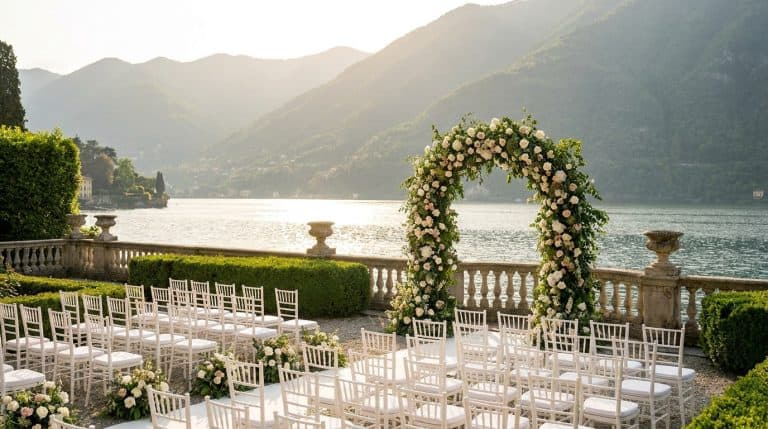
Dream Wedding on Lake Como - The Most Exclusive Locations
A wedding on Lake Como is an idea that combines iconic scenery, top-level hospitality, and a naturally cinematic atmosphere. […]
Read more Tips
Tips
Wedding Ideas: Trends and Tips for a Perfect Wedding
Organizing a wedding today means choosing among endless possibilities without losing sight of what really matters: telling your […]
Read more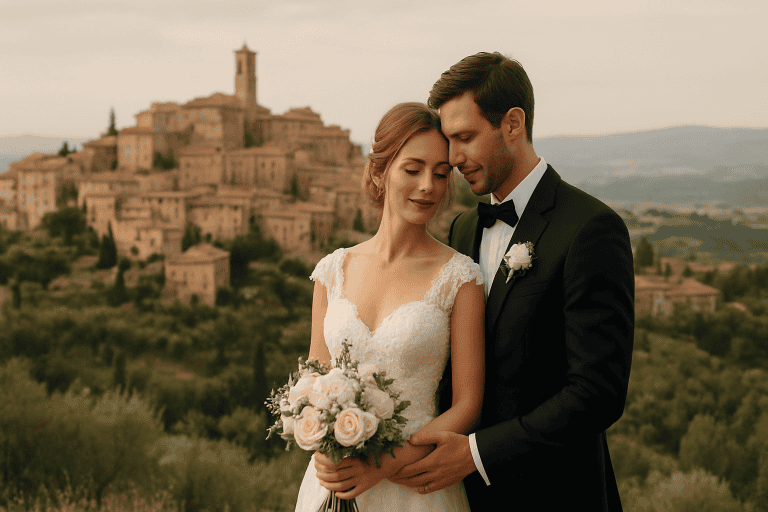 Wedding
Luxury Wedding in Montepulciano - History and Romantic Atmosphere
Luxury wedding in Montepulciano: Tuscan elegance between history and romantic atmosphere Montepulciano is one of those places that seem born […]
Read more