
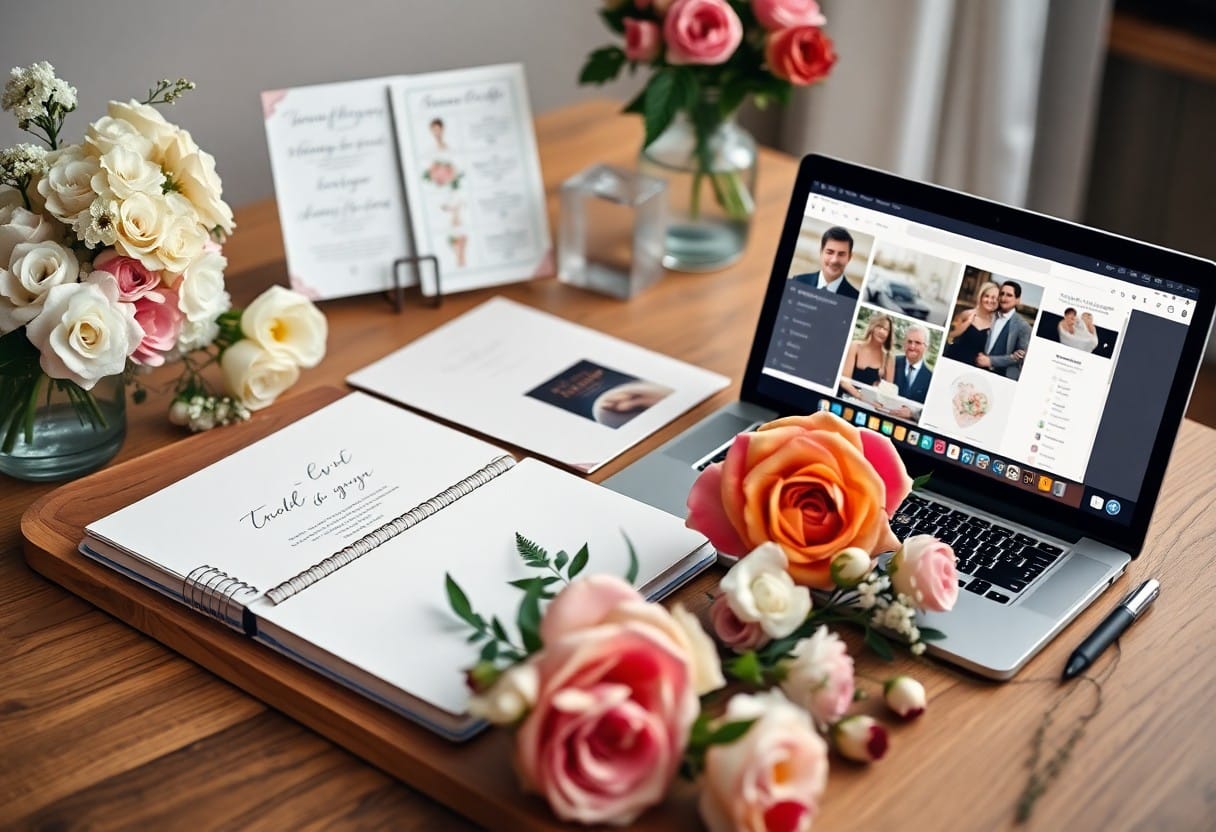
Wedding Planning: What to do to Avoid Stress and Common Mistakes
Planning a wedding is an exciting experience, but also a complex project: decisions to make, deadlines to meet, people to coordinate, and expectations (your own and others') to manage. The good news is that stress isn’t “mandatory”: with a clear method, a few practical tools, and the right priority given to the things that truly matter, you can avoid the most common mistakes and reach the big day with peace of mind.
In this guide you’ll find a practical path: from the initial vision to handling the unexpected, covering budget, timeline, guests, and communication. The goal is just one: to help you plan your wedding in an organized way, without losing the joy of the preparations.
Plan your wedding without stress: where to really start
The first step isn’t choosing the flowers or the theme: it’s defining a direction. When it’s missing, you end up chasing beautiful but disconnected ideas, and the result is feeling overwhelmed.
Define your “compass” (3 non-negotiable priorities)
Before opening a thousand tabs, take a moment to set three priorities that will guide every choice. Examples: an intimate atmosphere, memorable food, music and partying until late. They don’t have to be “perfect”; they have to be yours.
- Priority 1: what you want to remember in 10 years.
- Priority 2: what improves the guests’ experience.
- Priority 3: what makes you feel represented (style, ceremony, details).
Set a framework: tentative date, style, and number of guests
To reduce uncertainty, you need an initial framework: a tentative date (even just “spring/summer”), an idea of style (classic, contemporary, romantic, minimal...) and a guest count range. It’s not a cage: it’s a base to avoid choices that are incompatible with each other.
If you’re gathering inspiration, you can do it in an organized way by creating a shared folder with images and notes. Alternatively, you can compare ideas and checklists in a dedicated section like wedding inspiration and advice.
Wedding checklist: the timeline that keeps you from last-minute rushing
Many mistakes come from a “gut-feel” timeline. A well-built checklist, instead, lets you spread decisions over time and understand what can wait and what can’t.
Activities to plan by phases (without fixating on months)
Every wedding has different timing. More than thinking only in months, it works to think in phases:
- Phase 1 – Setup: vision, budget, guest list, choosing the venue and date.
- Phase 2 – Project: main vendors, style, palette, structure of the day.
- Phase 3 – Details: setups, graphic suite, schedule, guest logistics.
- Phase 4 – Final touches: confirmations, trials, plan B, emergency kit, final communications.
The “one decision a day” method to avoid overwhelming yourself
When there are too many choices, the mind goes into overload. A simple trick: one decision a day (or every other day). The rest of the time you devote to gathering information, making comparisons, and letting things settle. This way you avoid impulsive decisions and second-guessing.
Practical tools: shared file, voice notes, calendar
You don’t need a complicated system: it just needs to be shared and up to date. You can use:
- a route with shelters shared file with budget, contacts, and deadlines;
- a route with shelters calendar with reminders (also for vendor follow-ups);
- a single note with “questions to ask” at every appointment.
If you want an already structured starting point, take a look at wedding checklist and planning.
Wedding budget: how to manage it without anxiety and without unnecessary sacrifices
The budget isn’t a brake: it’s an ally. When it’s clear, it helps you choose better and protects you from “surprise” expenses. The goal isn’t just to spend less, but to spend with intention.
Split into three blocks: essential, desirable, extra
An effective approach is to separate the items into three categories:
- Essential: what makes the day possible (venue, catering, photo/video, music…).
- Desirable: what enhances the experience (more refined setups, entertainment, corners…).
- Extra: “nice to have” details you can add only if there’s room left.
This framework reduces the feeling of “all or nothing” and helps you make choices consistent with your priorities.
The contingency fund: peace of mind you can’t see (but you can feel)
Unexpected issues aren’t bad luck: they’re part of the project. Having a dedicated margin allows you to handle schedule changes, additions, or logistical needs without panic. Even just knowing there’s a “buffer” lowers stress.
Avoid the most common mistake: deciding by comparison, not by objective
Comparing is useful, but it can become a trap. If you choose only because “everyone does it” or because “online it seems essential,” you risk piling up expenses that don’t really improve your day. Go back to the initial compass: does this choice serve our priorities?
Choosing the venue and suppliers: how to avoid misunderstandings and second thoughts
Most stress comes from misaligned expectations. That’s why, before signing or confirming, you need clarity: on what’s included, on timelines, and on roles.
Key questions to ask before confirming
Always bring a list of questions with you. Some useful examples:
- What are the setup and teardown times?
- Who is the point of contact on the day of the event?
- What are the alternatives in case of uncertain weather?
- What logistical constraints should I consider (access, parking, spaces)?
For specific details on services or accessories, check the product sheet or in the documentation provided by the supplier.
Clear brief: one page that saves you from a thousand messages
Prepare a concise brief (even just one page) with: style, palette, schedule, number of guests, spaces, wishes and absolute “no’s”. Sharing it with vendors reduces misunderstandings and saves you from repeating the same information in chat.
Consistency between aesthetics and logistics: the reality check
An idea can be beautiful but impractical. Before you fall in love with a setup, ask yourself: is it compatible with the spaces? with the timing? with the weather? with the number of guests? This “reality check” prevents costly second thoughts in terms of energy.
Guest management: RSVPs, tables and communication without drama
Guests are the heart of the party, but also one of the main sources of stress. The key is to turn guest management into a system: clear, trackable and kind.
RSVP: make it easy (for them) and organized (for you)
Define a single channel for confirmations (message, email or form). The important thing is that it’s only one, so you don’t lose information across different chats. In the shared file, create essential columns: yes/no confirmation, dietary requirements, logistical notes.
If you want to set up elegant and consistent communication, you can find inspiration in ideas for invitations and coordinated stationery.
Seating chart and assigned seats: the method that reduces second thoughts
The seating chart becomes a problem when you tackle it too early or too late. The most stable method:
- create “natural” groups (families, longtime friends, colleagues);
- define the “anchor” tables (the more delicate ones);
- fill the others flexibly, leaving a small margin for changes.
A practical tip: avoid promising specific seats too far in advance. Confirmations change and you risk having to manage unnecessary expectations.
How to say “no” kindly (and protect your day)
Between requests for extra invites, unsolicited opinions and family pressure, you need a ready-made line. Examples:
- “We want an intimate celebration, so we’re keeping the list as it is.”
- “We’ve already set the schedule, we’d rather not add changes.”
- “Thanks for the suggestion, we’ll keep it in mind: we’re following a specific direction.”
Being clear doesn’t mean being rigid: it means protecting the experience you’ve imagined.
Wedding timeline: ceremony, reception and timing that works
A well-thought-out timeline doesn’t make the day “military”: it makes it flow. And when timing is clear, everyone works better: you, the guests and the vendors.
Design the day like a journey (not like a list)
Imagine the day from the guests' point of view: arrival, waiting, ceremony, travel, social moments, dinner, party. Include breathing spaces between one moment and the next: they are what prevent cascading delays.
Key moments to coordinate with photo/video and music
Some moments require coordination: entrance, exit, toasts, cake cutting, first dance, any speeches. Sharing a draft schedule with those handling photo/video and music helps avoid overlaps or “gaps”.
Plan B for weather and logistics: prepare it when you’re clear-headed
Plan B isn’t improvised the night before. Define credible alternatives for the ceremony, aperitif and photos. If there are specific elements (covers, accessories, technical details), check the product sheet or ask the supplier for confirmation.
To learn more about organizing the moments and managing the spaces, you can consult the guide to the schedule and direction of the event.
Details and setups: how to choose without getting overwhelmed
Details are wonderful, but they can become endless. The secret is to choose those that have a real impact on the atmosphere and the experience, letting go of the rest.
Palette, materials and visual consistency
A palette isn’t just “colors”: it’s the thread that ties together flowers, stationery, table setting and decorations. Choose 2–3 main colors and 1–2 neutrals. Then define recurring materials (glass, linen, wood, metal…) to give coherence without rigidity.
The “photo + feeling” criterion: choose what is perceived
When you’re undecided, use two questions:
- In photos, is this detail noticeable?
- In person, does it change the feel of the space?
If the answer is no to both, it’s probably an extra you can eliminate without regrets.
Smart delegations: what you can leave to others
You don’t have to control everything. You can delegate with peace of mind if you give clear instructions. Examples of useful delegations:
- handling small unexpected issues to a trusted person;
- collecting gifts and safeguarding personal items;
- coordinating travel between the ceremony and the reception.
Common mistakes in wedding planning (and how to avoid them)
Some mistakes happen often because they stem from enthusiasm and haste. Recognizing them in advance saves you energy and helps you stay in control of the project.
- Saying yes to everything: leads to a day full of “shoulds” and little authenticity.
- Putting off difficult decisions: they turn into emergencies and increase stress.
- Not centralizing information: scattered contacts, deadlines, and notes become chaos.
- Making continuous changes: every change requires time, communication, and realignment.
- Neglecting logistics: travel, parking, timing, and weather matter more than it seems.
The remedy is simple: method, clarity, and communication. You don’t need to be perfect, you need to be organized.
Useful links to organize your wedding with more peace of mind
If you want to explore certain aspects in more depth and build an even more solid plan, here are some internal resources that can help you bring order to ideas and priorities:
- How to choose your wedding style
- Complete checklist for preparations
- Tips for managing guests
- Ideas for setups and details
CTA: If you’re defining the style and want to make everything consistent (from the graphic suite to setup details), explore the ChiaraB Events selection: you’ll find inspiration and solutions designed to guide you step by step through wedding planning, with an elegant and harmonious result.
FAQ
How far in advance should you start planning the wedding?
It depends on the date, venue availability, and the complexity of the event. In general, it’s best to start as soon as you have a clear framework (time period, style, and number of guests) and proceed in phases, so as to avoid rushed decisions.
How can I organize my wedding without stress if I have little time?
Centralize everything in a single shared file, define three non-negotiable priorities, and adopt the “one decision a day” method. Delegating practical tasks to trusted people and keeping an up-to-date checklist greatly reduces the mental load.
What is the most common mistake in wedding planning?
Saying yes to too many things without a direction. Without clear priorities, details and changes pile up, increasing emotional costs and confusion. Returning to your “compass” helps you choose consistently.
How to manage guests and RSVPs without going crazy?
Choose a single channel for RSVPs and track responses in an organized way (confirmation, dietary requirements, notes). Communicate clear deadlines and prepare polite but firm replies for extra requests or last-minute changes.
How do you create a wedding timeline that really works?
Build it like a journey for guests, inserting breathing room between key moments. Share a draft with photos/videos and music and prepare a realistic weather plan B, checking operational details with suppliers.
How to choose furnishings and details without overdoing it?
Define recurring palettes and materials and select the details that truly change the atmosphere. Use the “photo + feeling” criterion: if an element isn’t noticeable and doesn’t improve the experience, it’s an extra you can do without.
From the blog
 Tips
Tips
Wedding Ideas: Trends and Tips for a Perfect Wedding
Organizing a wedding today means choosing among endless possibilities without losing sight of what really matters: telling your […]
Read more Tips
Tips
Getting married on Lake Garda: the perfect wedding between water and mountains
Between luminous shores, stone villages, and mountain profiles that change color with the sun, getting married on Lake Garda […]
Read more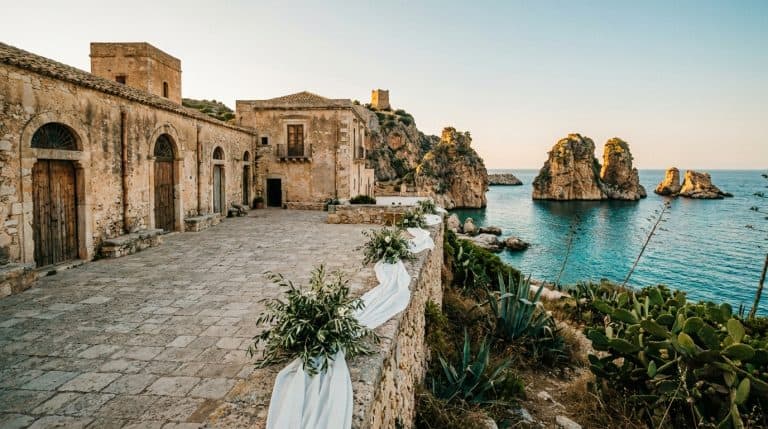 Tips
Tips
Getting married at the Tonnara di Scopello - History and Charm of a Unique Location
Tonnara di Scopello: a wedding venue between history, sea, and stone Choosing to get married at the Tonnara di Scopello means […]
Read more