

Wedding Quotes: How to Plan Your Budget for a Dream Wedding
Requesting and comparing wedding quotes doesn’t just mean “doing the math”: it’s the most concrete way to turn an idea into a feasible plan, avoiding surprises and rushed decisions. A well-planned budget helps you choose clearly, understand where it’s worth investing and where you can simplify without giving up the atmosphere you want.
In this guide you’ll find a practical method to set up your budget, read quotes with a critical eye, and coordinate choices consistently. If you’re just starting out, it will also help you understand what information to ask for and how to present your needs to suppliers.
Wedding quotes: where to start to plan the budget
Before requesting quotes, you need a foundation: priorities, style, and the event scope. Without these three elements, quotes risk being hard to compare and constantly changing.
Define the style (and make it “measurable”)
“Elegant wedding” or “romantic wedding” are useful indications, but generic. Try translating them into observable choices: color palette, mood (minimal or theatrical), type of setup, presence of special elements (corners, scenography, entertainment). The clearer you are, the more suppliers can propose coherent solutions.
Decide what is non-negotiable and what is optional
Make a two-column list:
- Must-have: what you don’t want to negotiate (e.g., a certain atmosphere, a type of guest experience, a precise timeline).
- Nice-to-have: what you’d like, but can be adapted or postponed.
This distinction is essential when the quotes arrive: it allows you to make smart adjustments without turning the project upside down.
Align expectations and budget with whoever is deciding with you
If the budget is shared with a partner or family, clarify in advance who approves what and what the spending limits are for the main items. It’s not an “organizational” detail: it’s what prevents second thoughts and continuous revisions of quotes.
How to request wedding quotes that are truly comparable
Many couples receive “non-comparable” quotes because each supplier interprets the request differently. The result is confusion: you don’t know whether a proposal is higher because it includes more services or because it’s off target. To avoid this, prepare a standard request, brief but complete.
The information to include in the request
- Date and time slot (even indicative, if not final).
- Location (or geographic area) and essential logistics (access, indoor/outdoor spaces).
- Number of guests estimated and type (many children, international guests, special needs).
- Style and objective of the event (mood, level of formality, atmosphere).
- Services requested and what you want to be included (e.g., design, setup, coordination).
- Timelines: when you would like initial feedback and when you will make the decision.
If you already have a visual idea, you can attach a mini moodboard or a few reference images. The important thing is that they are consistent with each other, not a random collection.
Ask explicitly what is included and what is excluded
A well-made quote should distinguish between included services e extra. If it’s not clear, ask for a more detailed version. It’s not nitpicking: it’s the only way to understand what you’re really buying.
Useful questions to ask (without creating conflict)
- What are the variables that can change the quote?
- Are there alternatives to achieve the same effect with a different setup?
- What are the times confirmation and delivery times?
- Will there be a point of contact on the day of the event?
If a supplier has a service sheet or a dedicated page, check in the product sheet or information page which details are already specified, so you avoid redundant requests.
Wedding expenses: how to organize the budget by categories
To plan well, a total isn’t enough: you need a structure. Dividing the budget into categories helps you understand where you’re investing and how to intervene if you need to rebalance.
Main areas to consider in the wedding budget
- Location and hospitality: venue, any related services, management of the spaces.
- Reception: dining experience, timing, special moments.
- Setups and design: flowers, table setting, lighting, scenic details.
- Photos and videos: story of the day, service style, deliveries.
- Music and entertainment: ceremony, aperitif, party, key moments.
- Look and beauty: outfits, accessories, preparation.
- Coordination and direction: vendor management, timeline, unforeseen events.
- Invitations and communication: invitations, wedding website, RSVP management.
- Transport and logistics: travel, welcome, any shuttles.
Not all items carry the same weight for every couple: the key is consistency. A minimalist wedding can invest more in a memorable culinary experience; a scenic one can focus resources on design and lighting.
The practical rule: a “living” budget and scheduled reviews
Treat the budget as a document that evolves. Set review moments (for example after receiving the first quotes, after the site visit at the venue, after defining the timeline). This way changes become controlled and not impulsive reactions.
How to read a wedding quote: details that make the difference
Two quotes may seem similar, but have important differences. Learn to read them as a “map” of the service: what it includes, how it is delivered, what the conditions are.
Structure and clarity: a sign of reliability
A clear quote usually contains:
- Description of activities and phases (before, during, after the event).
- List of what is included and what is excluded.
- Terms for changes, confirmation, and cancellation.
- Operational timelines (site visits, calls, deliveries).
If this information is missing, ask for additions. A serious professional prefers to clarify right away rather than deal with misunderstandings later.
Watch out for “generic” items
Terms like “complete setup” or “standard service” can mean different things. Ask for concrete examples: what is provided, in what quantity, and with what level of customization. If a descriptive sheet exists, check the included contents in the product sheet.
Consistency with your timeline
A quote can be excellent, but not suitable for your timing. Check that:
- the design phases are compatible with the date;
- there is availability for site inspections and tests (if planned);
- the presence on the day of the event is clear (times, people involved).
Strategies to optimize the budget without giving up the “wow” effect
Optimizing doesn’t mean cutting at random: it means redistributing. The goal is to keep the perception of quality high in the moments that truly matter to you and to your guests.
Work with “focal points”
Instead of spreading the same level of detail everywhere, choose 2–3 key areas (for example: ceremony, imperial table, party area). By concentrating creativity there, the event looks more curated and recognizable.
Simplify where the guest notices less
There are elements that absorb energy and budget but have less impact. Consider whether you can:
- reduce the variety of materials and colors, keeping a consistent palette;
- choose modular or reusable solutions between ceremony and reception;
- focus on a few quality details instead of many average details.
Design the experience, not just the aesthetics
The “wow” isn’t just scenery: it’s pacing, comfort, well-placed surprises. A smooth timeline, a well-crafted welcome, and well-orchestrated moments often are worth more than an excess of decorative elements.
Wedding budget and unexpected issues: how to manage margins and priorities
Unexpected issues are not a sign of poor organization: they are a natural part of a complex event. The difference is how you handle them.
Create a margin for maneuver
Set aside a portion of the budget dedicated to last-minute adjustments and needs: weather changes, logistical needs, additions required by the venue or the timeline. No need to dramatize: you need to plan for it.
Define intervention priorities
If you need to rebalance, intervene in this order:
- , not as a corner “that will somehow manage on its own”. In practice: on the items that don’t impact the guests’ experience.
- Then on what can be simplified without changing the style.
- Lastly on what defines the identity of the wedding (your must-haves).
When to involve a wedding planner for wedding quotes
A wedding planner isn’t useful only “to do everything in your place”. They can be strategic support precisely during the quote phase: they help translate desires into a coherent plan and avoid choices that seem convenient but become complex to manage.
Signs you’d benefit from professional support
- You have many vendors to coordinate and little time to manage calls and site visits.
- You want a very polished result and fear inconsistencies between setups, lighting, and spaces.
- You’re receiving very different quotes and don’t understand what you’re comparing.
- You have guests with specific needs (transportation, welcome, timing).
What changes in quotes when there’s a single direction
With a central direction, quotes tend to become more straightforward because:
- requests are more precise and complete;
- overlaps between vendors are reduced;
- logistical criticalities that would otherwise emerge late are anticipated.
Useful links to organize wedding quotes and budget
To dive deeper and build a simpler planning path, you can also consult these resources:
- Complete wedding planning checklist
- How to choose the venue based on the event style
- Ideas and inspiration for setups and decorations
- Guide to the wedding day timeline
- Practical tips for managing vendors and communications
Frequently asked questions that come up when you compare quotes
When you start receiving proposals, it’s normal to have recurring doubts: what to ask, how to negotiate, how to understand whether an item is really necessary. In the FAQs below you’ll find concise answers to unblock decisions and clarify the most common steps.
Do you want support to plan the budget and choose the right vendors?
If you want clear direction and a method to compare quotes without stress, explore the services and proposals by ChiaraB Events: you will find an approach focused on project consistency, priority management, and a truly tailor-made experience.
FAQ
How do I compare wedding quotes that are very different from each other?
Make requests comparable: send everyone the same data (date, location, number of guests, style, requested services) and ask for an “included/excluded” section. If an item is generic, ask for the operational details and check the product sheet or the information page for any specifications already indicated.
What should I ask a supplier before accepting a quote?
Ask what is included, what is excluded, which variables can change the proposal, the processing timelines, and who will be the point of contact on the day of the event. It is also useful to understand how last-minute changes are handled and what information is needed to finalize the proposal.
Is it better to define the budget first or choose the wedding style first?
It’s effective to develop them together: define an overall style and the priorities (must-have and nice-to-have), then use the first quotes to calibrate the budget realistically. If you start only from the budget without a direction, you risk inconsistent quotes; if you start only from the style without constraints, you risk continuous revisions.
How can I optimize the budget without making the wedding look “scaled down”?
Design around focal points: choose 2–3 standout areas and concentrate the visual or experiential impact there. Simplify where guests notice less (a more consistent palette, reusable elements across different moments, less variety but higher quality) and refine the timeline: pacing and comfort increase the perception of value.
When is it worth involving a wedding planner during the wedding quote phase?
It’s worth it when you have little time, many suppliers to coordinate, a complex aesthetic project, or quotes that are hard to interpret. A single point of coordination helps make requests more precise, reduce overlaps, and anticipate logistical issues, improving the quality of the proposals received.
From the blog
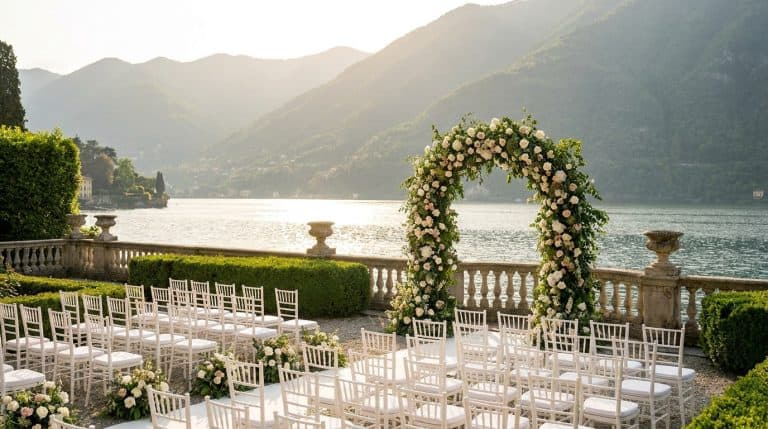 Wedding
Dream Wedding on Lake Como - The Most Exclusive Locations
A wedding on Lake Como is an idea that combines iconic scenery, top-level hospitality, and a naturally cinematic atmosphere. […]
Read more Tips
Tips
Wedding Ideas: Trends and Tips for a Perfect Wedding
Organizing a wedding today means choosing among endless possibilities without losing sight of what really matters: telling your […]
Read more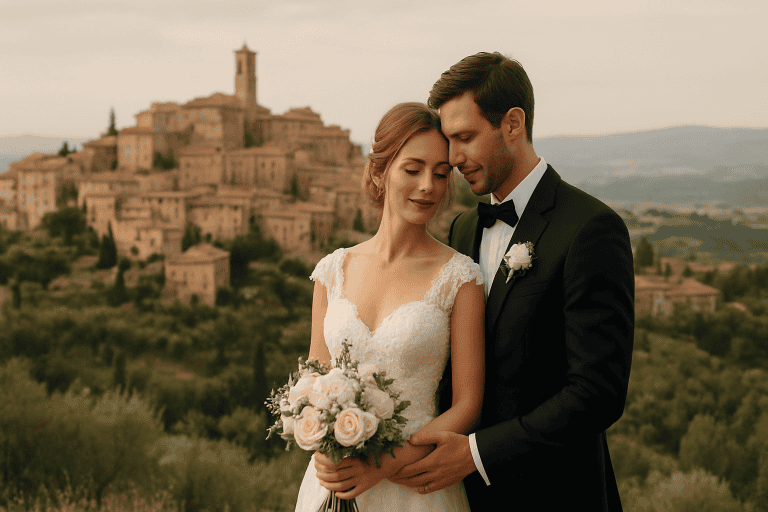 Wedding
Luxury Wedding in Montepulciano - History and Romantic Atmosphere
Luxury wedding in Montepulciano: Tuscan elegance between history and romantic atmosphere Montepulciano is one of those places that seem born […]
Read more